The television market floods consumers with hundreds of new models each year, turning any purchase decision into a high-stakes guessing game. September 2026 creates a brief window where advanced display technology hits accessible price points before manufacturers roll out next year’s lineup. Anyone who has stared blankly at a wall of TVs, trying to decode acronyms like QLED or OLED, knows the frustration. Out of hundreds of contenders, six televisions survived brutal real-world testing and represent the clearest path to avoiding buyer’s remorse.
This content may contain affiliate links. If you wish to support us and use these links to buy something, we may earn a commission.
6. TCL 4 Series Google TV
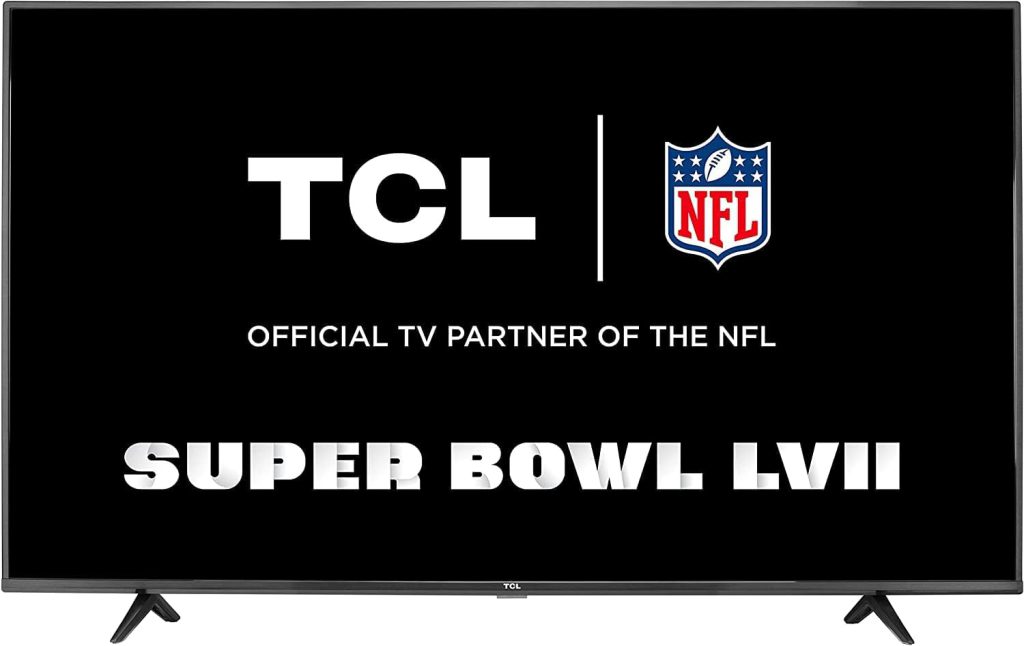
Budget televisions finally deliver smooth smart platform performance.
Budget televisions earned their reputation for sluggish smart experiences. The TCL 4 Series Google TV breaks that pattern. Available in sizes from 43″ to 85″, this lineup distinguishes itself with the integrated Google TV platform. The interface stays consistently updated, fast, and remarkably clean—a digital concierge for content, not some forgotten proprietary system. Anyone who has wrestled with unresponsive smart TV menus understands the relief of a system that performs without constant digital lag.
This television utilizes a basic panel with average peak brightness and essentially absent local dimming. Deep blacks and dazzling HDR pop remain out of reach. For a secondary screen in a guest room, kitchen, bedroom, or first apartment, it functions as a dependable workhorse. Aggressive September pricing makes it a straightforward choice for reliable streaming display needs. The 4 Series Google TV stands as one of few entry-level models recommended without caveats regarding its smart platform.
5. Hisense U6N
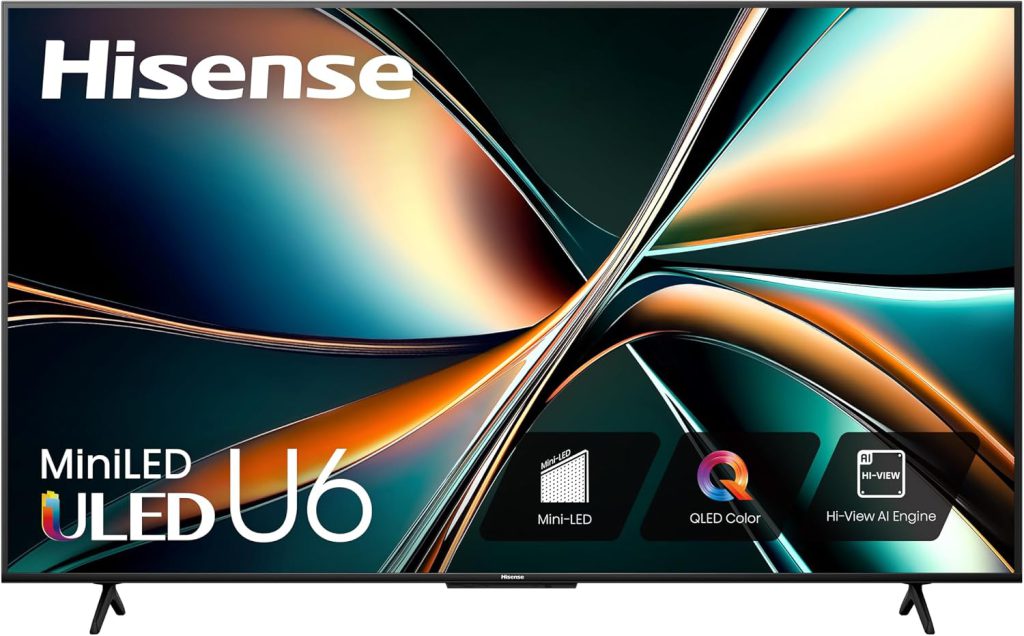
Premium Mini-LED technology arrives at entry-level pricing.
Mini-LED technology demanded upwards of $1,200 just three years ago. The Hisense U6N brings authentic local dimming zones to living rooms for around $500. For anyone upgrading from an old, basic LED panel, the visual jump resembles ditching outdated tech for current flagship performance. Google TV, Dolby Vision, and HDR10+ support arrive alongside peak brightness around 600 nits.
The U6N might not boast the zone count of pricier siblings, occasionally leading to visible blooming in extreme high-contrast scenes. Upscaling is competent but not exceptional. Overall picture quality still dramatically outperforms other options near its price point, offering a compelling blend of advanced features. First-time upgraders seeking significant visual improvement without emptying their wallets find genuine value here.
4. Hisense U8N
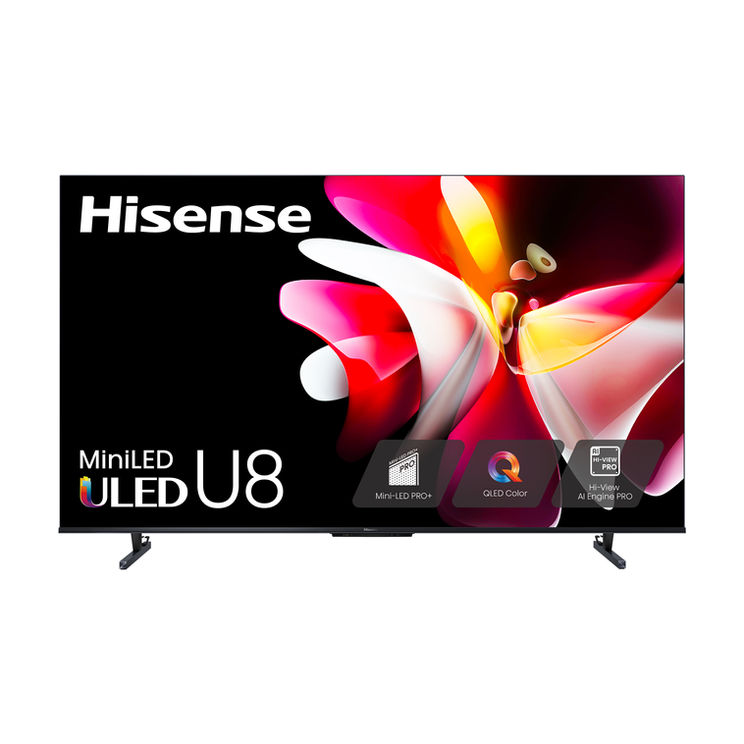
Professional-grade performance at mid-tier pricing.
Professional reviewers consistently place this panel in the same performance tier as televisions costing $300 to $500 more. This Mini-LED ULED 4K Google TV packs over 1,000 local dimming zones. Contrast punches like a heavyweight, with peak brightness rivaling premium models. QLED Quantum Dot color ensures vibrant, accurate visuals.
Full HDMI 2.1 connectivity, 144 Hz 4K gaming, Dolby Vision, IMAX Enhanced, and Anti-Glare Low Reflection technology arrive standard. The integrated 50W 2.1.2 audio system offers decent sound. For top-tier picture quality and gaming prowess under $1,000, this television represents exceptional value that friends will question.
3. LG C5 OLED
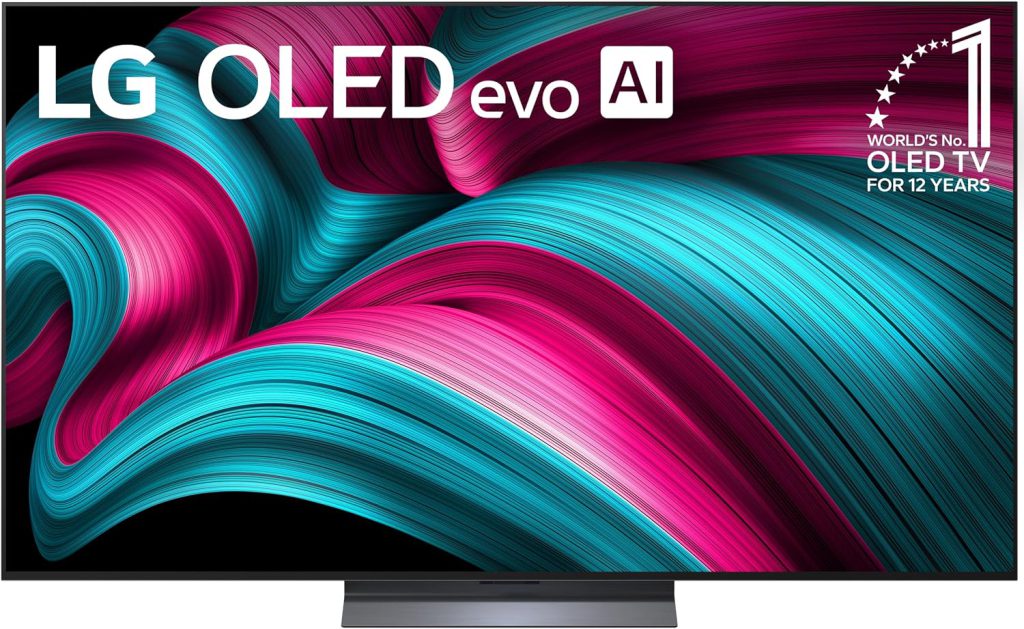
Self-emissive pixels deliver infinite contrast for home theater and gaming.
Every pixel on an OLED television generates its own light, a core distinction from Mini-LEDs relying on backlights. This self-emissive capability allows individual pixels to switch off entirely, producing true black with zero light emission and infinite contrast ratio. The LG Evo panel pushes peak brightness toward 1,000 nits, providing visual depth that transforms viewing experiences.
For gamers, the LG C5 OLED delivers 4K at 120 Hz with Variable Refresh Rate. Input lag in game mode drops to approximately 5 milliseconds, making competitive play smooth and responsive. Weeks later, details in dark movie scenes continue to impress without calibration. Powered by webOS, this panel’s unique pixel technology creates an image so immersive it feels three-dimensional rather than flat.
2. Samsung S95F QD-OLED
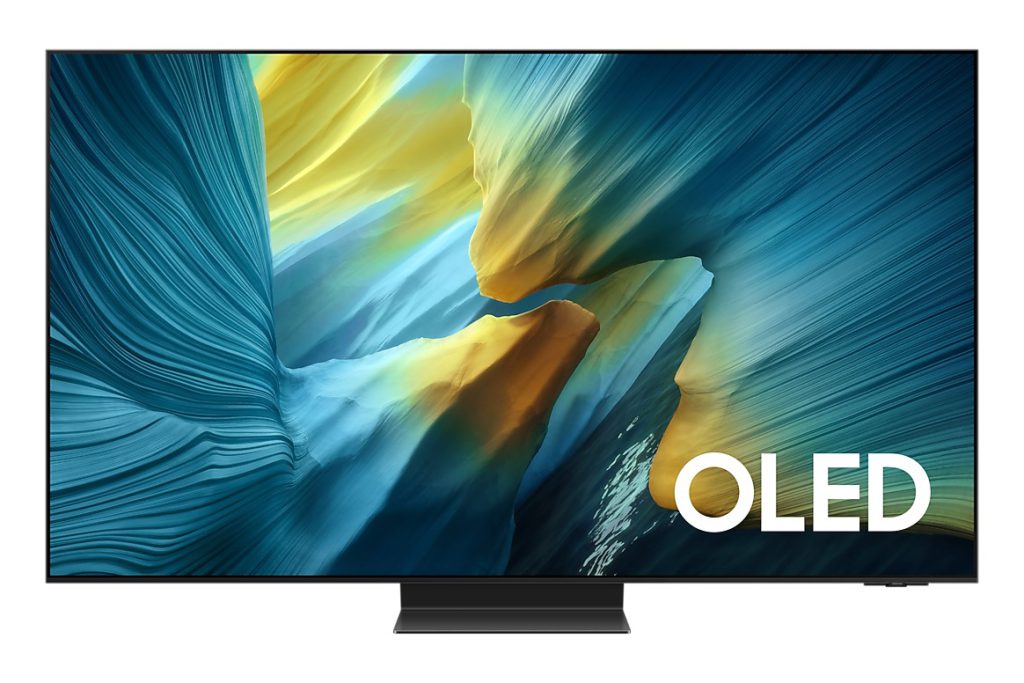
Quantum dot filters solve traditional OLED brightness limitations.
Traditional OLEDs struggle in bright rooms, making midday viewing frustrating. Samsung’s S95F QD-OLED directly addresses this, merging quantum dot color filters with an OLED base. Peak HDR brightness reaches approximately 2,000 nits, effectively doubling conventional OLED output. An anti-reflection coating ensures clear viewing even with strong ambient light.
Vibrant visuals remain intact on sunny afternoons where typical OLEDs fade. For gamers, the S95F supports up to 165 Hz refresh rates via full HDMI 2.1, powered by the NQ4 AI Gen3 processor. Samsung’s HDR10+ focus optimizes content dynamically for room conditions. Available in 55″, 65″, 77″, and 83″ sizes, this television performs exceptionally across all viewing scenarios.
1. Sony A95L QD-OLED
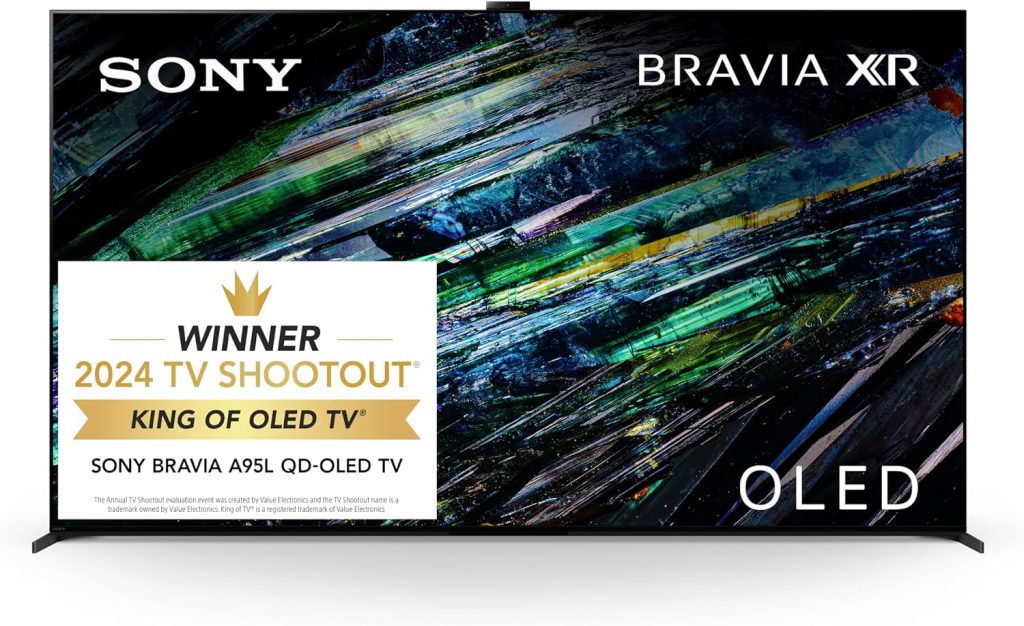
Cognitive processing delivers industry-leading color accuracy and motion handling.
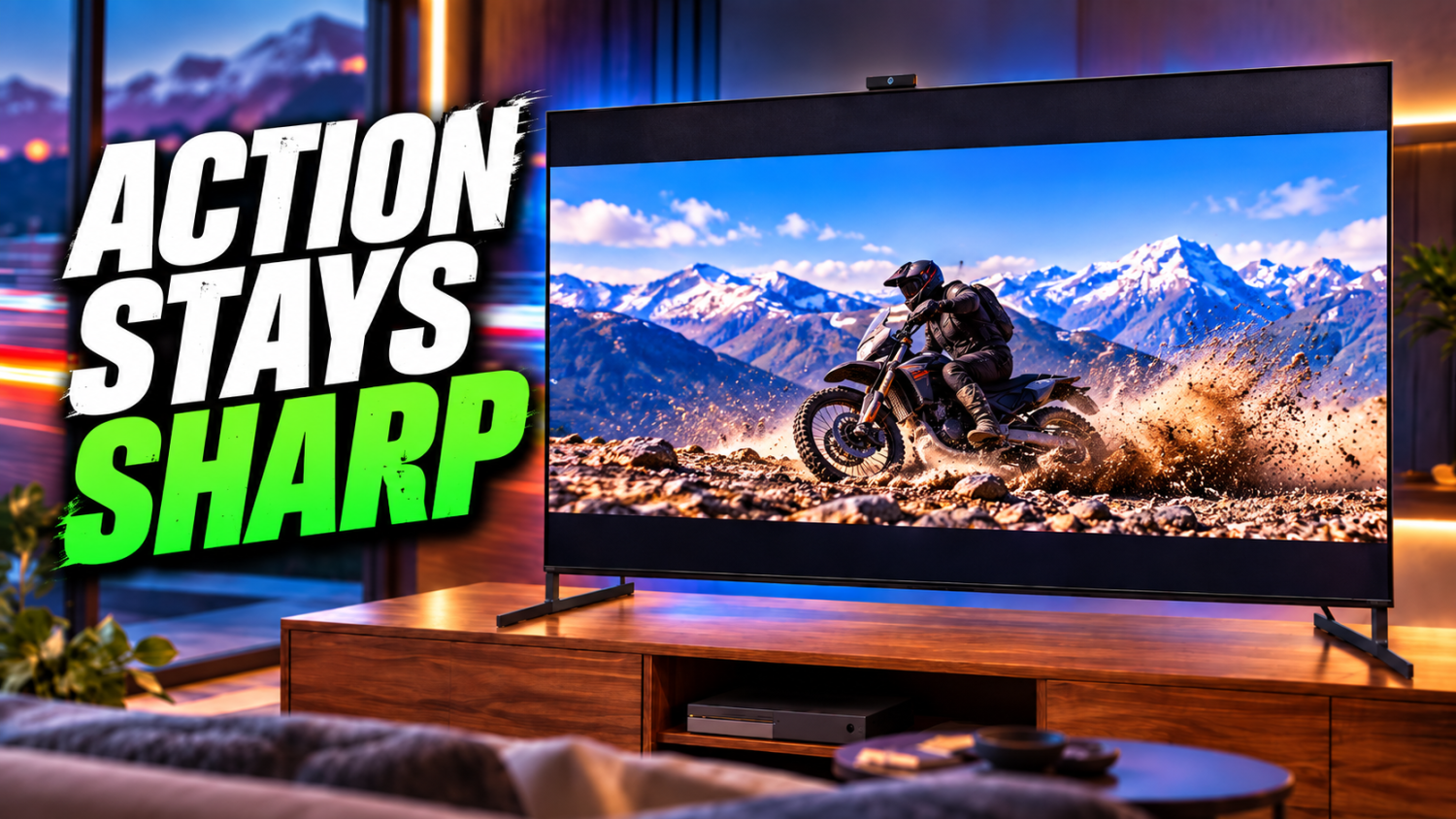
What separates good television performance from exceptional beyond raw specifications? Sony’s A95L QD-OLED offers a compelling answer. It blends Samsung’s QD-OLED panel with Sony’s Cognitive Processor XR, ensuring accurate, vivid colors and flawless motion. Fast action sequences remain sharp, free from distracting artificial smoothness. Available in 55″, 65″, and 77″ sizes, it creates a dimensional picture with exceptional shadow detail.
The difference appears instantly during high-speed scenes; camera pans remain impeccably smooth even with dynamic content. Google TV, Apple AirPlay, and Chromecast built-in provide seamless streaming integration. Sony Pictures Core access delivers exclusive films. Professional calibrators consistently praise Sony’s out-of-box accuracy, noting the brand’s displays require minimal adjustment to achieve reference-quality performance.