Are you a parent lowering a child into the shallow end? How about cameras mounted beneath the surface? Who can pull that footage? How long does it live on a server? That discomfort is not irrational. Learn more about how surveillance app deployments have raised similar concerns about data access and oversight.
The YMCA of Middle Tennessee’s decision to install AngelEye AI drowning detection across all 12 indoor pools has a defensible safety logic. The institution’s silence on what happens to the data afterward does not.
How AngelEye Actually Works
The technology is straightforward. The governance around it is not.
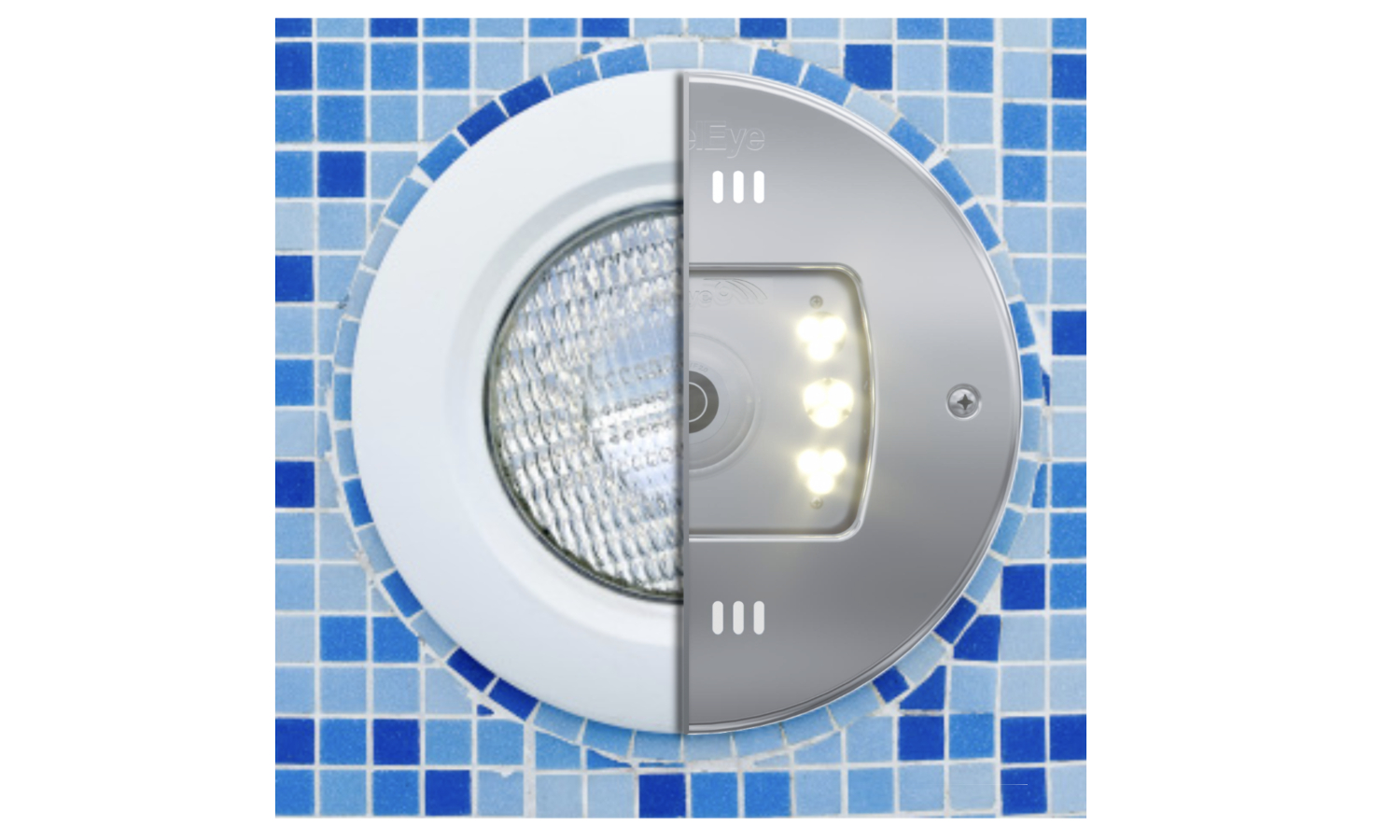
Aerial and underwater cameras build a 3D model of the pool, tracking every swimmer’s movement in real time. When the AI flags a distress pattern, such as a motionless body sinking, alerts reach lifeguards’ smartwatches within 10 seconds, according to AngelEye’s published specifications.
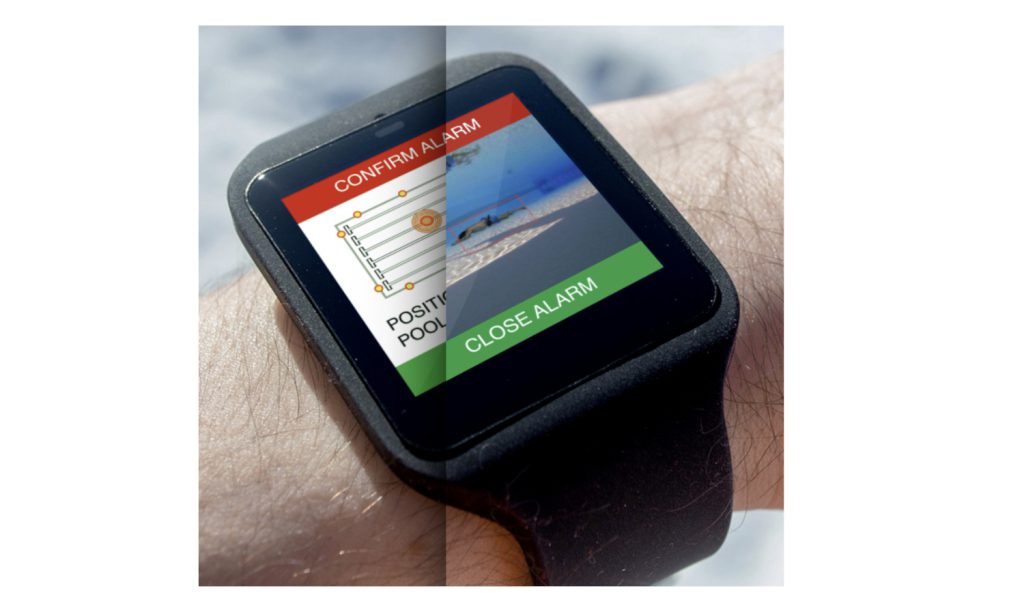
Los Angeles County, an earlier adopter, saw average drowning detection response times drop from 8–9 seconds to roughly 3 seconds after deployment, per county documentation. L.A. also recorded a 7% increase in accidental drownings over the five years following adoption, according to WKRN reporting, with no causal link established in either direction.
The Red Cross’s Jill Hernandez puts the stakes plainly: drowning is fast and silent, and a person in distress can submerge within 20 to 60 seconds. Shaving seconds off detection genuinely matters, and that argument holds up.
What the YMCA Has Told You (and What It Hasn’t)
Members are asking reasonable questions that remain publicly unanswered.
The YMCA states that footage runs on a closed network, is never sold or shared with third parties, and is used only for drowning detection, emergency response, and lifeguard training. Those are good starting commitments, not a complete answer.
Members are still waiting to hear:
- How long footage is retained before deletion
- Who internally can access recordings and whether that access is logged and audited
- Whether footage can be reviewed for purposes beyond safety and training
- What the breach response plan looks like if the network is compromised
- Whether current lifeguard staffing levels are a written policy commitment or a verbal assurance
The Credibility Gap
Two contradictions are sitting in the room, and the YMCA has not addressed either one.
Start with the staffing tension. Holly Sanders, executive director of risk management for the YMCA of Middle Tennessee, stated that AngelEye “is not designed to replace” lifeguards, per ymcamidtn.org. Stating intent and committing to policy are not the same thing, and the YMCA has only done one of them.
AngelEye’s own website positions the system as a way for pool operators to extend monitoring capacity without proportionally increasing lifeguard counts, according to WKRN reporting. That sits in direct tension with the YMCA’s assurance that staffing remains unchanged, and the two positions deserve explicit reconciliation.
Then there is the network claim. Cybersecurity expert Dr. Jared M. Smith cautioned in WKRN reporting that closed networks do not eliminate the risk of internal misuse , a pattern seen in cases of apps secretly tracking users , pointing to documented camera data abuse in other closed systems, including Flock camera networks. A closed network is a starting point for data security, not the finish line.
AngelEye director Gianluca Mercato compared the technology to seat belts in WKRN coverage, arguing it represents the next standard for aquatic safety. Seat belts did become standard, but they arrived alongside crash-test mandates, federal safety requirements, and liability frameworks. That regulatory scaffolding does not yet exist for AngelEye.
The fix is not complicated. The YMCA should publish a clear data governance policy covering specific retention limits, access logs, audit rights, and a written staffing commitment. That is the minimum threshold for placing cameras beneath the waterline in a family recreation space, and it is what earning continued trust actually requires.