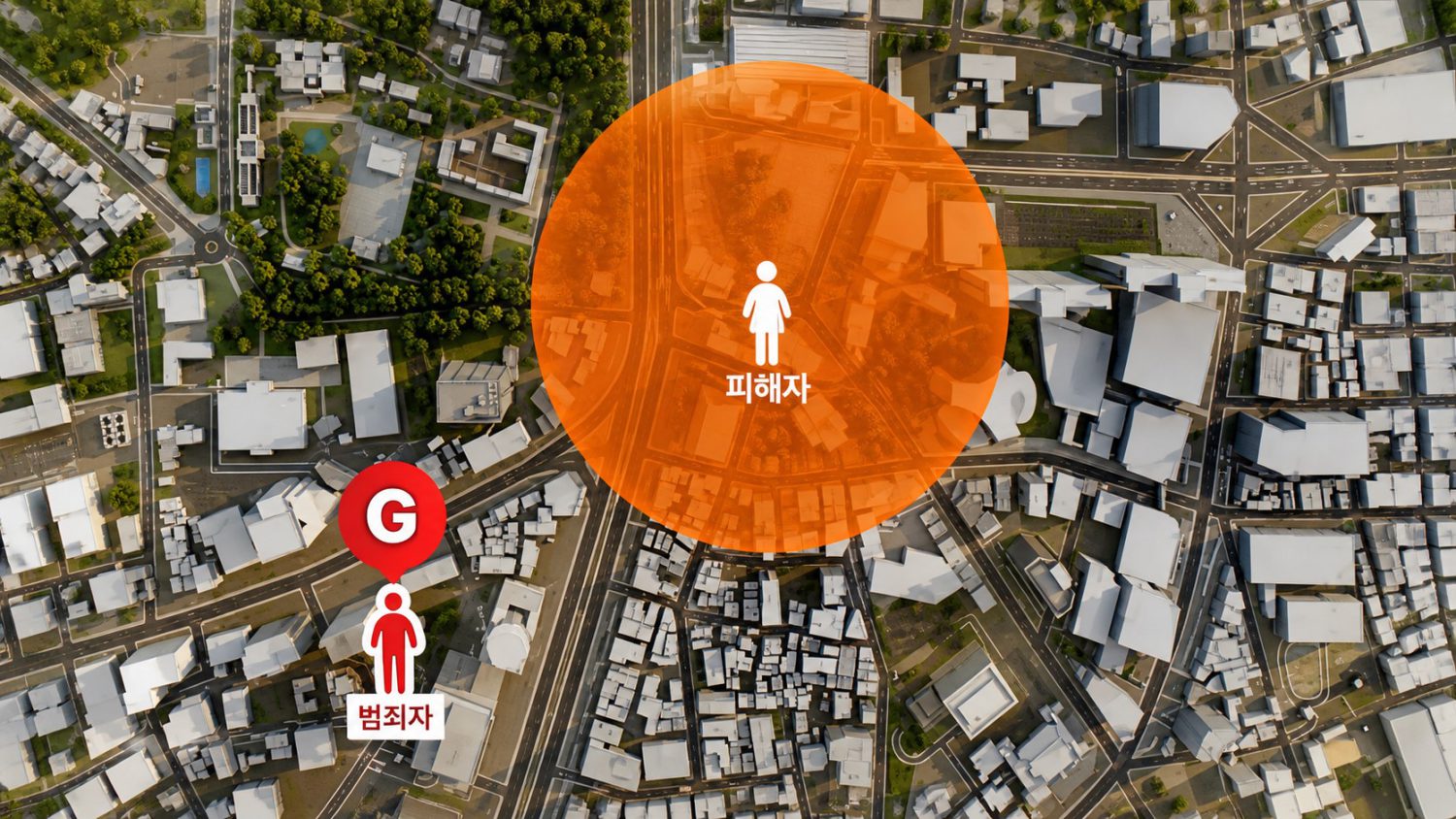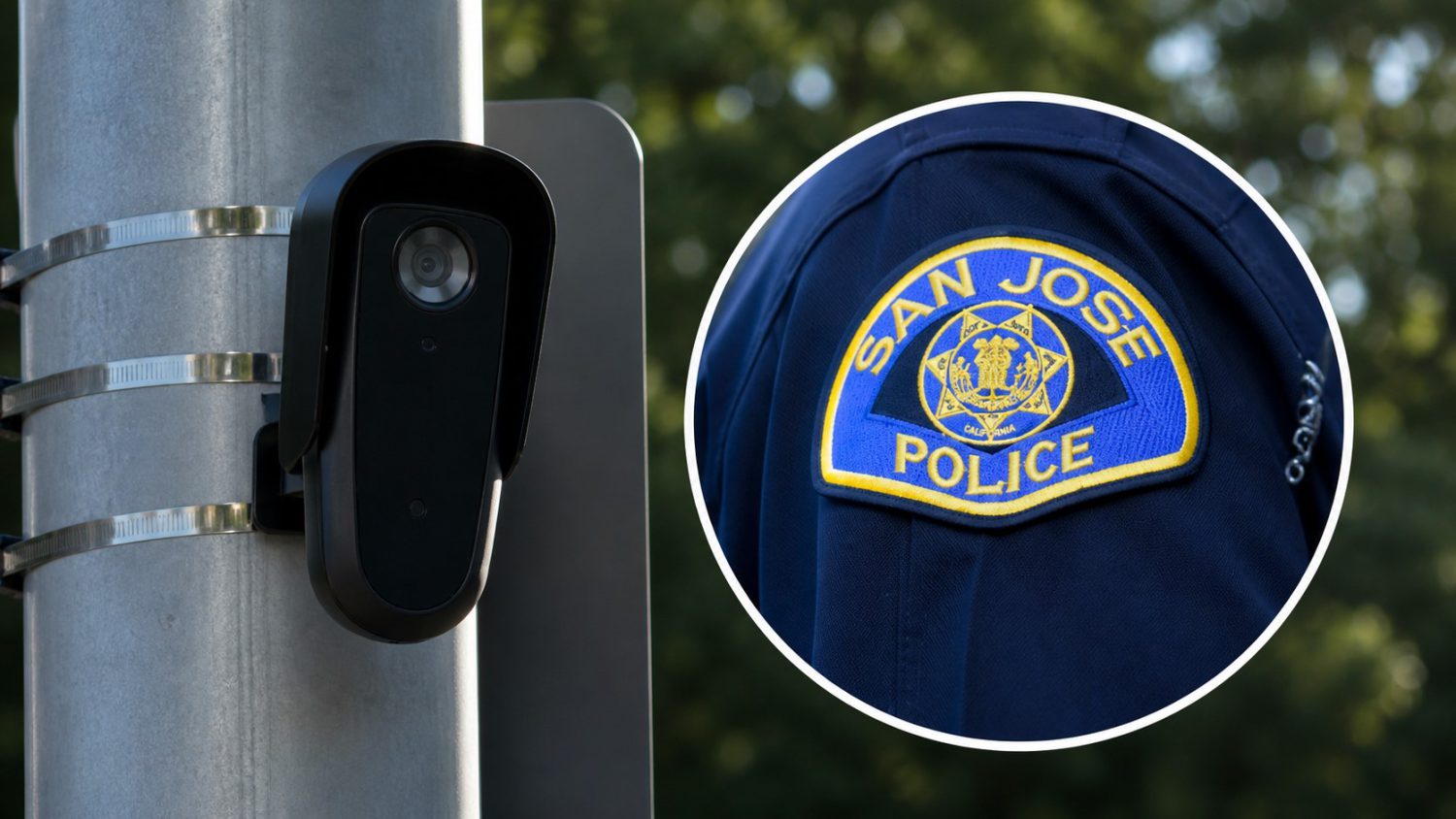
When a domestic violence survivor reported her abuser to the San Jose Police Department, she was trusting the system to protect her. Instead, an officer inside that same department used it to hunt her down. Off duty, from his personal phone, an SJPD officer accessed Flock Safety’s AI-powered license plate reader network and located the victim’s vehicle. He then fed her real-time location to his cousin, the domestic violence suspect.
The complaint came in February 2025. The officer was fired in April 2026. No criminal charges were filed against him or his cousin.
The System Worked Exactly as Designed
Flock’s own audit log caught the betrayal, but California law had no criminal statute ready to meet it.
Flock Safety is a cloud-based automated license plate reader platform used by law enforcement agencies across the country. It is fast, accurate, and logged.
The officer’s misuse surfaced only because the victim noticed something wrong: her alleged abuser kept knowing exactly where she was. She reported it, investigators pulled the Flock audit log, and there it was.
“The officer accessed license plate reader data and provided that to a suspect in a domestic violence situation, which enabled that suspect to locate a victim,” San Jose Police Chief Paul Joseph told NBC Bay Area. The technology exposed the betrayal. The law, however, had little to say about it.
Fired, Not Charged , and That’s the Problem
Losing a badge and facing criminal accountability are not the same thing, and that distinction matters to every domestic violence survivor depending on police protection.
SJPD placed the officer on administrative leave and referred the case to the district attorney’s office. After that process concluded without charges, the department terminated him. The case now sits with California’s Commission on Peace Officer Standards and Training for a decertification review.
“An officer who violates the public’s trust this severely cannot wear the San Jose badge,” Chief Joseph told the San Francisco Chronicle.
That is a meaningful consequence. It is not criminal accountability.
Prosecutors reportedly declined charges because California law criminalizes misuse of confidential criminal databases. It does not yet explicitly cover ALPR data collected by systems like Flock. The officer had authorized access to the platform, and that authorization created a legal grey zone prosecutors found too wide to cross.
This is not a one-city anomaly. Reporting by the Washington Post and CNN documents a broader national pattern of officers using Flock to track ex-partners and personal targets through the same network. Think of it less like a rogue cop story and more like a master-key problem: when thousands of officers hold access to a real-time vehicle location database with minimal external oversight, some will use it for exactly the wrong reasons. Apps secretly tracking users without consent have become a troubling fixture of this broader landscape.
What Needs to Change
Internal policy reforms are a start, but administrative rules cannot fill a gap that only legislation can close.
SJPD moved quickly on internal policy after the incident. Personal devices are now banned from accessing law enforcement databases, smart auditing tools are being tested to flag access that lacks a lawful purpose, and every officer was warned that improper ALPR access is grounds for termination.
Those are real steps, and they matter. But administrative fixes cannot substitute for law.
California explicitly criminalizes misuse of criminal databases. ALPR systems like Flock need the same statutory protection. Legal experts cited in local coverage say the San Jose case is the clearest argument yet for state legislation closing that gap.
Bay Area residents have already sued the city, arguing Flock enables mass surveillance. A lawsuit filed in early 2026 alleged the platform allowed out-of-state agencies to access SFPD’s database over 1.6 million times, according to SFist. San Jose’s Flock problem gives those arguments something concrete to point to.
You should not need to notice your abuser is following you before the system catches a cop helping him do it. The woman at the center of this case was the one who triggered the investigation. That is not oversight. That is a victim doing the job that audits, laws, and accountability structures failed to do first.