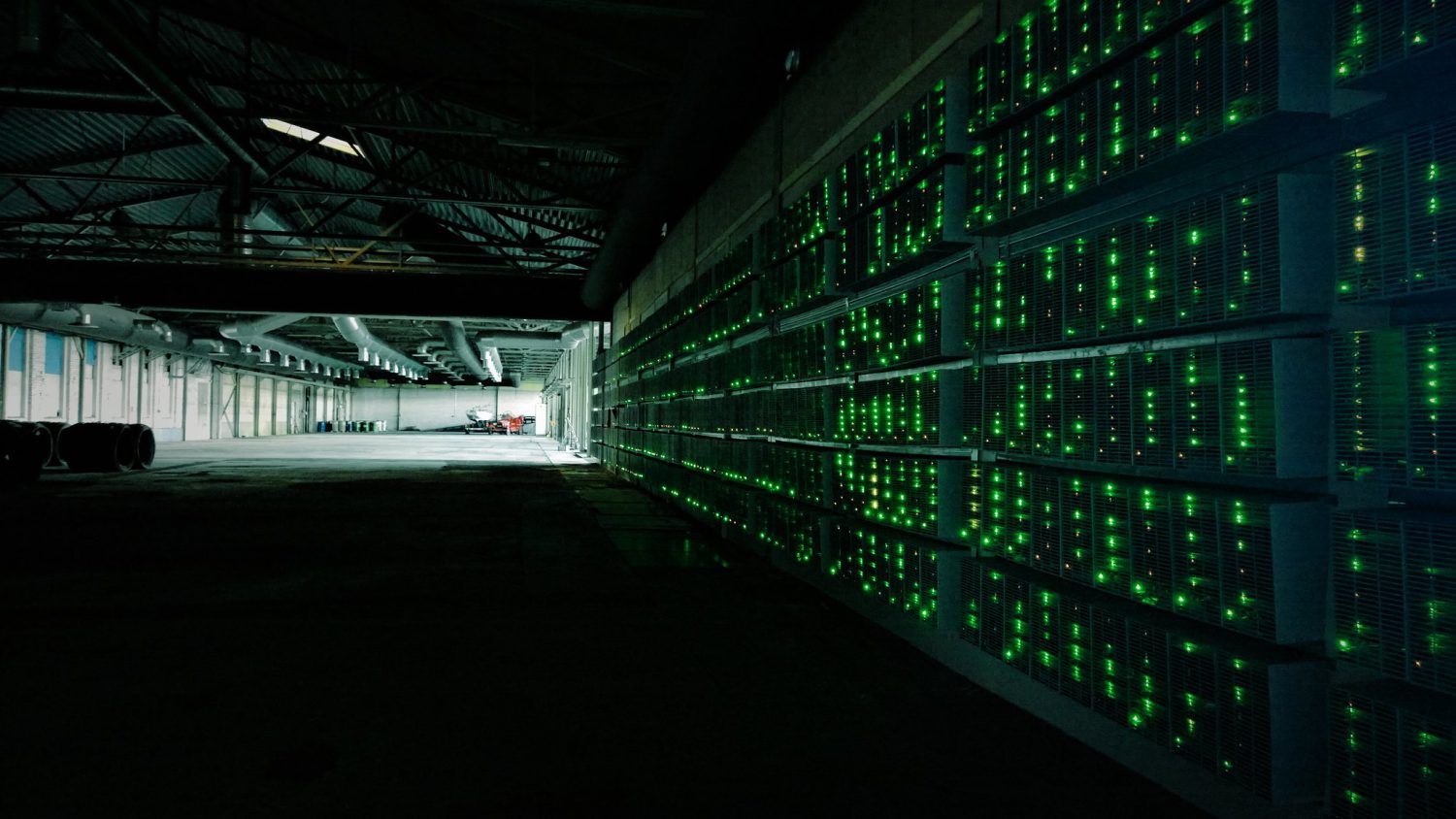
Residents living near Tlaola, a small municipality of roughly 20,000 people in Puebla’s Sierra Norte mountains, could hear it from about a kilometer away. The constant mechanical drone of transformers and cooling fans ran day and night. When Mexican federal and state authorities moved on the source in early September 2026, they found a fully operational, 300-GPU cryptocurrency mining farm tapping what investigators suspect was stolen hydroelectric power. It is the fourth clandestine crypto operation found near the same dam since early 2025.
What Authorities Found
An inter-agency operation involving Mexico’s federal prosecutors (FGR), the Navy (SEMAR), and the Puebla state security ministry (SSP) secured the property and dismantled the facility. According to Reuters, authorities discovered:
300 graphics processing units (GPUs), 80 medium-voltage terminals and eight satellite antennae, all geared to compete against millions of other machines to solve puzzles and create valuable new crypto coins.
Reuters
Also seized was a pedestal-mounted transformer consistent with the heavy-draw electrical infrastructure a mid-size mining operation requires. Investigators are examining whether operators siphoned electricity from the nearby Nuevo Necaxa hydroelectric complex. No specific cartel has been officially named as the operator; the operation is described by authorities as suspected organized crime infrastructure, and attribution remains under active investigation.
The Hardware in Context
Three hundred GPUs sits well beyond any home rig and well below the thousands of units a legitimate commercial farm might run. Exact models were not confirmed in official documents, which describe the units simply as “specialized computers type GPU.” Ethereum’s 2022 shift away from proof-of-work flooded secondary markets with used mid-range cards. Illicit operators can now source RTX 30-series-class hardware cheaply, and coins still efficiently mined on GPUs, particularly Monero and certain altcoins, remain viable targets, since Bitcoin mining is now largely ASIC-dominated. The eight satellite antennas kept the operation off local ISP monitoring while maintaining the low-latency pool connections mining requires. Official documents and cited sources do not confirm a specific brand for those antennas.
A Pattern, Not an Incident
This is the fourth clandestine mining farm discovered near the Nuevo Necaxa hydroelectric system since early 2025, according to Reuters. Mexican authorities now apply the term “huachicoleo,” traditionally used for fuel theft from pipelines, to electricity theft as criminal groups shift toward energy infrastructure that converts stolen power directly into digital assets.
The financial stakes extend well beyond a single raid. Cybersecurity firm SILIKN reported a 55.8% year-on-year increase in crypto use for money laundering in Mexico in 2025, with groups including Sinaloa and CJNG using Bitcoin, Monero, and Tether to move funds. UN and DEA estimates cited by SILIKN put cartel crypto laundering at up to $25 billion annually. Chainalysis’ 2026 Crypto Crime Report places illicit cryptocurrency volume globally at $154 billion in 2025, a 162% jump from the prior year.
Cartel-linked mining serves two functions in that ecosystem. It generates revenue by converting stolen electricity into coin. It also provides a laundering layer, mixing mining-derived assets with drug proceeds through privacy coins and low-KYC platforms.
Enforcement Limits
Cryptomining is not illegal in Mexico. Prosecutions depend on proving electricity theft, money laundering, or organized crime association, each carrying its own evidentiary burden. GPUs and satellite terminals are portable, and analysts suggest a dismantled farm can be re-established quickly after a raid. AI data centers continue absorbing top-tier GPU supply and driving hardware costs upward. That shift leaves illicit operators running older cards on stolen electricity with less legitimate competition for that hardware tier, and regulatory pressure on mining pools and exchanges operating in high-risk jurisdictions is likely to follow.