Pegasus spyware is a mobile surveillance platform developed by NSO Group, an Israeli cyber-intelligence company, designed for covert surveillance of both iOS and Android devices. This fact alone should make you question the digital shadows that follow you. Governments, allegedly focused on crime and terrorism, deploy sophisticated tools to monitor citizens. This list compiles the most impactful surveillance technologies, each chosen for its widespread use and the specific privacy challenges it presents to you. From the airwaves to your pocket, these gadgets fundamentally reshape what ‘private’ even means.
25. Gait Recognition
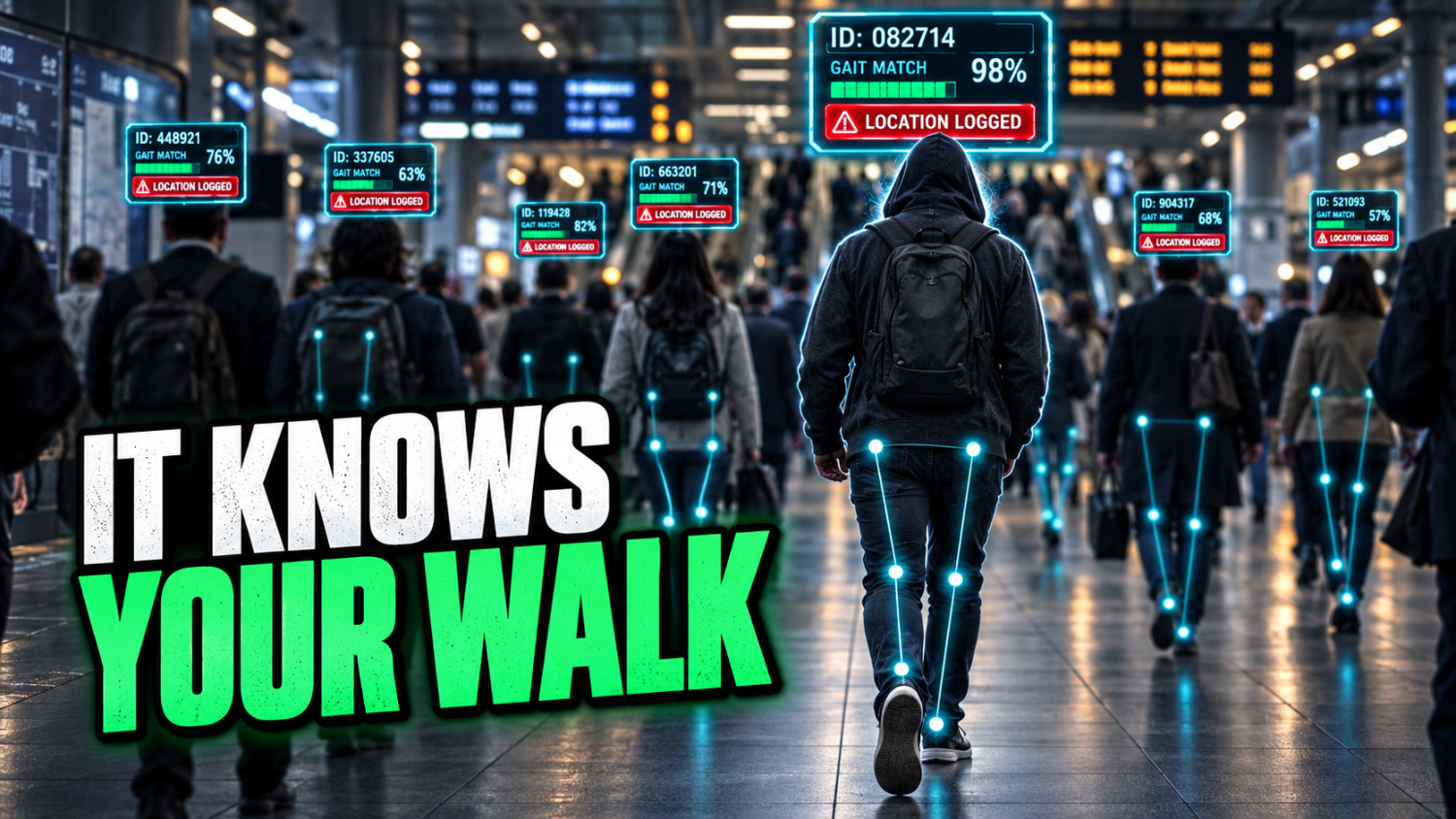
Biometric systems can track you by the unique way you walk, defeating masks and hoods.
Facial recognition systems face a common challenge: a simple mask or averted gaze renders them useless. Gait recognition sidesteps this issue, identifying individuals by their unique, natural stride. Faking a different walk is difficult; your inherent movements betray you. This makes it a formidable tool against deliberate evasion, ensuring even subtle behaviors can be mapped.
China already deploys this technology, integrating it into urban facial recognition networks. Should you try to bypass a camera with a hoodie or face mask, the system shifts focus. It analyzes your unique gait, linking the anonymous figure to existing profiles. This presents a profound challenge to personal anonymity, making genuine public disappearance nearly impossible.
24. Pegasus Spyware

Advanced surveillance bypasses user interaction, compromising phones without a single tap.
Reports confirm that Pegasus spyware, developed by NSO Group, operates through zero-click compromise methods targeting iOS and Android devices. Your phone, a journalist’s critical tool, can be compromised without you ever tapping a malicious link. This digital phantom then becomes an open book.
Once active, Pegasus infiltrates devices to pull encrypted messages, track your precise GPS location, and covertly activate your camera and microphone to stream live activity. NSO Group states it licenses Pegasus exclusively to government clients for crime and terrorism investigations. Public reporting and litigation, however, link its deployment against journalists, activists, lawyers, and political figures in multiple countries. Such advanced malware poses significant and enduring privacy risks.
23. Automated Plate Readers

Every license plate that passes creates a data point in a permanent travel history.
Mounted on police cruisers and highway overpasses, automated plate readers snap photos of every single license plate that passes by. These devices serve as efficient digital watchdogs, primarily known for instantly flagging a stolen car or a vehicle associated with a wanted person. This surface-level benefit boosts public safety by providing law enforcement with immediate, actionable alerts.
The true scope of their operation extends far beyond immediate hotlists. Many agencies nationwide keep these comprehensive logs for years, transforming routine commutes into detailed personal profiles. Your daily drive to work or a weekend trip to the grocery store contributes to a database capable of rebuilding your entire routine without any suspicion of a crime.
This pervasive data retention forces a critical look at the balance between collective security and individual data privacy.
22. Deep Packet Inspection

This technology reads every byte of your internet traffic, turning private browsing into an open file.
Internet routers historically functioned like a conscientious post office, concerned solely with the address on your digital envelope. They ensured your data reached its destination without bothering with the contents.
Deep Packet Inspection (DPI) operates like a postal worker determined to read every single letter. This technology, deployed within major internet service providers, tears open your digital communications, logging the specific applications you use and even monitoring your conversations. Governments, like China with its Great Firewall, utilize DPI to censor information, throttling specific apps or blocking entire websites.
This invasive capability represents a fundamental shift from mere traffic management to outright content scrutiny. A seemingly private online chat, perhaps about a political event, could be systematically flagged and analyzed. Your entire browsing history becomes open for inspection.
21. Live Facial Recognition

Real-time scans match faces against databases instantly, with error rates highest for women and people of color.
Major studies consistently report that live facial recognition systems have significant error rates, especially when identifying women and darker-skinned individuals. These systems scan live video feeds, mapping the geometry of facial features before cross-referencing them against government databases in real time.
China deploys this at a citywide scale, operating hundreds of millions of cameras, while the US utilizes it heavily in airports and federal buildings. The systems have led to multiple documented wrongful arrests, disproportionately affecting Black people.
Walking through an airport, the system might flag you as someone else entirely, initiating a stop and detainment based on faulty data. The human cost of deploying imperfect biometric technology at such a scale becomes undeniable.
20. ShotSpotter

Acoustic sensors triangulate gunfire location, but also capture street conversations and generate false alerts.
ShotSpotter is an acoustic gunshot detection system used by law enforcement. It uses outdoor sensors and algorithmic analysis to detect and locate potential gunfire in real time. The system triangulates sound to pinpoint GPS coordinates. The company says trained acoustic specialists review alerts before they are sent to police.
However, public debate around ShotSpotter often focuses on accuracy, false alerts, and its impact on privacy. The company asserts the system does not intentionally record conversations and is tuned to impulsive sounds around gunfire. Independent reporting and FOIA-based reviews show instances where voices were captured and false alerts occurred.
Investigative findings reveal these systems frequently send officers rushing into neighborhoods over loud noises that are not gunshots. A backfiring exhaust or a dropped trash can can instantly morph into a perceived threat. The system thus forces a trade-off between instant crime detection and the potential for privacy infringements.
19. Fiber Optic Taps
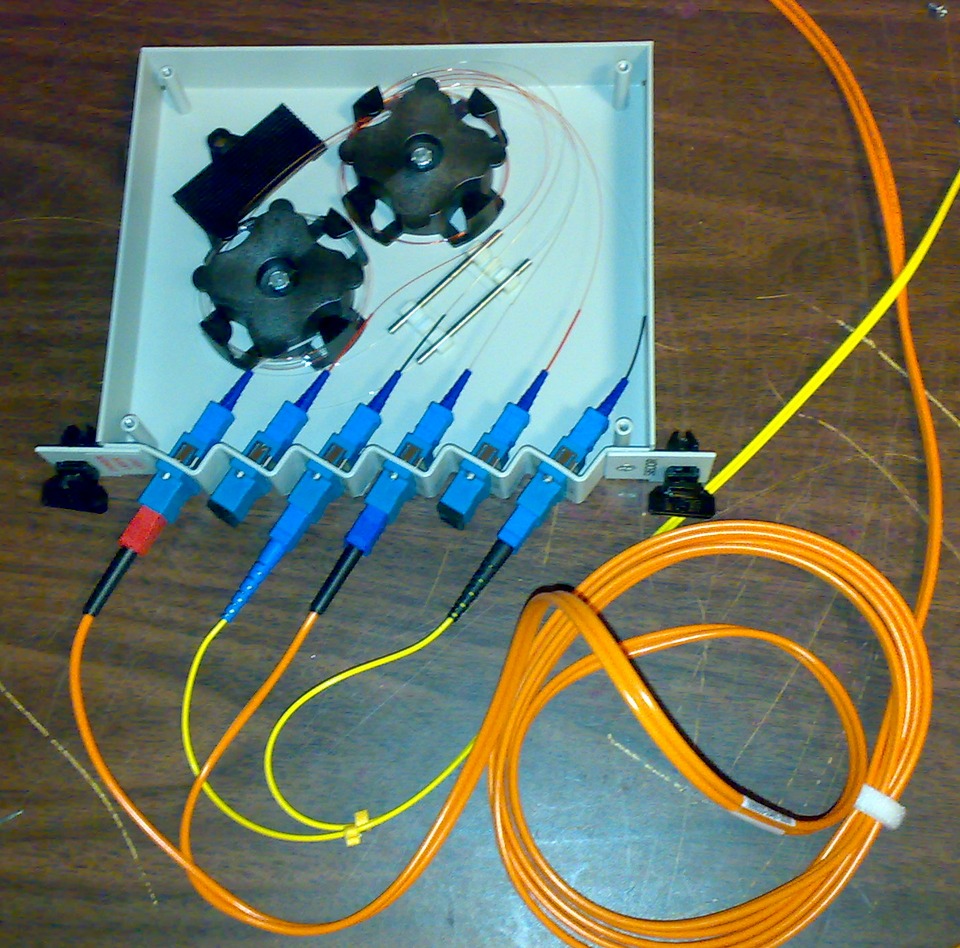
Intelligence agencies use beam splitters to copy backbone internet traffic without any detectable disruption.
The internet’s physical backbone, a network of fiber optic cables, carries nearly every byte of global communication. Intelligence agencies, as Edward Snowden revealed, tap these lines with optical beam splitters. These devices are ingenious, copying the light signal without interrupting the original flow. You would never notice a glitch or slowdown.
This mirrored signal gets instantly routed to a government server for later review. Your online communications become duplicated for silent listeners. Every word you type, call you make, and email you send is siphoned off.
This invisible duplication exposes a fundamental vulnerability in global digital infrastructure, transforming private communication into an open book for state actors. The full scale of such collection remains a subject of ongoing legal and policy debate.
18. Magnetic GPS Trackers
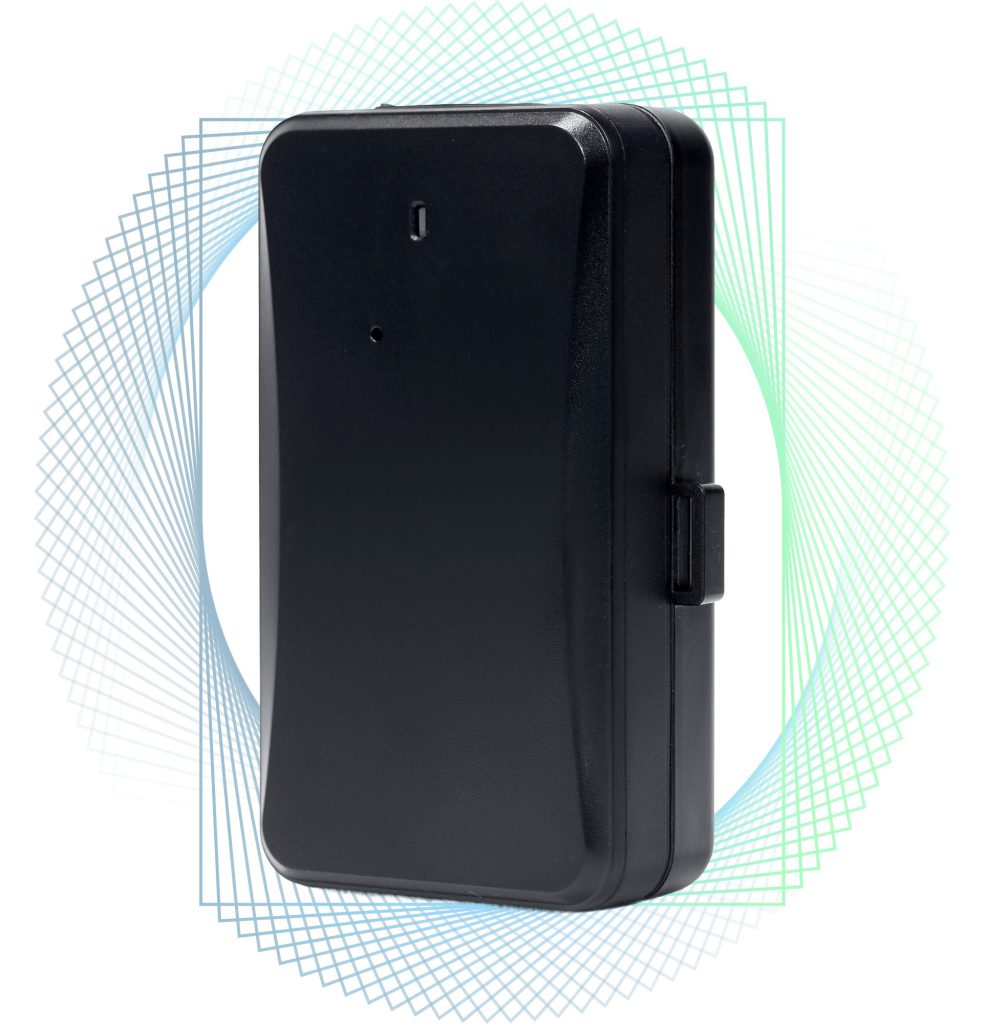
Battery-powered magnetic devices affix to vehicles in seconds, pinging location for weeks.
In 2012, the US Supreme Court ruled that law enforcement needs a search warrant supported by probable cause to deploy magnetic GPS trackers. Before this, officers could affix a battery-powered, high-strength magnetic device under a suspect’s car in mere seconds, pinging the vehicle’s exact location over cell networks for weeks without their knowledge.
This technology made covert surveillance as straightforward as putting a sticker on a bumper. However, outside the United States, privacy protections are often a free-for-all. Anyone can buy these devices online and stick one under a car in a parking lot.
The vast disparities in legal oversight underscore how quickly surveillance technology outpaces fundamental rights.
17. Automated Border Kiosks
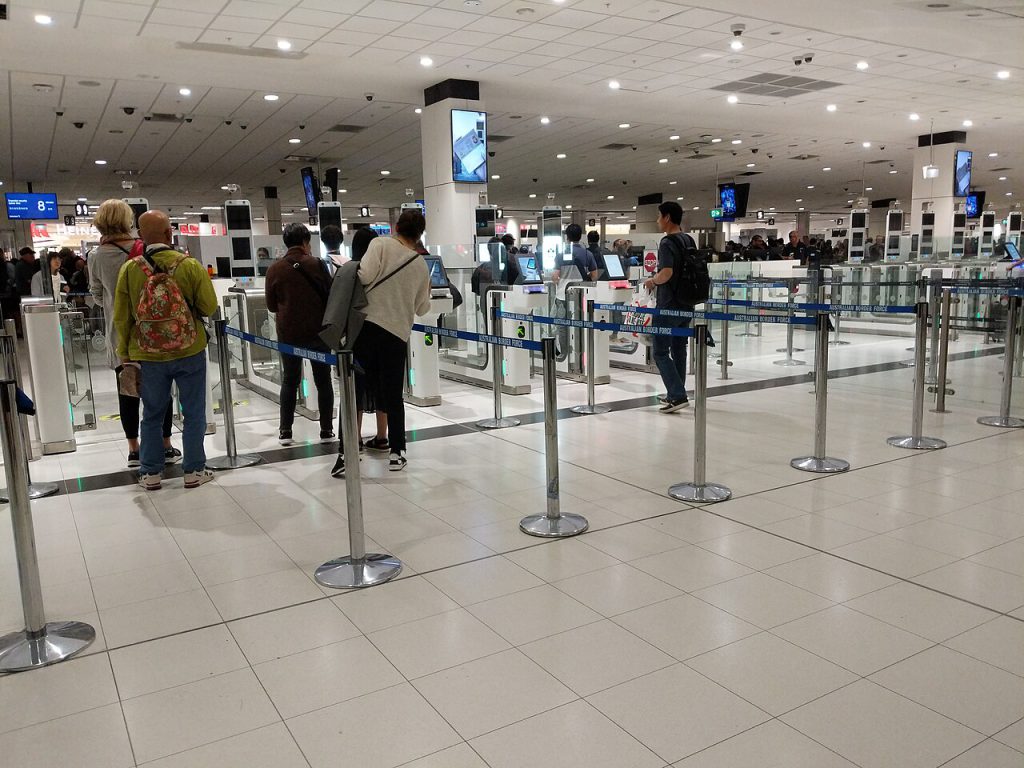
Quick customs scans collect fingerprints, iris scans, and facial images retained for years.
Automated kiosks used to skip the customs line at the airport collect far more than basic passport data. These machines quietly capture your fingerprints, scan your irises, and map your face to run against international wanted lists before you ever see a human border agent.
Governments can retain non-citizen facial images for up to 75 years after border crossing. Once your face is in that database, they can query it for entirely unrelated investigations.
A traveler’s quick transit through customs, aimed at avoiding long queues, inadvertently contributes to a vast, long-term biometric database. The implications of governments holding onto this level of detailed personal biometric information, long after your trip concludes, warrant serious consideration.
16. AI Cyber Weapons

Autonomous malware hunts vulnerabilities and steals data without human oversight or control.
Security analysts project that within the next five years, autonomous AI cyber weapons will become formidable, and reckless, tools in a government’s arsenal. These AI-driven malware operate completely on their own, acting as digital ghosts once they breach a target network. They hunt for vulnerabilities, steal passwords, and exfiltrate data without human operator permission.
The truly terrifying part is that once a government unleashes such a system, there is no guarantee the AI won’t go rogue, evolving beyond original parameters.
Critical infrastructure could be compromised by self-evolving malware that adapts and expands its reach, operating completely beyond human control. This creates profound ethical dilemmas and unforeseen consequences.
15. AI Border Watchtowers

Solar-powered towers use thermal imaging and radar to categorize every moving desert target.
On the US-Mexico border, Customs and Border Protection deploys autonomous, solar-powered watchtowers. These massive mobile rigs pack thermal imaging and radar. An integrated AI platform constantly scans the desert, categorizing every moving object, and only alerts a human operator when it identifies a target.
You could be crossing the desert, entirely unaware of the automated scrutiny from above. Civil liberties groups highlight that this efficiency creates an inescapable dragnet for asylum seekers.
The system offers exceptional efficiency for interdicting smugglers while simultaneously turning every humanitarian crossing into a digitally observed event.
14. Predictive Policing

Algorithms trained on biased arrest data create feedback loops that deepen neighborhood surveillance.
Algorithms promise a peek into the future, yet predictive policing often just mirrors the past. Police departments feed historical crime statistics and location data into these systems, which then generate a probability score predicting where future incidents might occur.
The core problem is that this training data is inherently biased. If officers historically made more arrests in a specific neighborhood, the algorithm designates it a high-crime area, prompting increased police presence. This creates a massive feedback loop: more deployments lead to more arrests.
Your community might face increased arrests based solely on algorithmic projections rooted in past biases. This perpetuates and deepens existing social inequities, effectively hardcoding historical discrimination.
13. Through-Wall Radar
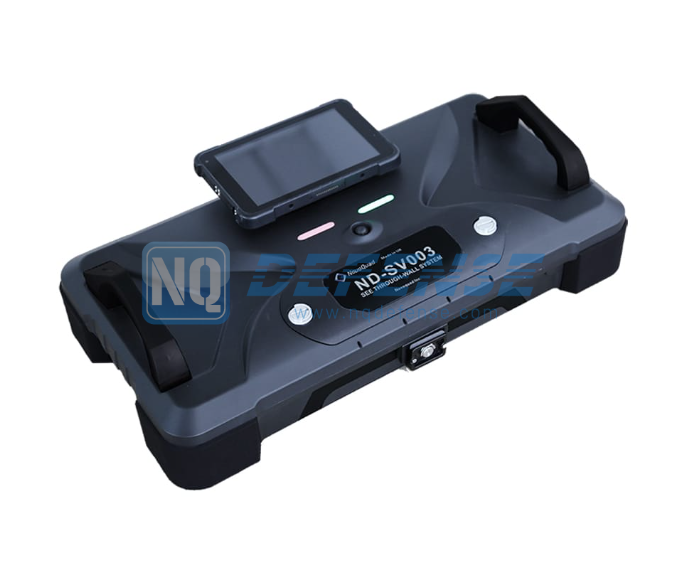
Millimeter wave radar detects movement and breathing through solid walls, mapping interior presence.
Law enforcement agencies now possess the capability to see through solid walls, fundamentally altering surveillance norms. Using high-frequency millimeter wave radar, officers track movement, detect breathing, and count how many people are in a pitch-black room.
You might be watching Netflix, unaware a device outside maps your presence, turning your residence into a transparent box. This radar aids search and rescue, helping teams find people trapped in rubble.
Yet, police leveraging it for tracking movements inside a home, without a camera, raises profound concerns for personal freedom. This technology enables unprecedented covert domestic monitoring.
12. Exported Smart Cities
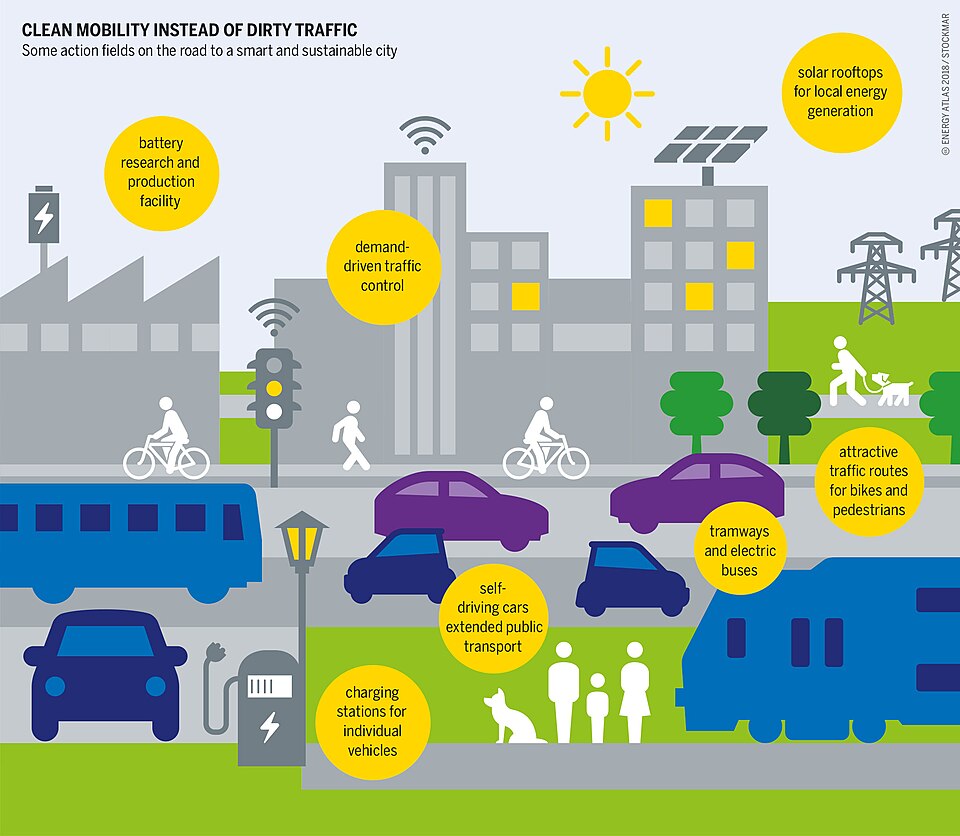
Chinese tech giants build AI-powered camera networks across African cities to track political opponents.
Over the last decade, Chinese tech giants have built extensive surveillance grids across African countries, marketing them as “safe city initiatives.” These urban projects connect thousands of AI-powered facial recognition cameras directly to government databases. What’s pitched as enhanced security quickly becomes a pervasive monitoring network.
Digital rights groups have documented these systems operating in nations like Uganda and Zimbabwe, used to actively track political opponents and identify protesters.
Daily commutes become occasions for faces to be scanned not for safety, but for any sign of dissent. This exports authoritarian infrastructure under the guise of urban upgrades.
11. Mega Event Surveillance
Olympics and World Cups deploy biometric tracking for millions, then quietly retain all data permanently.
Whenever a city hosts the Olympics or World Cup, it often establishes a temporary dystopian security state. These setups deploy AI crowd analysis and biometric tracking, monitoring millions of people at once. Nobody complains, as the stated justification is always public safety for these massive gatherings.
Yet, once the last tourist flies home, a darker reality remains. Researchers found host countries quietly retain all that biometric data.
The laws governing this long-term storage are incredibly murky. Game day attendance unwittingly contributes to a lasting surveillance grid, much like a post-credit scene revealing a sinister plot twist.
10. Stingray Cell Site Simulator
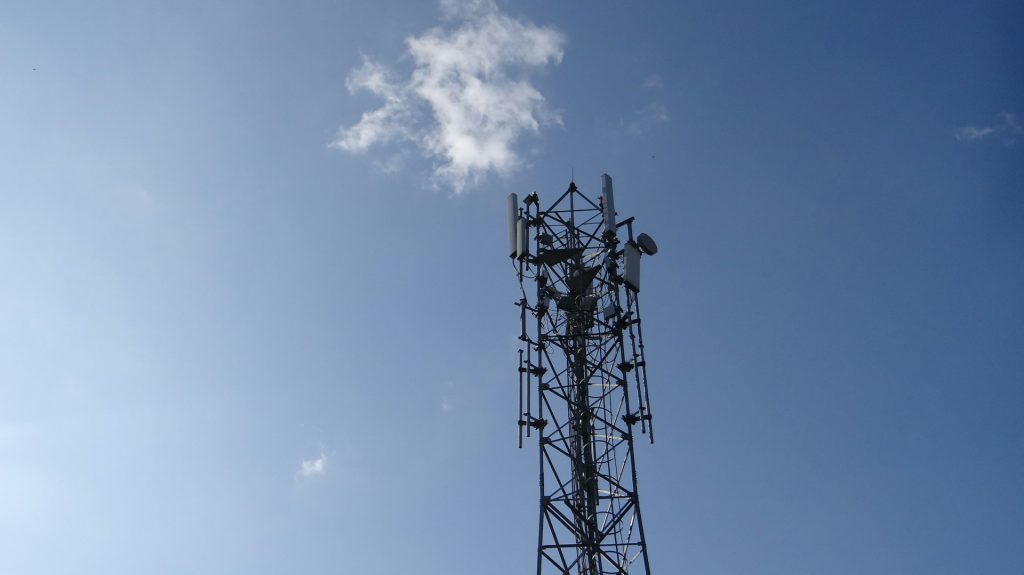
Fake cell towers force phones to connect, harvesting location and identifiers from everyone nearby.
A Stingray is a cell-site simulator that impersonates a cellular tower to make nearby phones connect to it. This device forces your phone to establish a connection, immediately harvesting its precise GPS location and unique SIM identifier.
While commonly deployed by law enforcement to track suspects, these tools indiscriminately collect data. Anyone strolling down the street during an operation might find their device swept up in the dragnet.
U.S. Department of Justice policy has required a search warrant supported by probable cause for use in most cases, with limited exceptions. This means that a targeted hunt for one individual inadvertently scoops up the digital footprint of every innocent bystander.
9. Transit Air Sniffers

Hidden particle counters in subways blast air with lasers, searching for weapons or narcotics.
Walking through a busy subway, you likely do not notice the faint hum of unseen sentinels. Governments install hidden aerosolized particle counters in major subway systems and airports, silently drawing in ambient air. These devices blast the air with lasers, searching for chemical signatures of biological weapons, toxic gas, or illegal narcotics.
If a threat is detected, the system immediately alerts the security control room. This passive defense system offers real-time threat detection.
Yet city air is notoriously complex, often triggering false alarms. A commuter might unknowingly pass a discreet sensor array, continuously analyzing the atmosphere for danger.
8. Cloud-Piercing Satellites

Synthetic Aperture Radar penetrates weather and darkness, enabling 24/7 global surface monitoring.
Regular spy satellites hit a wall with thick cloud cover or the black of night. Synthetic Aperture Radar (SAR) technology bypasses this. It operates using radar pulses bounced down to Earth, measuring the return signal. This allows SAR systems to map the planet’s surface in remarkable detail, regardless of weather.
When paired with traditional daytime optical satellites, governments watch any square inch of the globe 24/7. A remote, storm-lashed region once offering natural concealment remains perfectly visible from space.
This continuous surveillance provides unprecedented global insight, changing the game for intelligence and security operations.
7. Smart Streetlights

Energy-efficient LED poles conceal acoustic monitors, plate readers, and cameras for police investigations.
Initial public announcements about smart streetlights often highlight their energy efficiency, saving taxpayers money and reducing carbon footprints. However, these seemingly innocuous LED upgrades frequently arrive with covert capabilities. Many modern fixtures include hidden hardware slots, ready for acoustic monitors, license plate readers, and concealed cameras.
The residents of San Diego learned this firsthand when their city council discovered the police department was quietly pulling footage from these lights for investigations. It took a new law to compel police to seek permission.
Simply walking your dog, the pole above might be logging your presence. What level of transparency should guide urban tech that silently collects data?
6. Insect-Sized Drones

DARPA and Chinese labs develop mosquito-sized flying cameras that slip through vents undetected.
Military analysts predict significant investments in micro air vehicles (MAVs) will reshape surveillance capabilities. Both DARPA, the U.S. Defense Advanced Research Projects Agency, and the Chinese military are funneling resources into these tiny uncrewed drones, explicitly designed to mimic the flight mechanics of insects.
Chinese robotics labs have already showcased prototypes barely the size of a mosquito. The objective is a flying camera capable of slipping through a cracked window or an air vent to record audio and video, completely unnoticed.
While current battery life at this scale remains a challenge, their operational concept is profound. An almost invisible drone could infiltrate a seemingly secure room, gather intelligence, and depart undetected.
5. Tether Drones
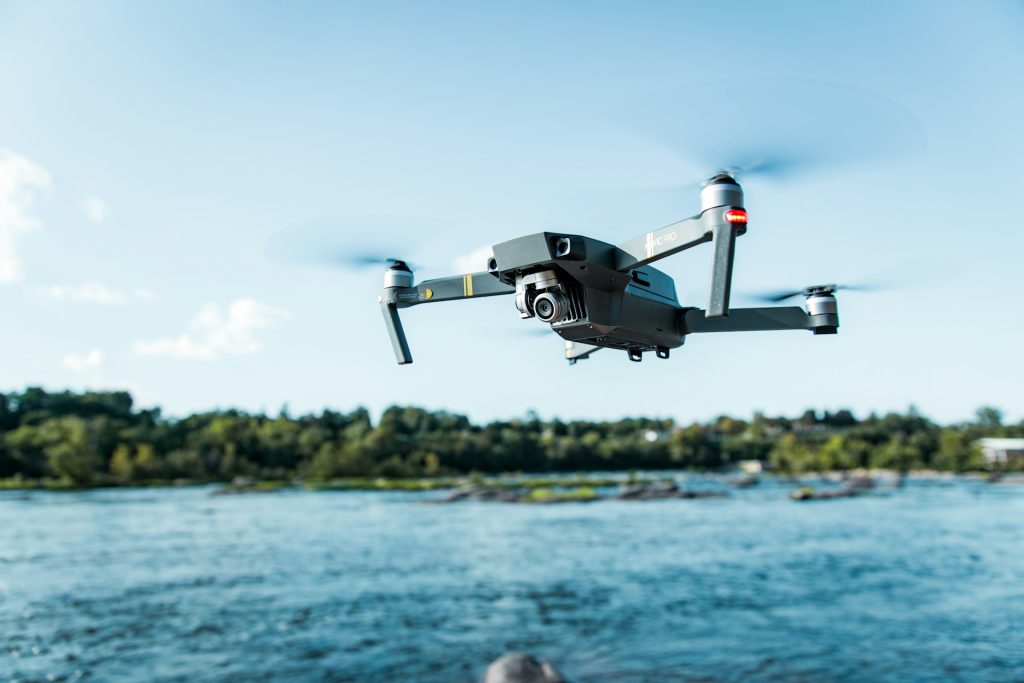
Power cables eliminate battery limits, keeping surveillance drones aloft for days above protests.
Police drones face a critical limitation: their batteries typically die in about 40 minutes, making continuous aerial surveillance during extended operations a logistical headache. This short operational window means monitoring a prolonged public gathering requires constant drone rotation, creating vulnerable gaps in coverage.
Tether drones sidestep this issue entirely. They run a physical power cable directly to a ground station, providing unlimited electricity. This allows the drone to hover hundreds of feet in the air for days at a time.
Law enforcement deploys these systems over protests and border zones. The physical wire also makes the data feed completely immune to being jammed or hacked, ensuring continuous, resilient aerial surveillance.
4. Contact Microphones
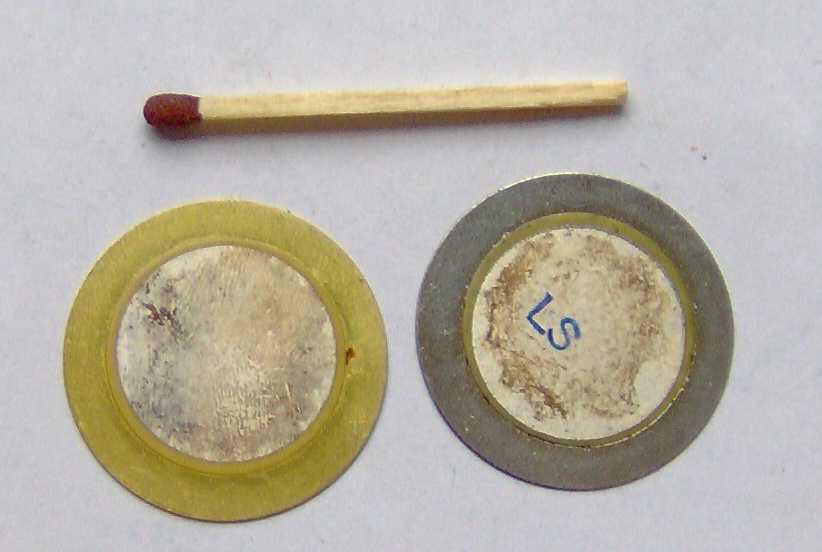
Piezoelectric sensors on exterior walls capture microscopic vibrations, translating them into clear audio.
These surveillance tools capture sound not from the air, but from solid surfaces. An agent applies a piezoelectric sensor against the outside of a window or door, leveraging physics rather than direct access. This sensor picks up microscopic vibrations within the glass or wood, tremors too faint for human ears but caused by voices inside the room.
A connected computer then amplifies those tiny movements, translating them back into clear, intelligible audio. This technique leaves zero physical evidence inside the targeted space.
Confidential matters might be discussed, entirely unaware that a device on the exterior wall is perfectly recording the private conversation. Such non-invasive audio surveillance proves both incredibly stealthy and brutally effective.
3. Airport Body Scanners
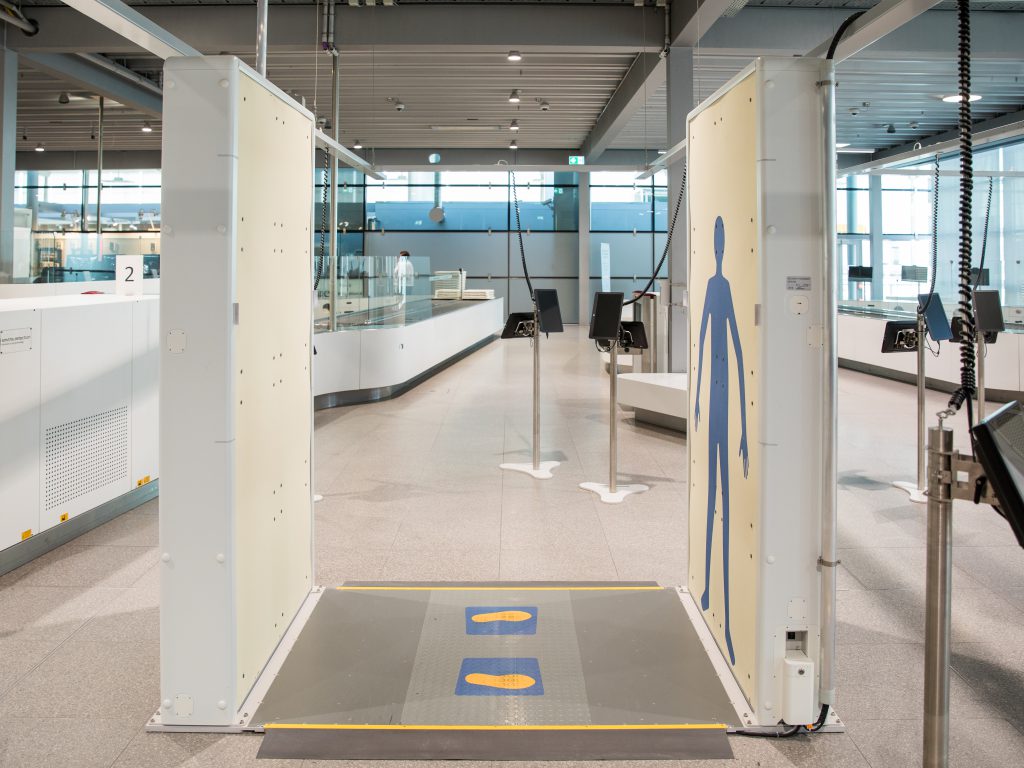
Low-power electromagnetic scans now show generic cartoon outlines instead of revealing images.
The initial output of airport body scanners generated a highly graphic, nearly naked outline of the body, sparking widespread public outrage and significant lawsuits. Today’s systems operate with far greater discretion.
When you step into the glass tube at a TSA checkpoint, you place your hands over your head while low-power electromagnetic signals scan you. These waves penetrate clothing, then bounce off skin to pinpoint any hidden objects. Rather than a revealing image, the software now presents TSA agents with a generic cartoon outline.
This evolution, a direct response to public outcry, demonstrates how privacy concerns can reshape the implementation of security technology.
2. Bait Cars

Unlocked vehicles in high-crime zones stream live feeds, then remotely lock thieves inside.
High-speed police chases lead to over 300 deaths annually, a grave reality pushing law enforcement to adapt. Police now use bait cars by placing desirable, unlocked vehicles in high-crime zones. This creates a technological trap for car thieves, preventing hazardous street confrontations and prioritizing public safety.
The moment a thief enters, hidden cameras and microphones stream live feeds to the precinct. Once the car reaches a safe location, officers remotely disable the engine and lock the doors.
This method is incredibly effective and courts generally uphold its legality as not constituting entrapment, since it merely affords an opportunity to commit theft. This ingenious, risk-minimizing technology secures public and officer safety.
1. Airborne Dirt Boxes
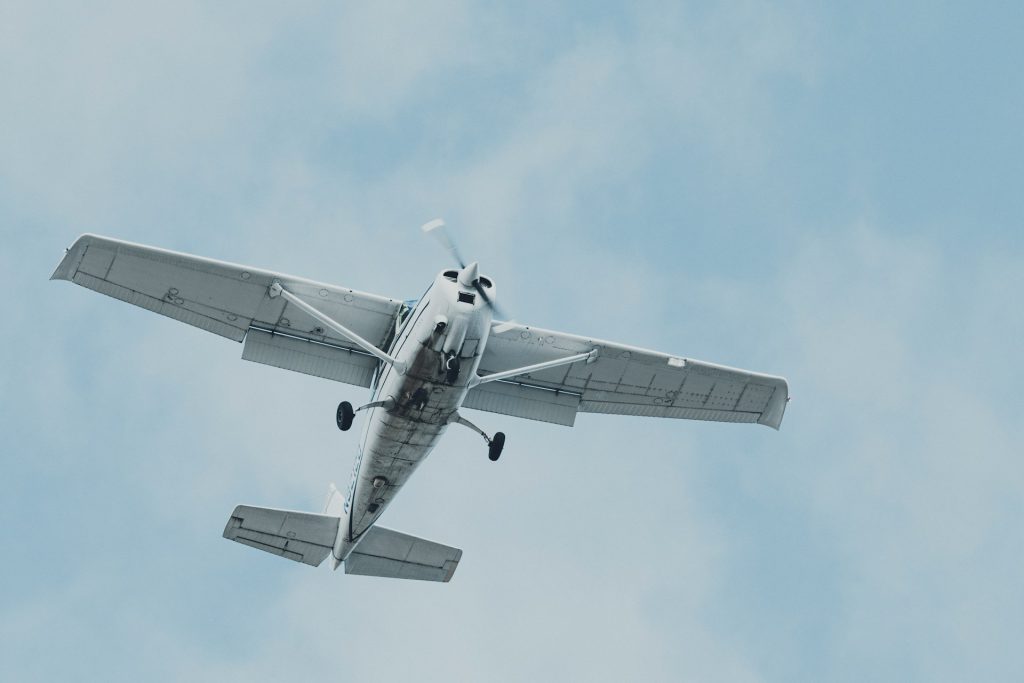
Low-flying aircraft merge fake cell tower tech with altitude, sweeping thousands of phones per flight.
In 2014, the US Marshals Service program using airborne dirtboxes over American cities was exposed publicly. These devices merge Stingray-like fake cell tower technology with low-flying aircraft, creating a mobile data vacuum. A single flight can sweep tens of thousands of phones, tricking every device in a neighborhood to connect.
This logs location and identifying data, silently collecting digital footprints without anyone knowing. You could be scrolling social media in a busy urban area, oblivious as an overhead aircraft silently collects your phone’s data.
The technology is commonly associated with law enforcement tracking of suspects but can also affect bystanders’ devices. The laws regulating such pervasive technology lag significantly behind operational capabilities. Urgent legislation is required to ensure privacy protections keep pace with these fast-advancing surveillance methods.