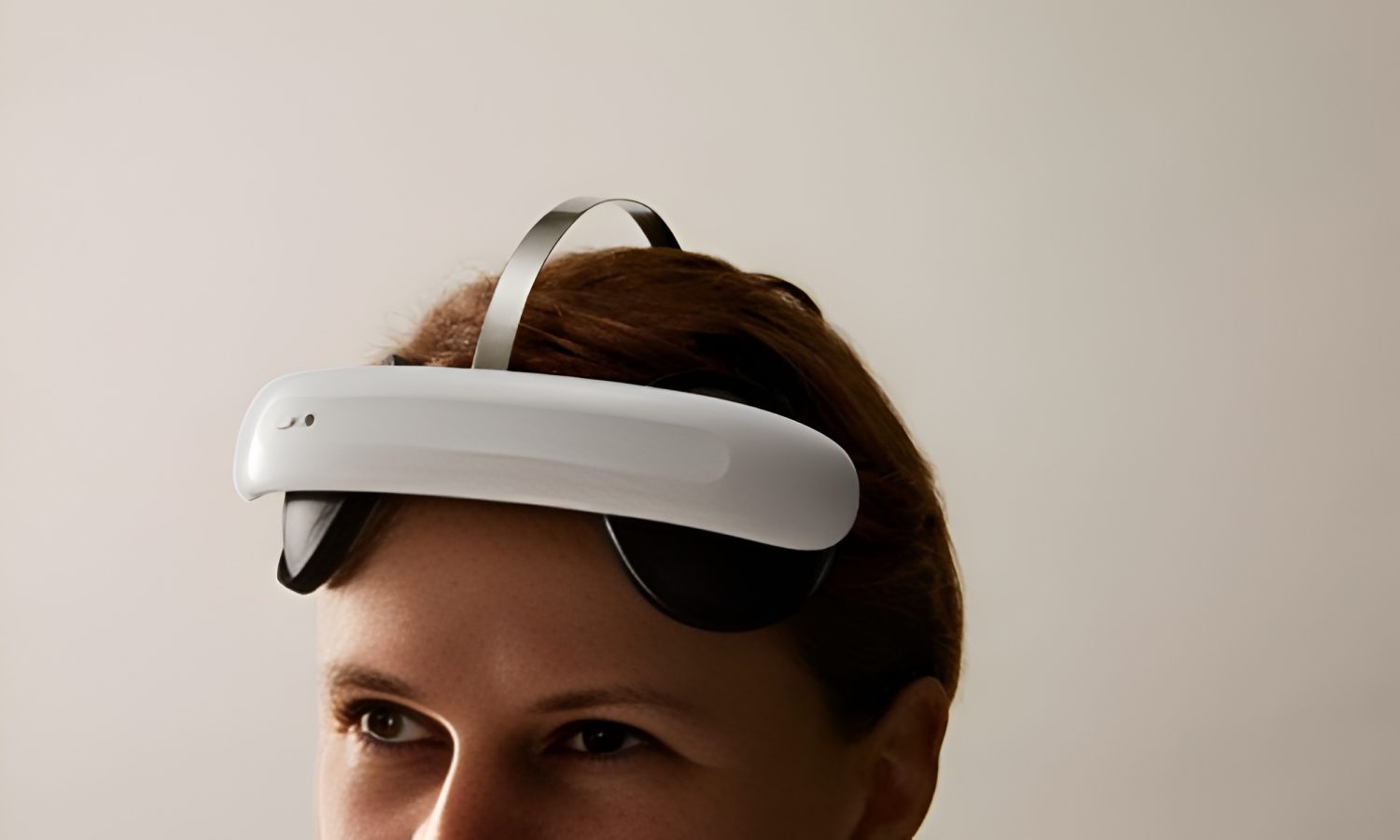
Every few years, a device clears a regulatory bar that nobody had cleared before. On December 8, 2025, Flow Neuroscience’s FL-100 did exactly that — earning FDA Premarket Approval (PMA P230024) as the first at-home brain stimulation device indicated for depression. This isn’t a Kickstarter neurofeedback headset promising “peak mental states.” It’s a prescription-only, clinician-supervised medical device backed by a randomized controlled trial published in Nature Medicine. Different category entirely.
What It Actually Does
A gentle electrical current, a smartphone app, and a clinician monitoring your data remotely.
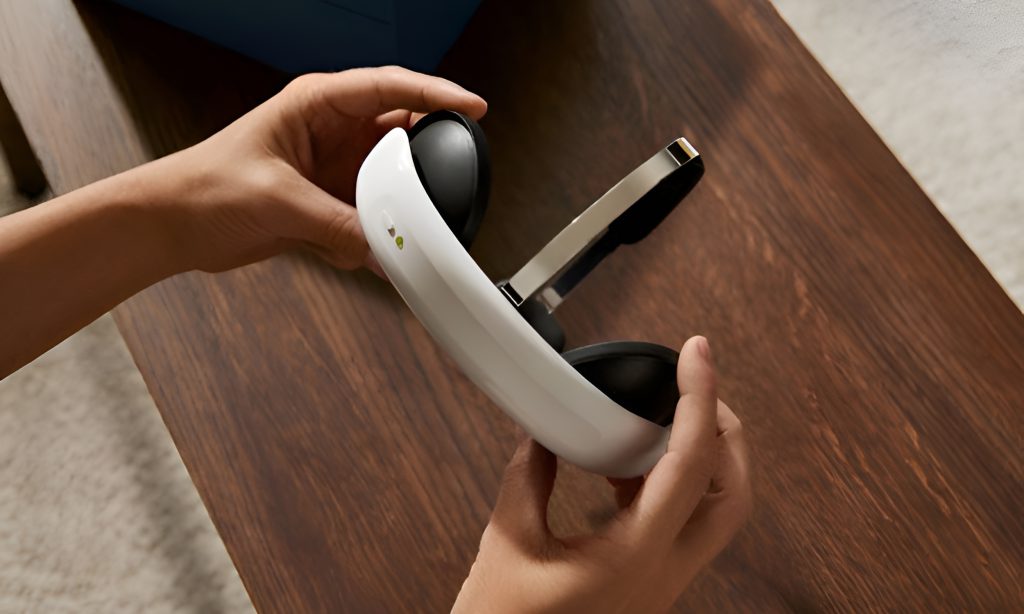
The FL-100 delivers transcranial direct current stimulation — tDCS, a low-level electrical current — to the left dorsolateral prefrontal cortex, the brain region tied to mood regulation and cognitive control. The wireless headset connects to a companion app that guides each session, tracks symptoms on validated scales, and sends adherence data back to your prescribing clinician. Think Peloton for your prefrontal cortex: structured, monitored, and only as useful as the protocol behind it.
Key details:
- FDA PMA P230024 granted December 8, 2025; prescription-only under 21 CFR 801.109
- Indicated for adults 18+ with moderate to severe MDD; not approved for treatment-refractory patients
- EMPOWER trial (Woodham et al., Nature Medicine): 57.5% remission rate at 10 weeks; approximately 63% achieved 50% or greater symptom reduction
- Treatment schedule: 15 sessions over the first three weeks, then three sessions per week thereafter; estimated US retail price $500–$800, with insurance coverage still evolving
Flow Neuroscience markets FL-100 as “the first and only FDA approved at-home tDCS treatment for depression” — a claim the PMA filing supports.
Who This Is, and Isn’t For
The indication limits matter, and they draw a clear line around who actually qualifies.
Picture the actual experience: headset on, app open, completing a session on your couch while the system quietly logs progress for a remote clinician review. That shift — from clinic-based neuromodulation like rTMS or ECT toward home-delivered, app-connected treatment — mirrors the disruption telehealth applied to therapy visits, now reaching into neurostimulation. Readers curious about other FDA-cleared wearable medical devices may find the robotic knee exoskeleton research from the University of Michigan a useful parallel.
FL-100 is not for treatment-refractory patients. It requires a prescription and ongoing clinician supervision, available via telehealth or through Flow’s partner network. According to FDA labeling, FL-100 is intended as monotherapy or adjunctive treatment — not a replacement for existing care, and not a shortcut past your prescriber.
If you’ve cycled through antidepressants with partial results and want a non-drug adjunct backed by actual clinical evidence, this is the first option of its kind to clear the FDA’s most rigorous approval standard. Insurance coverage remains unresolved, and real-world US outcomes data is still emerging. But the regulatory precedent now exists — a home tDCS device cleared PMA for depression, and that marker isn’t moving.