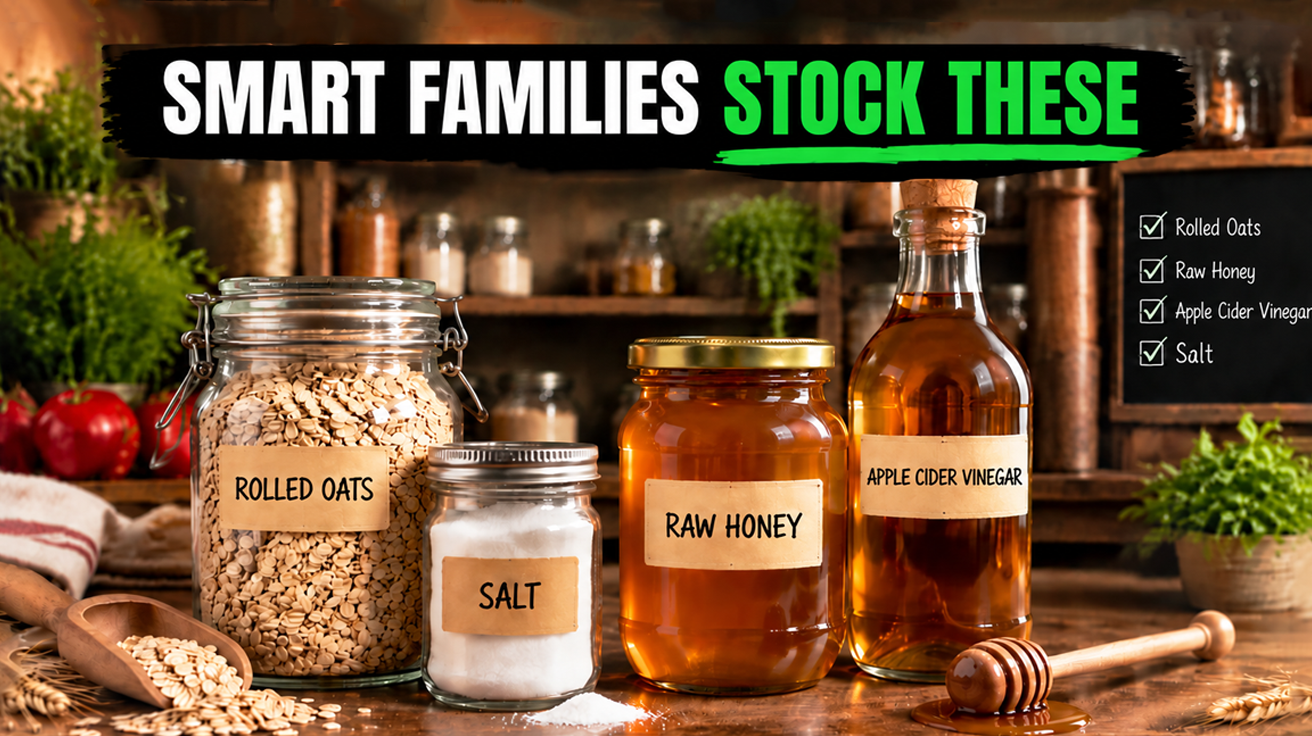
Supply chain disruptions are no longer theoretical; they’re regular news. Building a resilient home food supply is smart logistics, not paranoia. Food professionals evaluate items based on nutritional density, shelf stability, and versatile utility. This list details specific essentials that stand out for their impressive endurance and comprehensive nutritional profiles, ensuring your pantry delivers when primary sources fail.
16. Raw Honey

This naturally shelf-stable powerhouse doubles as medicine and energy source.
Sealed vessels of honey have remained chemically edible for millennia, making it the ultimate pantry staple. Its low moisture content, natural hydrogen peroxide, and inherent acidity act like a biological firewall, preventing microbial invaders. Beyond sweetening, this truly non-perishable food boasts documented antibacterial properties useful for minor wound care. Clinical studies show it works as a cough suppressant comparable to over-the-counter medications.
A single teaspoon delivers 64 calories of quick energy. Seek out raw, unfiltered honey; much commercial honey gets cut with corn syrup, which guts its functional value. When sealed and kept dry, honey can remain stable for decades or even centuries, though it may darken or crystallize over time. Crystallization is a normal quality change, not spoilage.
15. Freeze-dried Vegetables
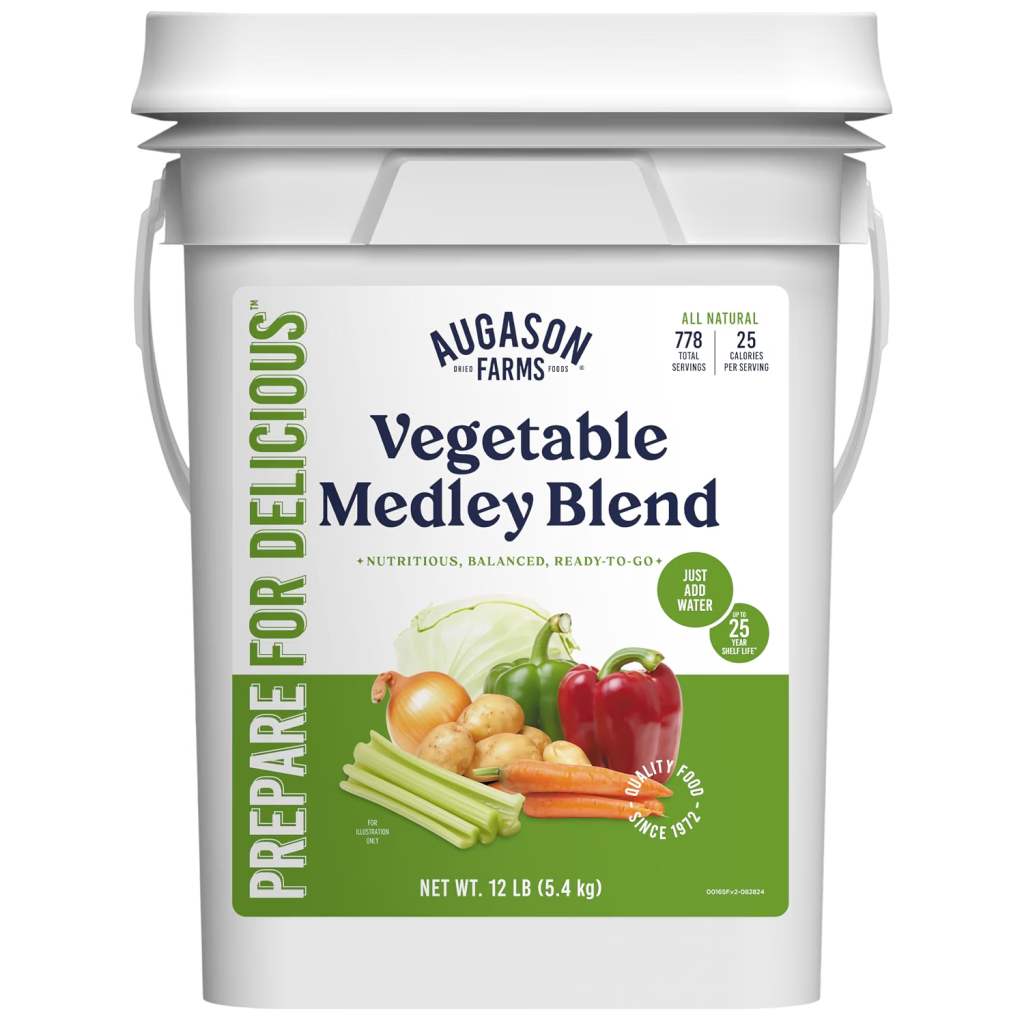
Nutrient retention meets decades-long shelf life in these lightweight powerhouses.
Vitamin C deficiency can manifest in just 4 to 6 weeks on a diet devoid of fresh produce. Freeze-dried vegetables offer a critical solution, retaining roughly 90 to 97% of their original nutritional content. These lightweight options rehydrate rapidly, turning survival rations into something resembling actual food.
Their shelf life of 25 to 30 years when properly sealed makes them a time capsule of nutrition, far outlasting canned or dehydrated options. While a number 10 can might cost $25 to $35, its nutritional punch over decades means the cost per serving is remarkably low. Stock at least three to five cans of varied greens like peas, corn, and green beans. Once opened, use them within months to about a year depending on storage conditions.
14. Long Grain White Rice
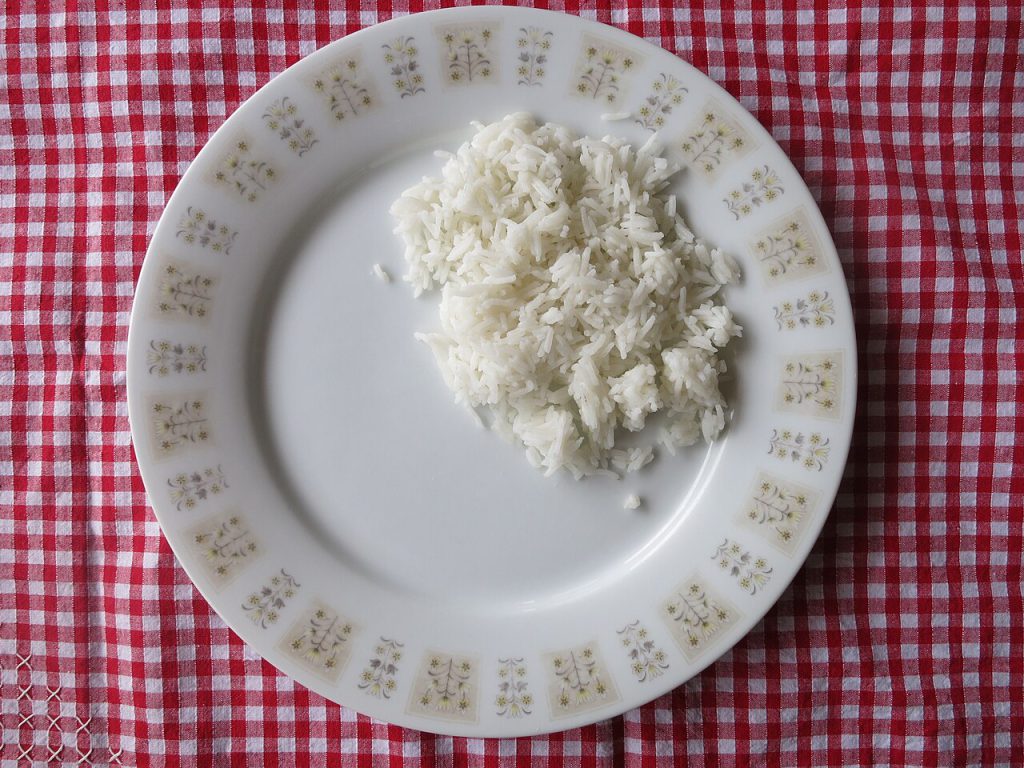
The bedrock of emergency calories stores for decades in proper conditions.
Long-grain white rice offers an impressive shelf life of 25 to 30 years when kept in sealed, food-grade containers with oxygen absorbers. This staple provides over 1,600 calories per pound. Global rice prices hit a 15-year high in 2023, with India, supplying 40% of global trade, imposing export restrictions.
Its caloric density and longevity are unmatched. Properly sealed polished white rice can store for 25 to 30 years in cool conditions, and around 10 years at a constant 70°F with oxygen absorbers. Storing two 25 lb bags in 5-gallon buckets with oxygen absorbers provides the caloric backbone for a multi-week family supply. This is practical mathematics for food security.
13. Dried Pinto Beans
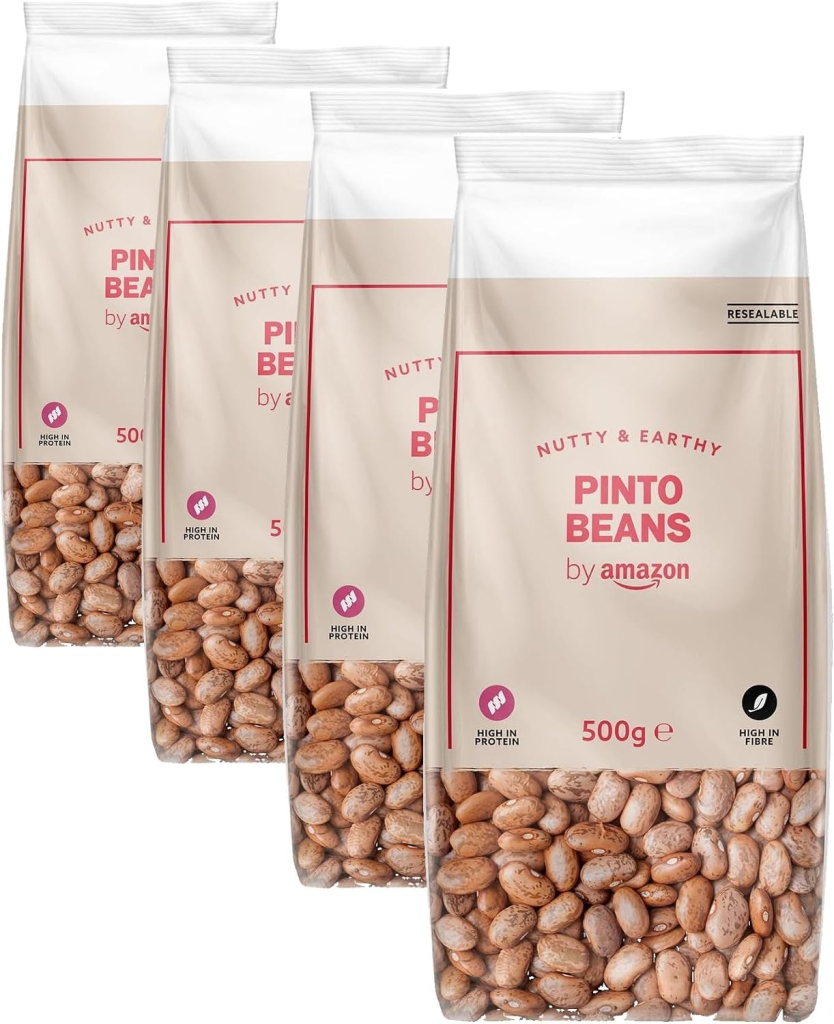
Paired with rice, beans deliver complete protein at pennies per serving.
Dried pinto beans combined with rice form a complete protein that delivers all essential amino acids your body cannot produce. This ancient pairing has sustained civilizations for millennia, proving animal protein isn’t always necessary to meet biological requirements. Properly sealed and stored, these humble beans boast decades-long shelf life when kept cool, dry, and sealed.
For approximately $1.50 per pound, a single pound expands to roughly six cups when cooked, offering exceptional value. Adding black beans and red lentils offers variety; lentils cook faster, crucial if fuel is limited. This combination forms the nutritional core of any robust emergency food plan.
12. Canned Tuna
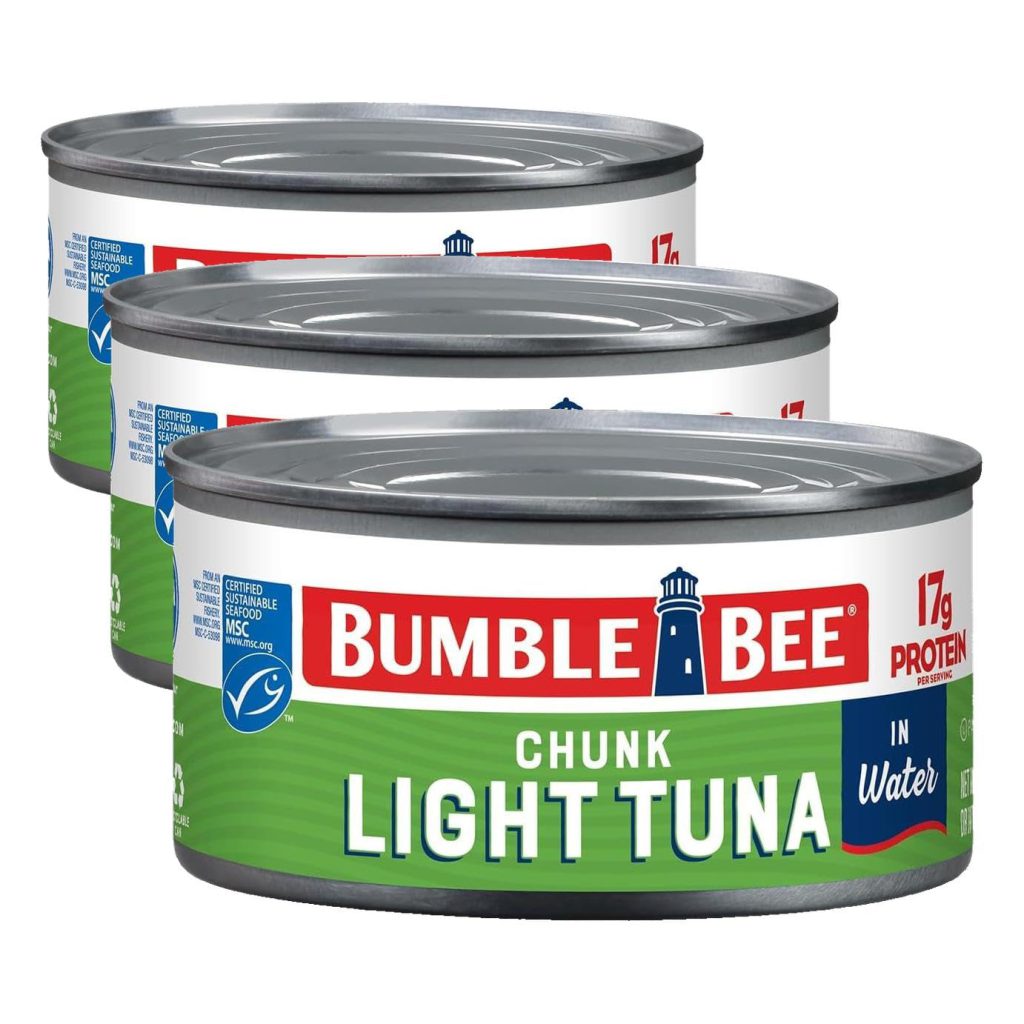
Ready-to-eat protein that requires zero cooking or refrigeration.
A standard can of tuna provides approximately 25 g of protein without requiring refrigeration, cooking, or elaborate prep. Manufacturers print a shelf life of 3 to 5 years, yet food safety researchers confirm properly sealed, undamaged cans remain edible long after those dates, reflecting quality guidance more than actual spoilage.
Its ready-to-eat nature makes it ideal for emergencies. The canned tuna market operates on thin margins, keeping backstock minimal; this means supply chains are notoriously slow to recover during demand spikes. For reliable protein during unforeseen disruptions, stocking 20 to 30 cans of canned fish or similar items is a smart move.
11. Canned Salmon
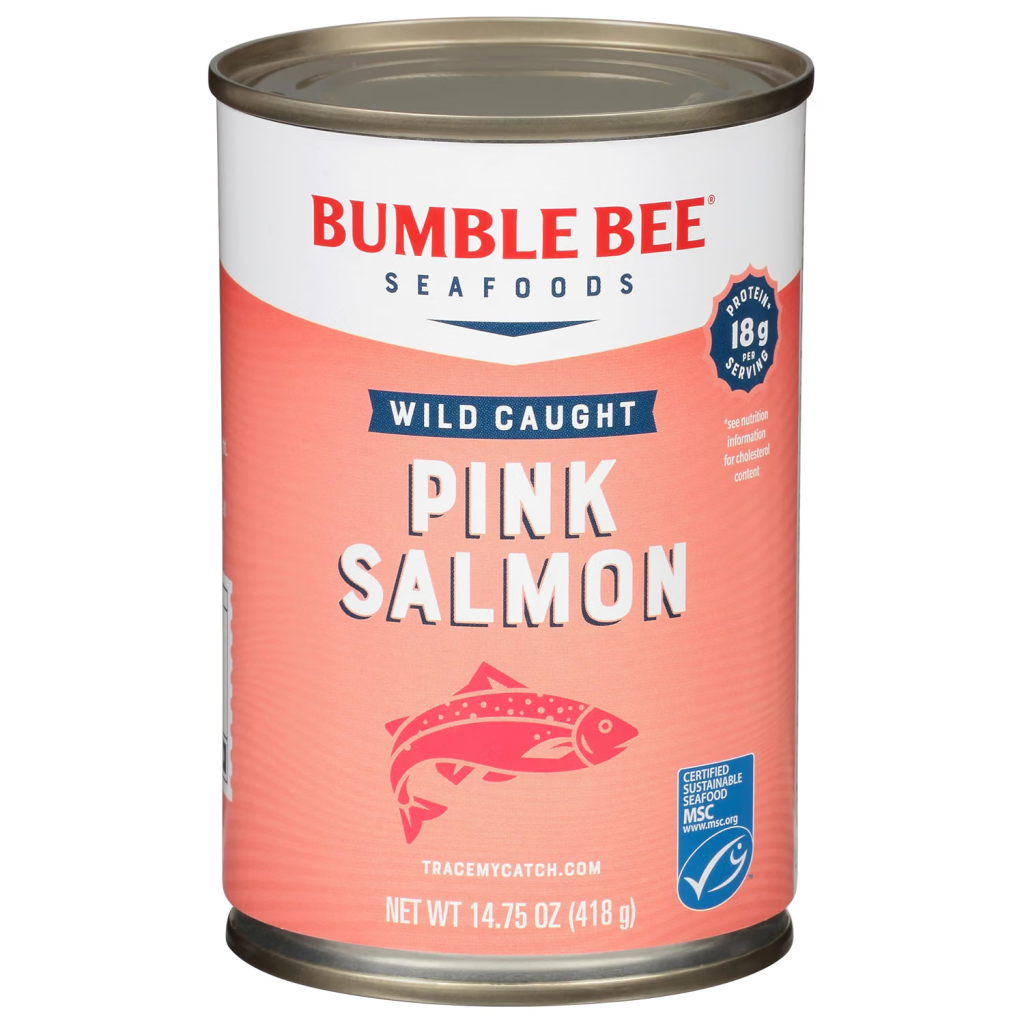
Omega-3 fatty acids distinguish this shelf-stable protein source.
Unlike canned tuna, salmon brings distinct nutritional advantages. It’s rich in omega-3 fatty acids, diversifying essential nutrient intake crucial for sustained health under duress. This convenient, no-cook protein requires no refrigeration and boasts a shelf life typically of 3 to 5 years, often much longer if sealed and undamaged. Buying in bulk helps optimize per-unit costs and stack your pantry effectively.
10. Apple Cider Vinegar

Self-preserving acidity makes this culinary workhorse virtually immortal.
Apple cider vinegar’s inherent acidity ensures it remains stable indefinitely when sealed at room temperature. A gallon jug, typically costing $6 to $8, provides months of utility. It functions like a culinary utility knife, extending the life of fresh vegetables from days to weeks through pickling when fresh produce is scarce.
Stirring a tablespoon into monotonous rice and beans elevates emergency meals into something palatable, profoundly impacting morale. It also cleans surfaces and can support digestion. This reflects accumulated practical knowledge, not trendy hacks.
9. Rolled Oats
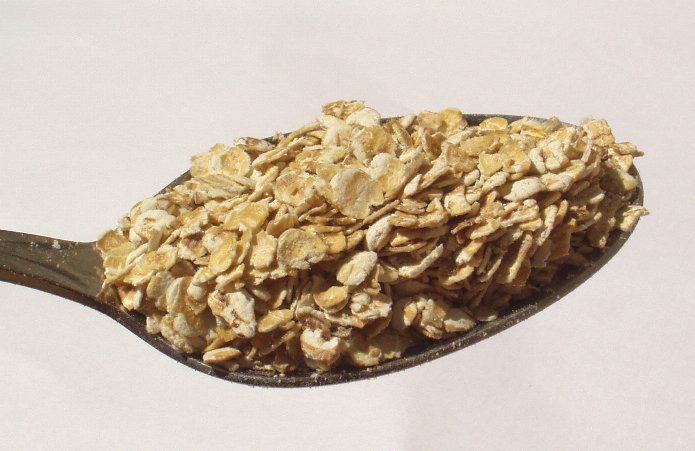
High fiber and protein in a surprisingly versatile, decades-stable package.
A single cup of dry rolled oats delivers approximately 300 calories, making it an underestimated powerhouse in emergency preparedness. This fiber is crucial in an emergency, as sudden dietary shifts can wreak havoc on digestion. A large canister runs about $4 to $6 for 30 servings, translating to roughly 20 cents per meal.
Stored in sealed containers with oxygen absorbers, oats maintain quality for years, especially when protected from heat, light, and moisture. They shift from breakfast to soup thickener or even flour, proving that sometimes the simplest solutions are the most resilient.
8. Salt
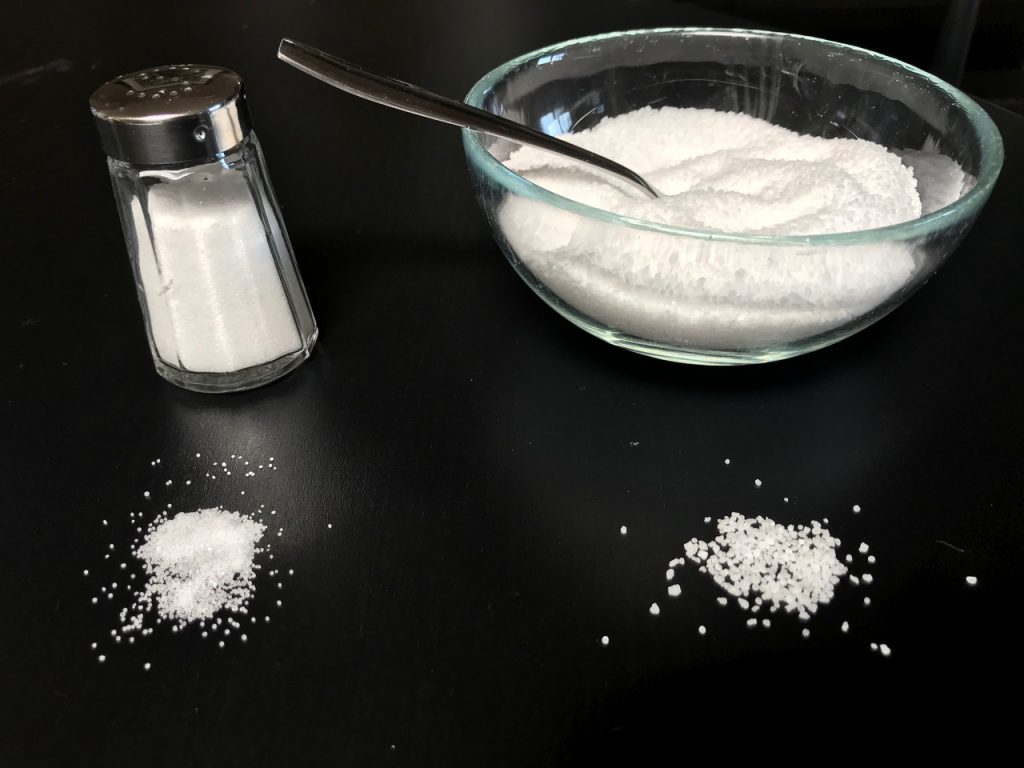
Essential mineral for physiology, preservation, and long-term food storage.
Overlooking salt in an emergency pantry is a fundamental error. Your body cannot operate correctly without adequate sodium, which is physiologically essential for fluid regulation, nerve signal transmission, and muscle function. Deficiency can develop with visible health consequences in a prolonged scenario of eating simple whole foods.
Beyond biology, this humble mineral acts as a preservation agent through curing, brining, and pickling. A 4 lb box of plain iodized salt costs approximately $2 and, being a mineral, does not expire, remaining indefinitely stable if kept dry. In a shortage, having salt puts you in a fundamentally different position than those without it.
7. Peanut Butter
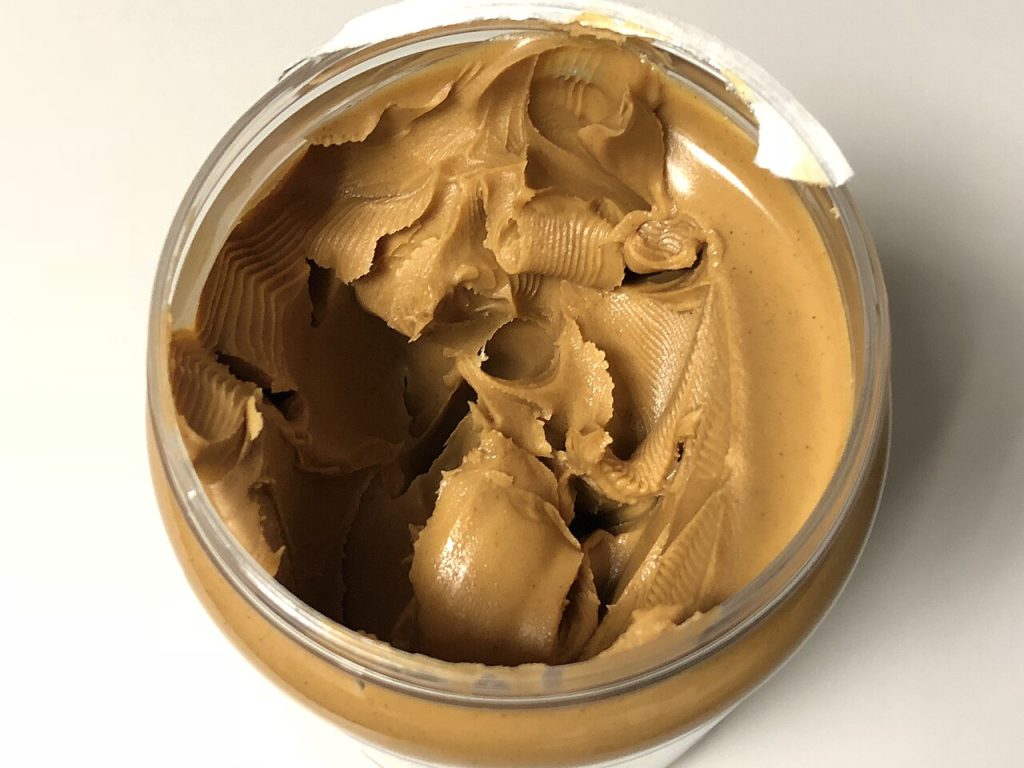
Calorie-dense, protein-rich convenience in a jar requiring zero preparation.
A two-tablespoon serving of peanut butter delivers 200 calories and 7 g of protein, providing immediate, high-density sustenance straight from the jar. This calorie-rich staple is shelf-stable for one to two years when sealed, practical for emergency feeding with children. It requires zero preparation, performing like instant energy insurance.
Smart consumers compare store brand and name brand for typical $3 to $4 savings on identical jar sizes. Stock five to eight jars, sealed in a cool, dark spot; it functions as both comfort food and high-performance emergency nutrition, a true nutritional Swiss Army knife. Once opened, it can remain usable for months depending on the product and storage conditions.
6. Canned Tomatoes
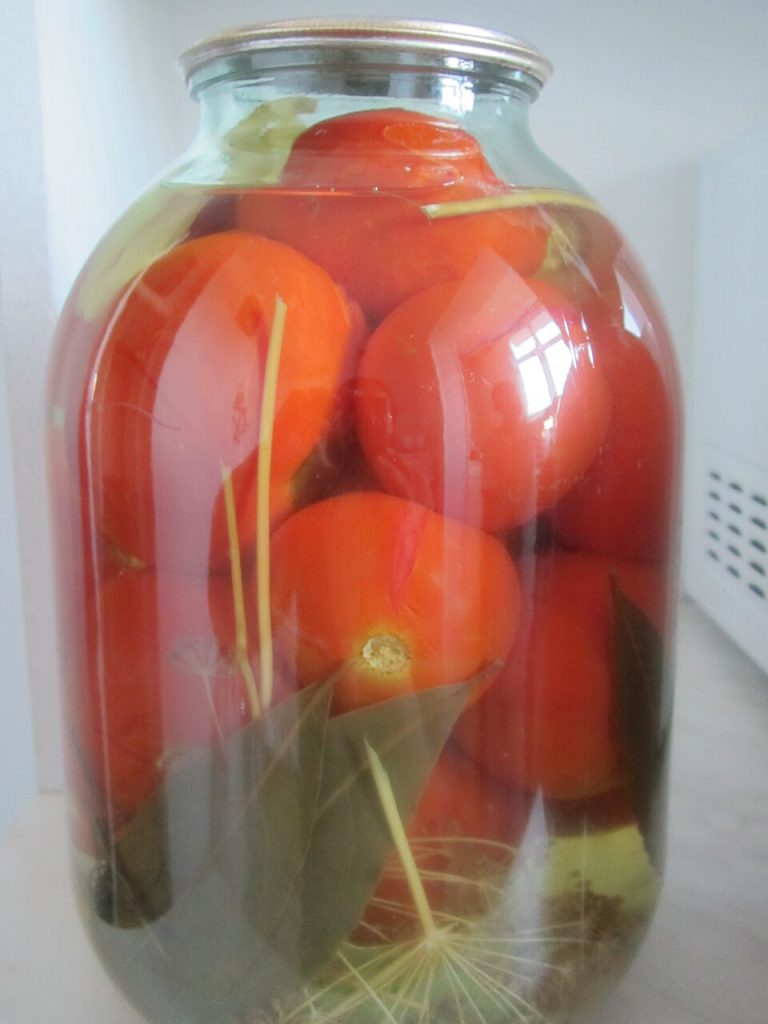
Flavor, acidity, and vitamin C transform repetitive meals into bearable ones.
Eating the same rotation of rice, beans, and canned protein for weeks can turn mealtime into a grim ritual, eroding morale faster than expected. Canned tomatoes offer a critical psychological solution, transforming simple ingredients into something resembling an actual meal. They serve as a versatile base for soups, stews, pasta sauces, and grain dishes, adding much-needed acidity, depth, and flavor complexity.
Beyond morale, they deliver valuable vitamin C and lycopene. Stock 20 to 30 cans in diced, crushed, and paste formats, remembering that paste concentrates enormous flavor into minimal volume. Commercially canned tomatoes are stable for long storage when sealed and undamaged. These unassuming cans are what make repetitive meals genuinely bearable.
5. Canned Chicken
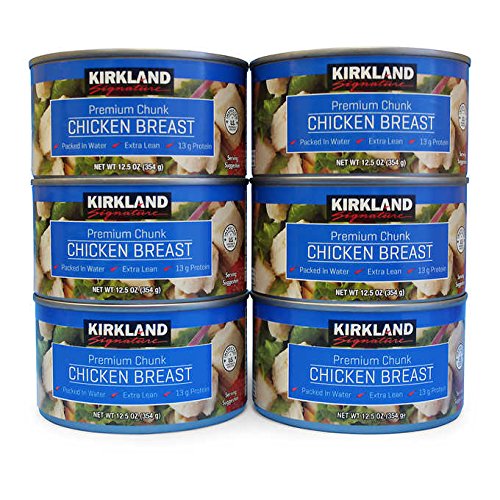
Substantial protein in stable, shelf-ready format requiring no power or fuel.
A single can of chicken delivers roughly 60 g of protein, crucial when facing power outages or kitchen equipment failures. This ready-to-eat option requires zero cooking setup; simply open the can. Add it directly to pasta, rice, or flatbread, making it an indispensable protein source.
Its typical shelf life of 3 to 5 years offers peace of mind. Yet, avian influenza outbreaks have reduced commercial flock sizes since 2023, tightening poultry supply. Stock 12 to 20 cans and rotate them regularly; protein is non-negotiable for maintaining cognitive function and physical capacity under sustained stress. Unopened cans remain safe well beyond the printed date if undamaged and properly stored.
4. All-Purpose Flour
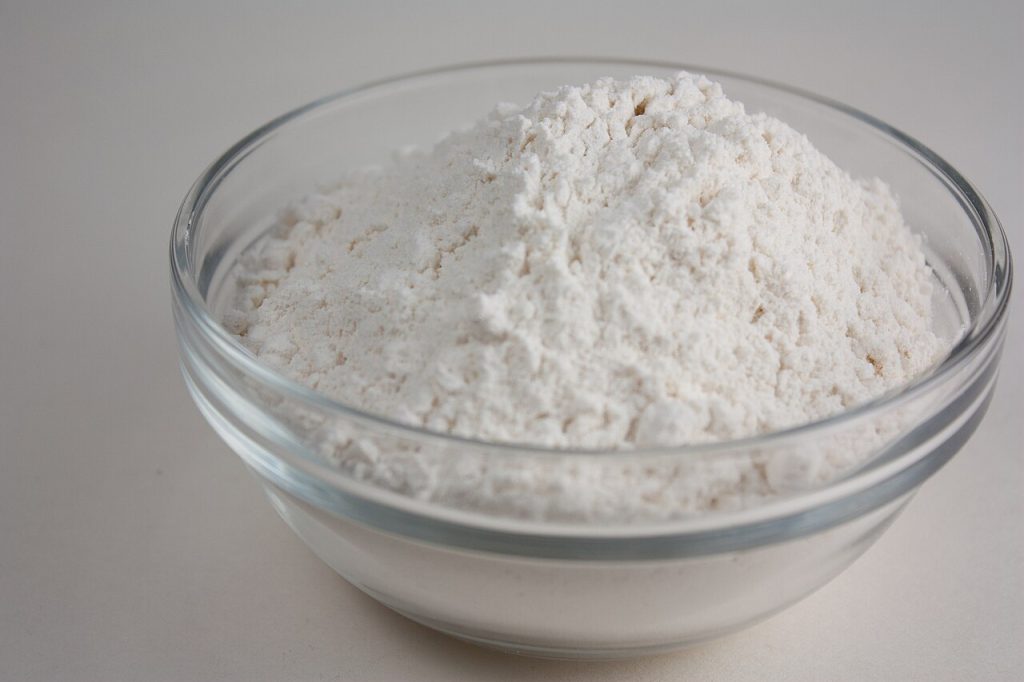
Transforms stored staples into familiar meals with proper sealing techniques.
Standard all-purpose flour lasts about 1 year in its paper bag. However, sealed in moisture- and oxygen-controlled packaging like Mylar with oxygen absorbers, its shelf life can extend dramatically to several years. This enables a profound psychological shift: moving from merely consuming to actively baking.
With flour, water, and salt, you can craft bread, tortillas, or pancakes. A 5 lb bag costs $3 to $4, providing dozens of meals. Learning simple no-yeast recipes changes how a difficult situation feels entirely. Proper packaging matters significantly for extending quality.
3. Powdered Milk
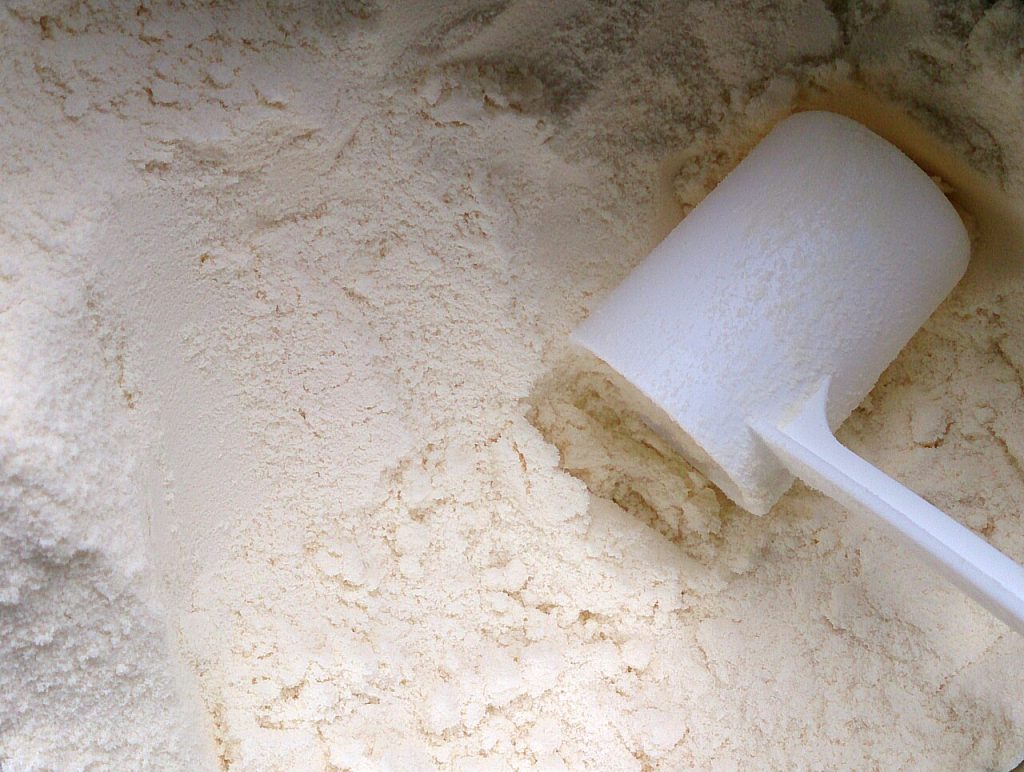
Calcium and protein without refrigeration, designed for very long shelf lives.
Fresh milk’s brief shelf life makes it a logistical liability; any disruption to refrigeration turns it unusable quickly. Powdered milk, especially nitrogen-sealed Number 10 cans from long-term storage companies, offers a robust alternative. These specialized containers are designed for very long shelf lives, often 20 to 25 years without significant quality degradation when sealed and stored properly.
When reconstituted, one cup provides 80 calories, 8 g of protein, and nearly 30% of daily recommended calcium, making it valuable for households with children. It also serves as a versatile cooking ingredient, expanding options from bread dough to cream soups. Start with two to three large containers and ensure they remain sealed and dry.
2. Dried Pasta
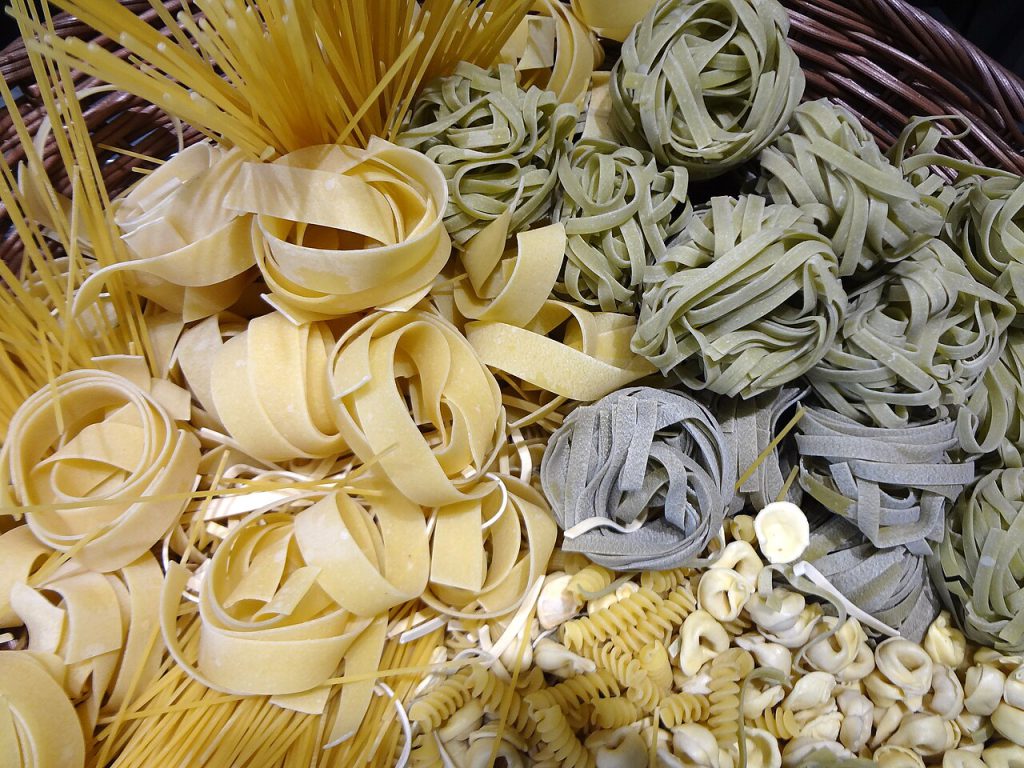
Minutes to comfort food with decades-long storage potential in proper packaging.
Dried pasta answers the call for culinary simplicity under pressure. Boil water, add the pasta, and a comforting, familiar meal is ready in minutes, needing minimal skill or equipment. This pantry staple lasts 2 to 3 years in its original packaging.
When sealed in airtight, moisture-proof storage with oxygen control like Mylar bags with oxygen absorbers, shelf life extends significantly to many years or even decades. A single pound delivers roughly 1,600 calories, offering prime caloric value. Combined with canned tomatoes and olive oil, it provides recognizable, complete meals, offering a taste of home.
1. Cooking Oil
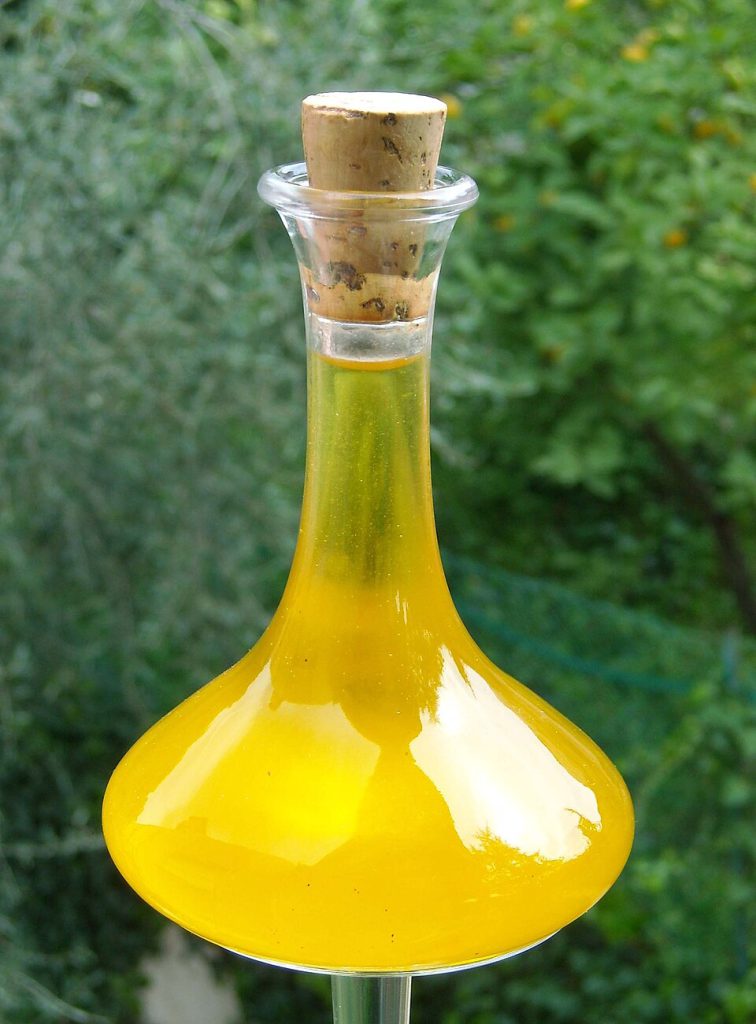
Essential for vitamin absorption and dense calories often overlooked in planning.
Many emergency food lists overlook cooking oil, a critical oversight. Your body cannot absorb fat-soluble vitamins A, D, E, and K without dietary fat, meaning an oil-free diet wastes other stored nutrients. Fat also delivers 9 calories per gram, providing essential dense energy crucial in calorie-restricted scenarios.
Ongoing instability with Ukrainian sunflower oil and Canadian canola crops since 2022 makes consistent cooking oil supply less reliable. Aim for four to six bottles, marking and rotating them to avoid rancidity; store in a cool, dark place away from moisture and direct sunlight. Rancid oil is both unpleasant and nutritionally compromised.