Napoleon Jones was standing in a private parking lot in Waukesha County, Wisconsin, phone out, recording a traffic stop across the street. Courts have repeatedly upheld that right. What happened next landed him in federal court — not as a defendant, but as a plaintiff alleging that sheriff’s deputies used a license plate surveillance system to track him more than 100 times after he filed a complaint about his arrest.
What Flock Actually Does
Every search is logged — which matters a lot more than most agencies apparently realized.
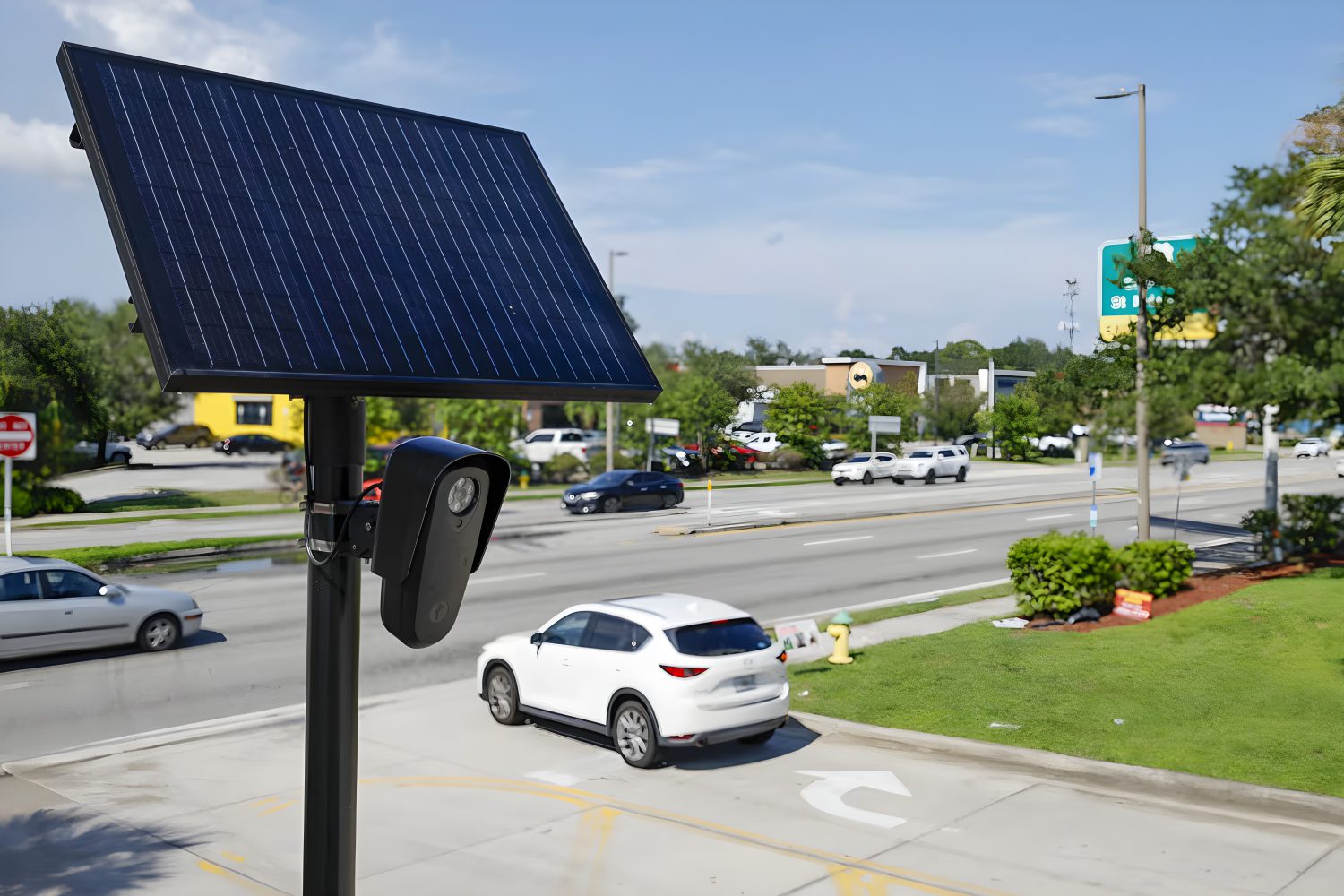
Flock Safety’s ALPR cameras photograph passing vehicles and convert that data — plate numbers, makes, models, timestamps, locations — into a searchable law enforcement database. Every manual search is supposedly captured in an audit trail. Here’s what that looked like in practice, according to court records and local reporting by TMJ4:
- Jones recorded a traffic stop from a private Waukesha County parking lot
- A deputy approached; Jones was pulled from his vehicle and arrested
- Jones filed a citizen complaint alleging arrest without probable cause
- After that complaint, sheriff’s personnel searched his plate in Flock more than 100 times
- A lieutenant authorized the searches; at least one deputy under investigation for the incident ran them too
- Jones’s amended federal lawsuit alleges this pattern constitutes retaliatory surveillance for First Amendment–protected activity
The Waukesha County Sheriff’s Office’s own written Flock policy states: “Department personnel are prohibited from using Flock provided data except for legitimate law enforcement purposes.” One hundred searches. One complainant. The gap between that policy language and the search volume is the core of Jones’s lawsuit.
A Pattern, Not an Anomaly
Flock’s audit trail functions like a gym’s security camera — it records everything, but no one reviews the footage until something has already gone wrong.
Deputies claim the searches were tied to an internal investigation and aimed at verifying a temporary registration display. Jones’s lawsuit argues the volume — more than 100 queries — is inherently suspect. Both things can be technically true and still tell a damning story.
A USA TODAY investigation found at least 19 officers across five states arrested, fired, or suspended for Flock misuse. One Texas officer ran a single plate 3,400 times. Milwaukee officer Josue Ayala was charged after allegedly tracking a romantic partner and her ex more than 170 times in roughly two months, per New York Times reporting. Reporters tracking these incidents describe their tallies as “floors, not ceilings.” A public audit tool — HaveIBeenFlocked.com — even lets you check whether your own plate has been repeatedly queried. The tool’s existence reflects how rarely internal oversight catches misuse before victims request records themselves.
Flock acknowledged it “took too long to act” and has since deployed an “abnormal search activity” feature that flags and suspends accounts showing aberrant query behavior, according to The Guardian. The audit logs existed long before this fix, though. Misuse kept surfacing anyway — discovered almost exclusively when victims requested records, not through proactive departmental review.
Jones’s lawsuit won’t just determine what happened to one man in a Wisconsin parking lot. It will test whether a surveillance system’s audit trail is evidence of accountability, or simply a very detailed record of how retaliation works.