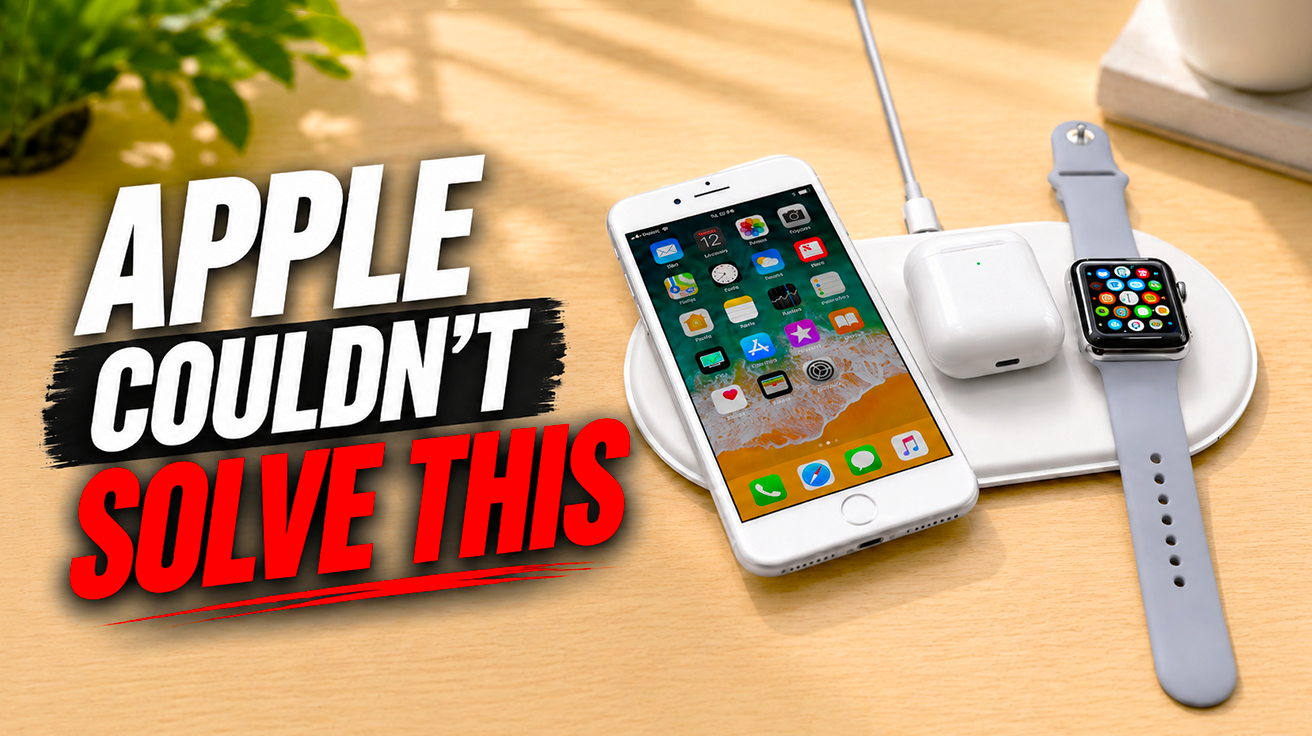
Tech companies collectively invest billions into new gadgets, yet many end up on the digital scrap heap faster than a TikTok trend. Understanding this cycle of innovation and inevitable obsolescence offers a clearer view into what consumers actually want versus what companies think they want. Anyone who has bought a “next big thing” only to see it vanish faster than a free sample at Costco knows the feeling. These devices promised the moon but delivered something far less luminous. This rigorous selection process focused on items that genuinely tried to push boundaries, highlighting both their initial sparkle and their ultimate fade. The insights here explain why some bright ideas just don’t stick.
13. Humane AI Pin
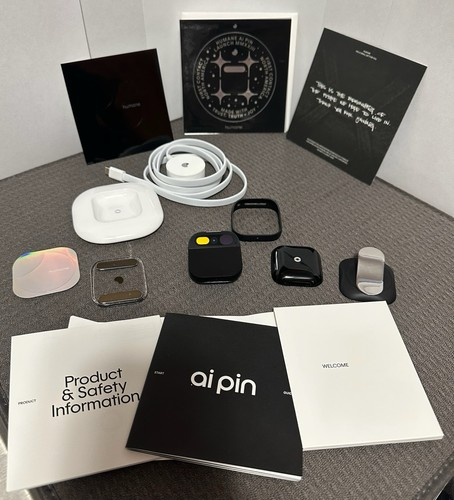
A screenless wearable that promised liberation from smartphone addiction but couldn’t escape its own engineering constraints.
The Humane AI Pin arrived with the audacious promise of severing our reliance on smartphone screens. This screenless, magnetically attached wearable featured a 720p ‘Laser Ink’ projector that displayed a UI on the palm, controlled by intuitive gestures, running its custom CosmOS. It aimed to be a true smartphone alternative, liberating users from endless scrolling.
However, this futuristic vision stumbled hard on practicalities. The device frequently overheated, and its limited battery life died mid-task, turning a sleek concept into a warm paperweight. HP’s acquisition of Humane’s software platform for approximately $116 million ultimately led to the AI Pin’s discontinuation, effectively ending its short, ambitious run.
The device demonstrated that a bold conceptual leap doesn’t guarantee functional execution. From hyped innovation to obsolescence within months, the AI Pin serves as a potent reminder that even the most visionary tech must first master the basics.
12. Microsoft Band
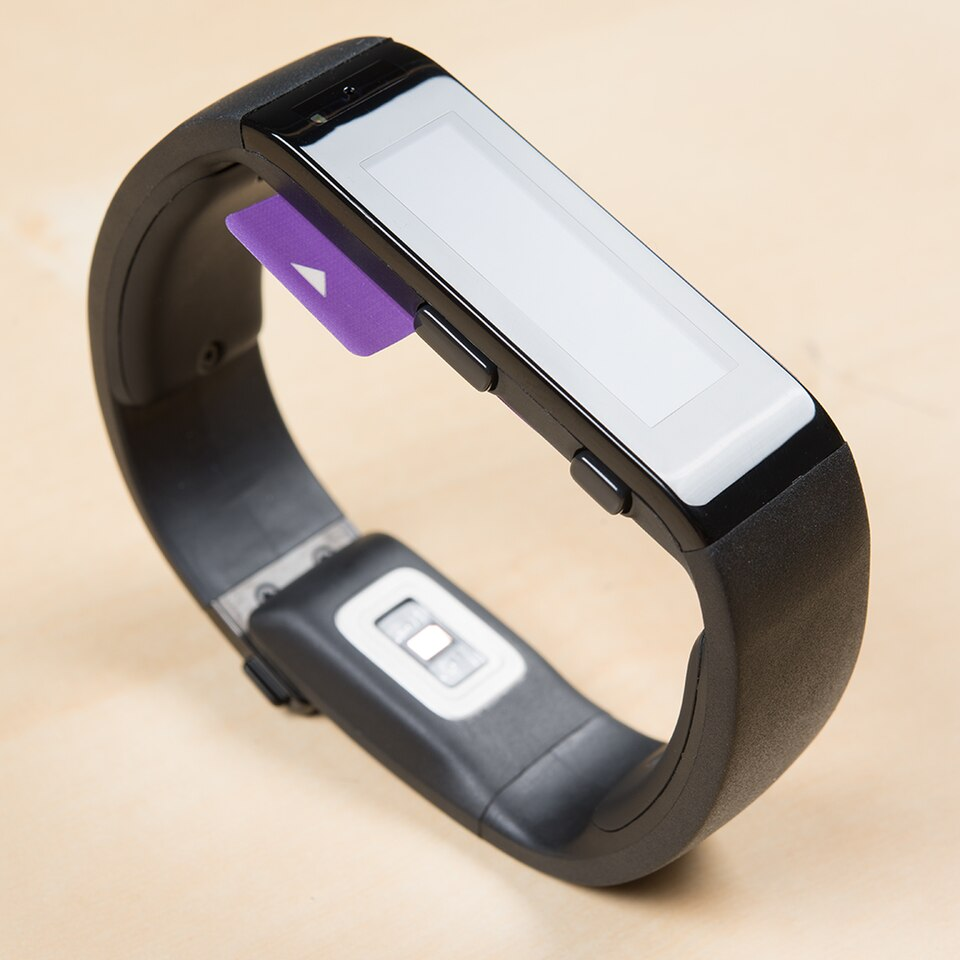
A sensor-packed fitness tracker that promised comprehensive health monitoring but fell apart at the seams.
Sporting a remarkable 10 sensors, the Microsoft Band aimed to be a comprehensive health companion. This tracker packed an optical heart-rate monitor, GPS, UV sensor, and galvanic skin response, all visible on its 1.4-inch color display. It seamlessly integrated with Microsoft Health apps, tracking workouts and sleep across Windows Phone, iOS, and Android. At launch, its $199 price point promised a unified vision of personal data.
However, the Band’s ambitious sensor suite often clashed with basic wearability. The strap degraded quickly, a widespread issue that led to user discomfort and frustration after roughly six to eight months of use.
Trying to sync meticulous workout data became pointless when the band literally fell apart. Microsoft eventually ceased development, offering refunds of approximately $79.99 for Band 1 and $175 for Band 2. Its hardware simply couldn’t keep up with its intelligent design.
11. Xbox Kinect
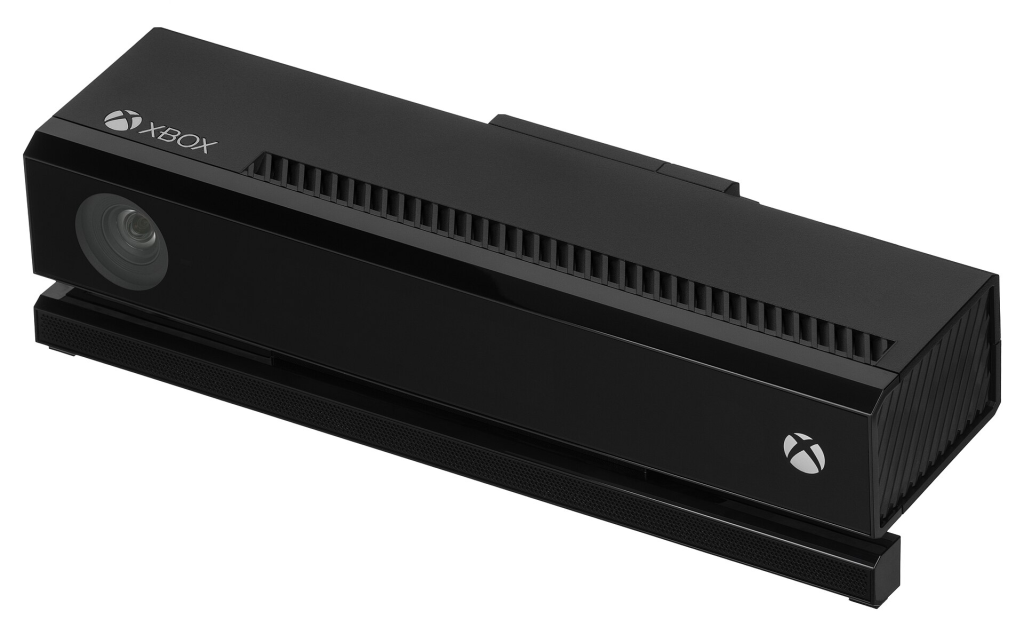
Gesture control that turned living rooms into motion-sensing playgrounds but exhausted users faster than it captivated them.
Gesture control, once confined to Tom Cruise’s digital desk in Minority Report, entered living rooms with the Xbox Kinect. Microsoft launched this motion-sensing camera accessory for the Xbox 360 in November 2010, and later for Xbox One in November 2013. It combined an RGB camera, depth sensor, and a microphone array, promising that “You are the controller.” The ambitious peripheral shipped approximately 35 million sensors, a serious bid to redefine how players interacted with games.
The promise, however, often tangled with reality. Limited game support left many owners underwhelmed, and those repetitive arm swipes led to quick user fatigue. Family game nights devolved into arms flailing for the tenth time, trying to get the system to register a move, maybe even yelling at it.
Despite these hurdles, Kinect’s underlying technology found a second life. The developer-focused Azure Kinect DK, released in 2020 and discontinued in October 2023, pivoted from living room entertainment to industrial applications in logistics, robotics, healthcare, and retail, showcasing its lasting impact beyond console gaming.
10. Apple AirPower
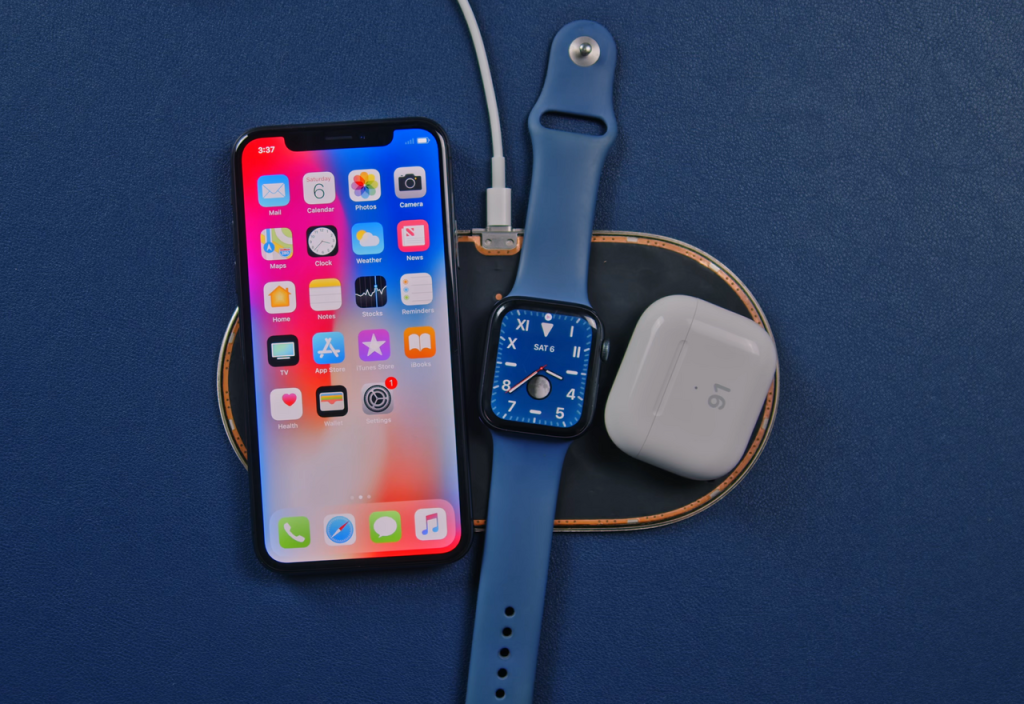
An ambitious wireless charging mat that couldn’t achieve Apple’s high standards and never saw the light of day.
Apple’s public admission on March 29, 2019, that its ambitious AirPower charging mat would not see the light of day marked a rare moment of vulnerability for the tech giant. Unveiled in September 2017 with a promise for early 2018 availability, the AirPower was designed to charge an iPhone, Apple Watch, and AirPods concurrently, all without precise placement. Many users, eager to declutter their nightstands, anticipated a streamlined charging experience.
This vision was to be achieved using over 20 overlapping charging coils, a technical feat that proved insurmountable. Engineering challenges like overheating, pervasive interference between coils, and complex power management issues plagued the device’s development. Coordinating multiple devices and mixed charging standards—Qi for iPhone and AirPods, proprietary for Apple Watch—added layers of complexity.
“After much effort, we’ve concluded AirPower will not achieve our high standards and we have cancelled the project,” stated Dan Riccio, Apple’s SVP of hardware engineering. The cancellation served as a stark reminder that even a company known for its flawless launches can hit a wall when pushing the boundaries of physics.
9. 3D-enabled Phones
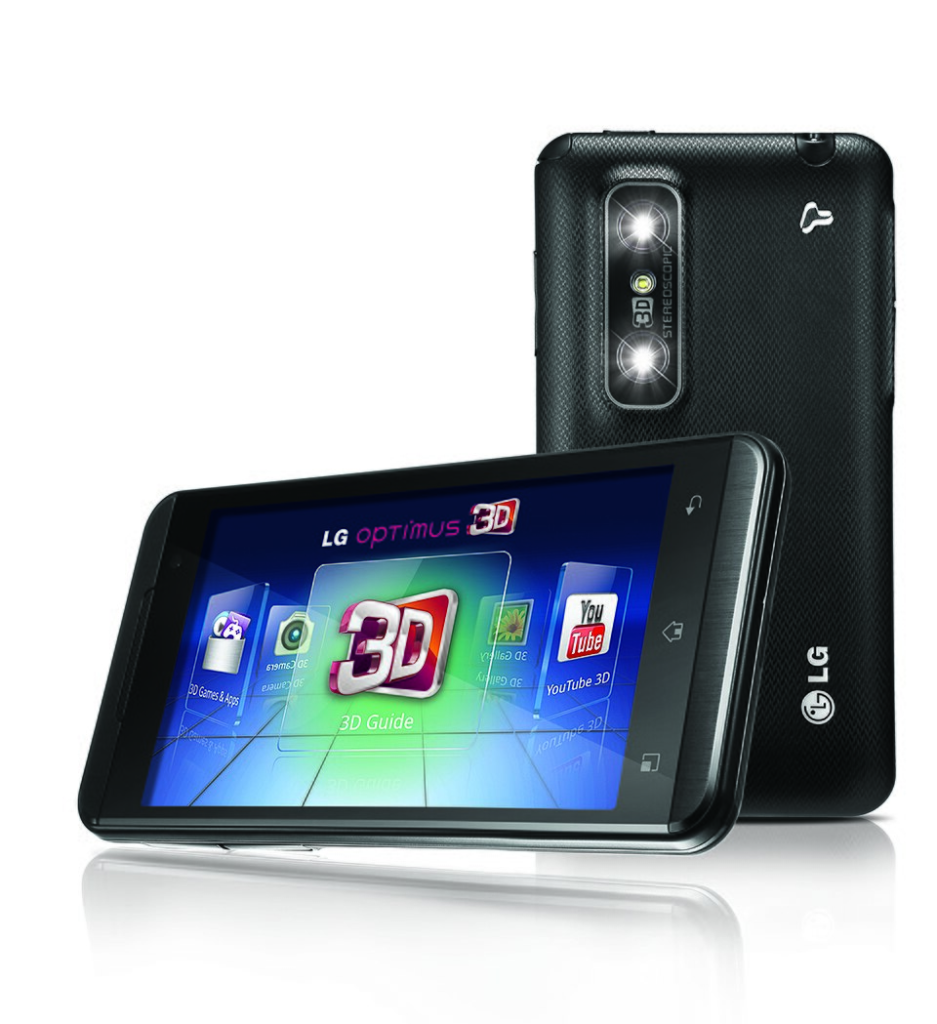
Glasses-free depth perception that felt more like a gimmick than the future of mobile displays.
The LG Optimus 3D, also known as the LG Thrill 4G, debuted with a 4.3-inch 480×800 parallax-barrier LCD, promising glasses-free depth perception. This device featured dual 5 MP rear cameras designed to capture 3D photos and 720p 3D video, complete with a dedicated 3D button that felt more like a novelty than a necessity. Under the hood, a Texas Instruments OMAP4430 dual-core 1 GHz processor and 512 MB RAM powered an experience that was, at best, a fleeting curiosity.
Trying to snap a decent 3D photo often required holding the phone at a specific angle, with viewing positions so precise they broke the illusion with any slight head movement. The phones quickly earned a reputation for being gimmicky, bulky, and sporting battery life that withered quickly.
Limited app support meant users were mostly staring at pre-loaded content. When a feature sounds cool on paper but is a nightmare in practice, it becomes a cautionary tale. Industry retrospectives described 3D phones as a brief “technological dead end,” with consumer demand never materializing and manufacturers abandoning the category entirely.
8. Adobe Flash / Adobe Flash Player

The multimedia platform that powered the early internet’s interactivity but became a notorious security liability.
Adobe Flash was a multimedia platform that powered much of the internet’s early interactivity, shaping a digital landscape where anything felt possible. Its browser runtime, Adobe Flash Player, delivered web animations, interactive sites, games, and embedded video players throughout the 2000s and early 2010s. Banner ads, Homestar Runner cartoons, and countless browser games ran on Flash.
Yet, despite its widespread adoption, Flash Player became a notorious headache for developers. It was plagued by security vulnerabilities, persistent performance issues, and a glaring lack of mobile support. As HTML5 emerged as a more stable alternative, the writing appeared on the wall.
Adobe announced Flash Player’s end of life in July 2017, with support ending December 31, 2020. As of that date, Adobe stopped updates and distribution, recommending all users uninstall it. Beginning January 12, 2021, Adobe blocked Flash content from running in current global builds, while browser vendors and OS makers removed Flash components via updates. The internet moved on, leaving behind a foundational, yet deeply flawed, piece of its history.
7. Amazon Fire Phone
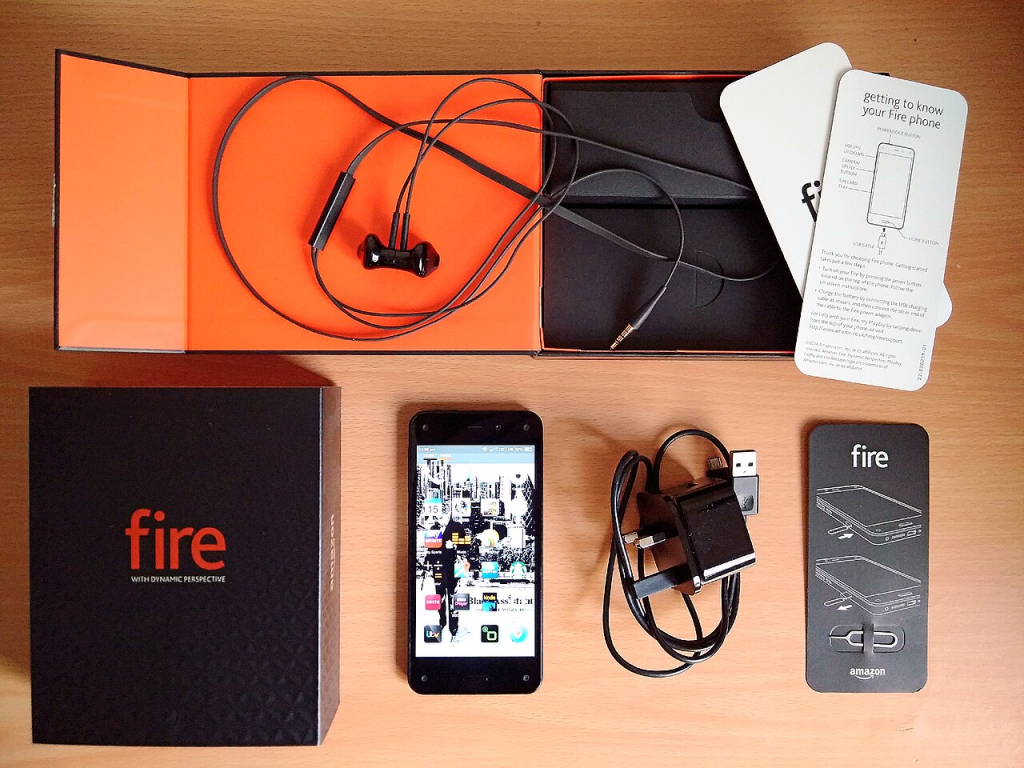
An AT&T-exclusive smartphone with innovative head-tracking technology that couldn’t overcome its software limitations.
Amazon, a retail giant synonymous with seamless online experiences, launched its first and only smartphone, the Fire Phone, in July 2014. This AT&T-exclusive device boasted a 4.7-inch 720p IPS LCD with Gorilla Glass 3 on front and back, and a Qualcomm Snapdragon 800 SoC with 2 GB RAM. Its real hook was “Dynamic Perspective.” Four specialized low-power infrared cameras, each with a roughly 120° field of view and IR LEDs, tracked head position in real time, creating a 3D-like user interface that redrew scenes from different angles.
However, the novelty wore thin quickly. Critical reviews consistently pointed out its bare-bones software, an underdeveloped OS, and an unintuitive interface that often felt like a chore. Tilt controls felt more awkward than intuitive, and the feature set couldn’t justify the learning curve.
With its 2400 mAh battery and specs that quickly felt dated, it struggled to compete with established rivals. Amazon ceased production and effectively discontinued the Fire Phone by August–September 2015, marking one of the fastest exits in modern mobile history and Amazon’s only foray into smartphone hardware.
6. Nintendo DS Family
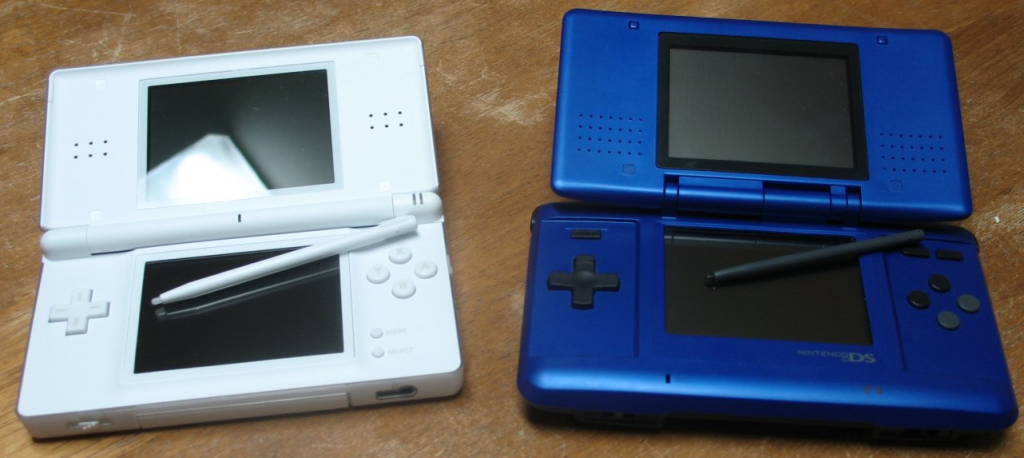
A dual-screen dynasty that sold 154 million units and redefined mobile gaming before giving way to the Switch.
With approximately 154 million units sold across its various iterations, the Nintendo DS family redefined mobile gaming for a generation. The original DS, launched in 2004, introduced a revolutionary dual-screen design and a tactile touchscreen system controlled with a stylus. Navigating menus felt fresh and interactive in ways traditional buttons couldn’t match.
This era saw the DSi and DSi XL enhance the experience further, adding faster CPUs, larger screens, cameras, and an SD slot, collectively selling over 41 million units. The Nintendo 3DS family sold around 75.9 million units worldwide, delivering immersive stereoscopic 3D visuals without glasses and backward compatibility with DS games.
Production of all 3DS-family systems officially ended in September 2020. The 3DS eShop’s March 2023 shutdown marked a definitive end, with most Nintendo Network services for 3DS and DS closing in April 2024. The versatile Nintendo Switch, launched in 2017, then served as the DS family’s spiritual successor, mastering its own dual-nature trick as both home console and handheld.
5. Apple iPod Line
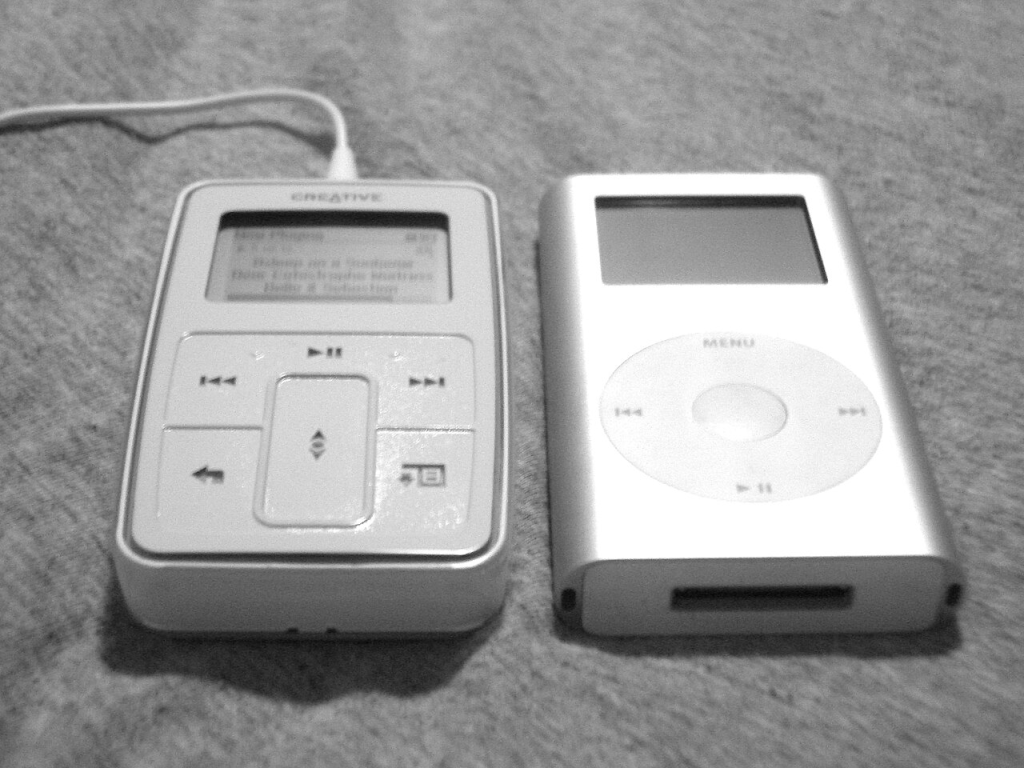
The pocket-sized revolution that defined digital music for 21 years before smartphones rendered it redundant.
The year 2001 ushered in a new era of personal music, with the iPod making its debut that October. This device wasn’t just a portable player; it was a compact, aluminum-clad revolution, promising “1,000 songs in your pocket.” Scrolling thousands of tracks with the iconic click wheel offered a tactile satisfaction that felt distinctly analog in a digital world. The original iPod Classic boasted 5–10 GB storage via FireWire, defining a generation’s digital listening before smartphones took over.
The iPod line evolved, transitioning to USB connectivity and introducing the iPod Mini, screenless Shuffle, flash-based Nano with color display and video support, and the iOS-based iPod touch. Apple gradually phased out these dedicated devices as smartphones assimilated music playback.
The Classic was discontinued in 2014. The Nano and Shuffle followed in July 2017, ending Apple’s production of standalone screenless and small-screen music players. The final iPod touch (7th generation) was retired on May 10, 2022, with Apple continuing to sell remaining stock “while supplies last.” After about 21 years, the iPod line formally ended, a transition that sparked nostalgia for these simpler, dedicated devices.
4. Microsoft Zune
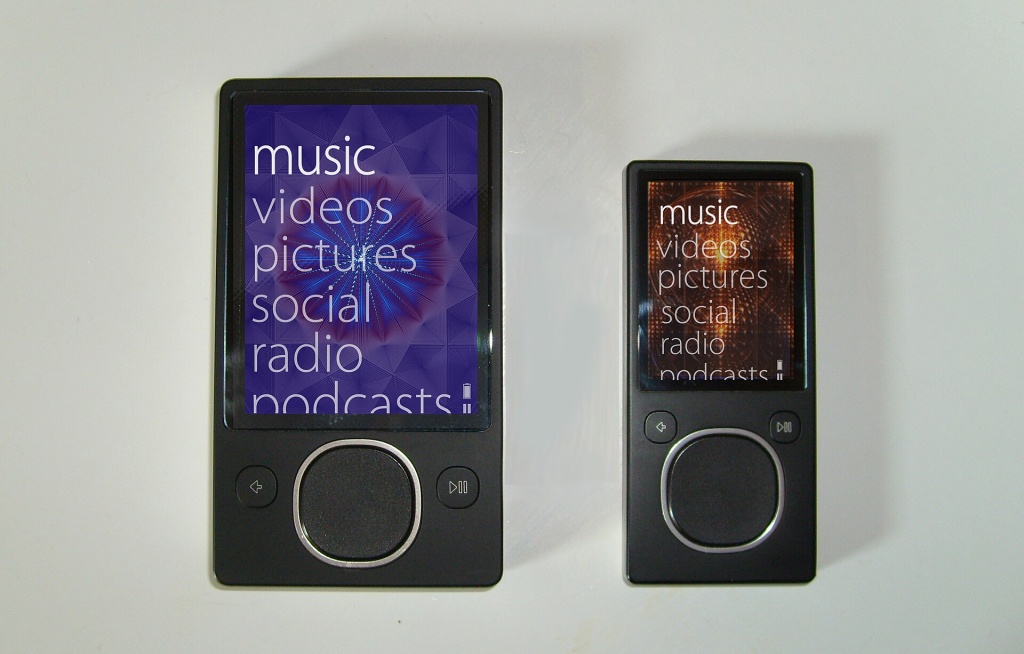
A well-designed iPod alternative that captured only 2% of the market and folded after five years.
Microsoft stepped into the portable media player arena in November 2006 with the Zune, aiming to offer an alternative to the iPod’s dominance. While early models included the hard-drive Zune 30, the later Zune HD, launched in 2009, earned positive reviews from outlets like IGN, Ars Technica, and Engadget. Its vibrant OLED screen and user-friendly interface promised a sleek experience for anyone tired of the usual suspects.
Despite promising features, the Zune never truly caught fire. It struggled with tepid demand, consistently holding only around 2% of the portable media player market compared to the iPod’s dominant share. Microsoft announced in March 2011 that no new Zune hardware would be developed, and formally stopped producing Zune players in October 2011.
For those who wanted something beyond Apple’s ecosystem, the Zune’s valiant but unsuccessful bid for mainstream relevance saw its software later absorbed into Xbox Music, Xbox Video, and eventually Groove Music. The brand was fully retired after music streaming shutdowns and account migrations. It was a clear demonstration that even tech giants can’t always win every dance-off.
3. Steam Controller
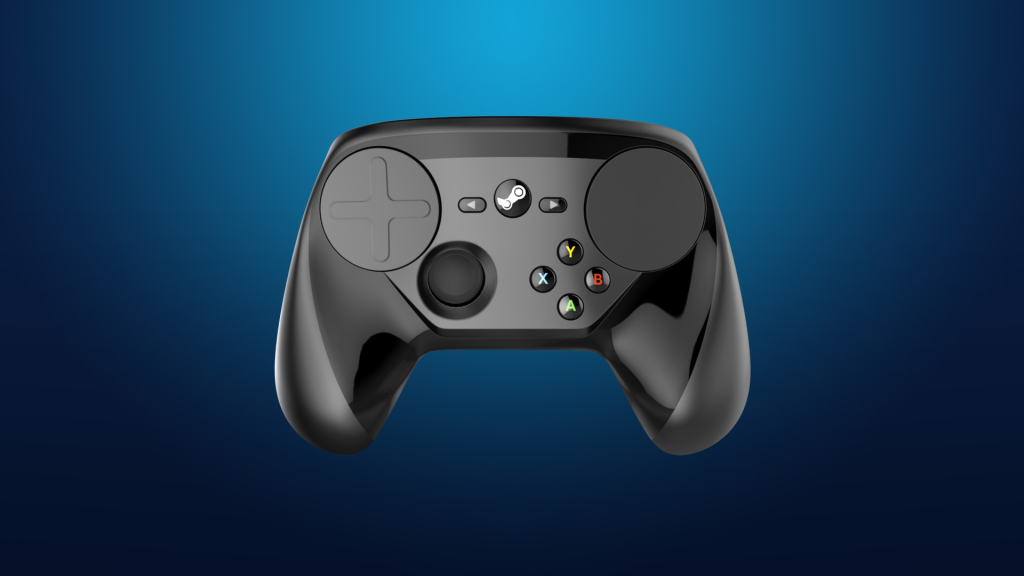
A highly configurable PC gamepad discontinued after four years, now getting a second chance in 2026.
Valve tested future input methods with the Steam Controller, launched in November 2015, offering a highly configurable PC gamepad that aimed to bring thousands of keyboard-and-mouse-only games to the couch. Its dual trackpads and analog triggers, coupled with extensive Steam Input remapping, required learning new muscle memory. Adjusting sensitivity settings became a constant process, trying to execute a perfect flick-shot in an RTS or navigate menus smoothly.
Despite its bold vision, the first-generation was discontinued in late 2019. Valve confirmed no more units would be made and sold off remaining inventory at around 90% off—roughly $5 compared to the original $49.99 MSRP. Valve sold the controllers primarily through its online store and bundled them with Steam Machines.
Now, Valve plans a comeback. In 2025, the company announced a second-generation Steam Controller slated for release in 2026. This new iteration promises magnetic TMR thumbsticks, trackpads, gyro controls, and a low-latency wireless “puck” dongle/charger, with broad compatibility across Steam-capable devices. It feels like a proper second chance to nail the concept.
2. Microsoft Cortana
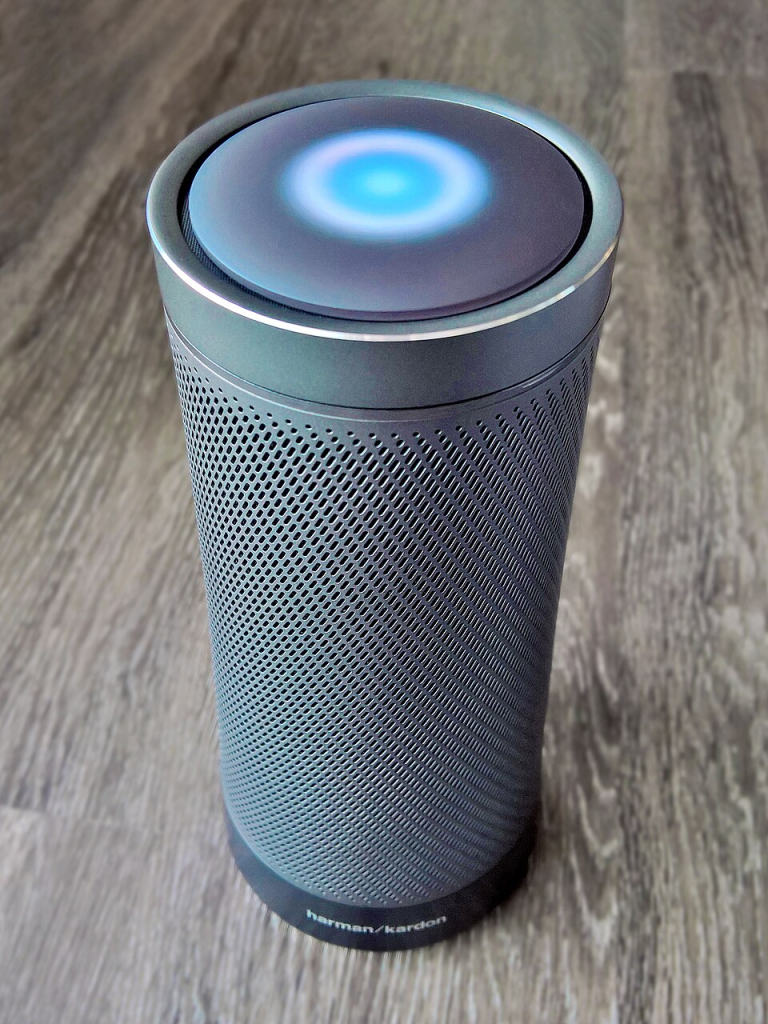
A voice-controlled digital assistant deprecated in 2023 and replaced by Microsoft Copilot’s AI capabilities.
The advent of large language models fundamentally reshaped the landscape for traditional digital assistants, turning once-innovative solutions into legacy tech. Microsoft’s Cortana, introduced in 2014 on Windows Phone and integrated into Windows 10 starting in 2015, offered voice queries, reminders, and calendar management. It served its purpose as a digital helper for a time, but the writing was on the wall as more sophisticated AI emerged.
Microsoft gradually began reducing Cortana’s footprint, pulling its deep taskbar integration from Windows 11 and discontinuing its mobile apps. A user asking Cortana for tomorrow’s weather found themselves redirected to Bing Chat or Windows Copilot. In August 2023, Microsoft began deprecating the Cortana app on Windows 10 and 11, displaying notices that “Cortana in Windows as a standalone app is deprecated.”
This shift solidified in June 2023 when Microsoft announced the standalone Cortana app on Windows would retire in late 2023. Support for Cortana also ended in Teams, Outlook mobile, and Microsoft 365 mobile around the same time. Cortana’s capabilities have been effectively superseded by Microsoft Copilot, which uses large language models to provide richer conversational assistance, showcasing a move toward more advanced AI.
1. Google Glass
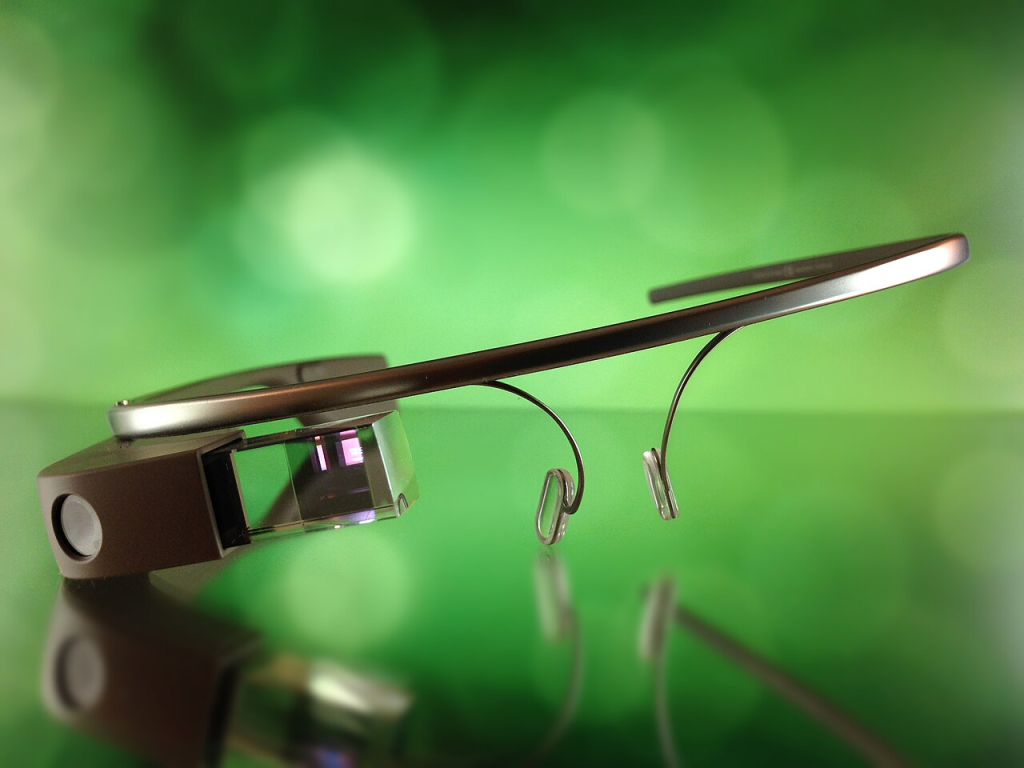
An augmented reality headset that became synonymous with privacy concerns and social awkwardness.
Walking down the street, glancing at a landmark and instantly seeing its history pop up in peripheral vision—that was the sci-fi dream Google Glass promised when it debuted to developers and early adopters in the “Glass Explorer” program starting in 2013. Available for roughly $1,500 per unit, this head-mounted device included a display, touchpad on the side frame, camera for photos and video, microphone, and network connectivity. It presented information as a card-based “timeline” with voice and gesture input, designed to offer hands-free digital access while leaving hands free.
This groundbreaking augmented reality concept quickly collided with public perception. The always-on forward-facing camera raised significant privacy concerns about surreptitious recording and facial recognition. Many venues banned Glass wearers outright. The “Glasshole” stigma was real, and social awkwardness around the device fueled widespread backlash.
Google halted sales and production of the consumer Glass prototype and ended the Explorer program around January 15, 2015, effectively discontinuing the original product. The tech pivoted to Glass Enterprise Edition in 2017 and Enterprise Edition 2 in 2019, targeting industrial and corporate use in healthcare, logistics, and manufacturing. However, Google announced in March 2023 that it would no longer sell Enterprise Edition 2 and would end official support on September 15, 2023. Google Glass became a cautionary tale for consumer AR—proof that being first doesn’t guarantee acceptance.