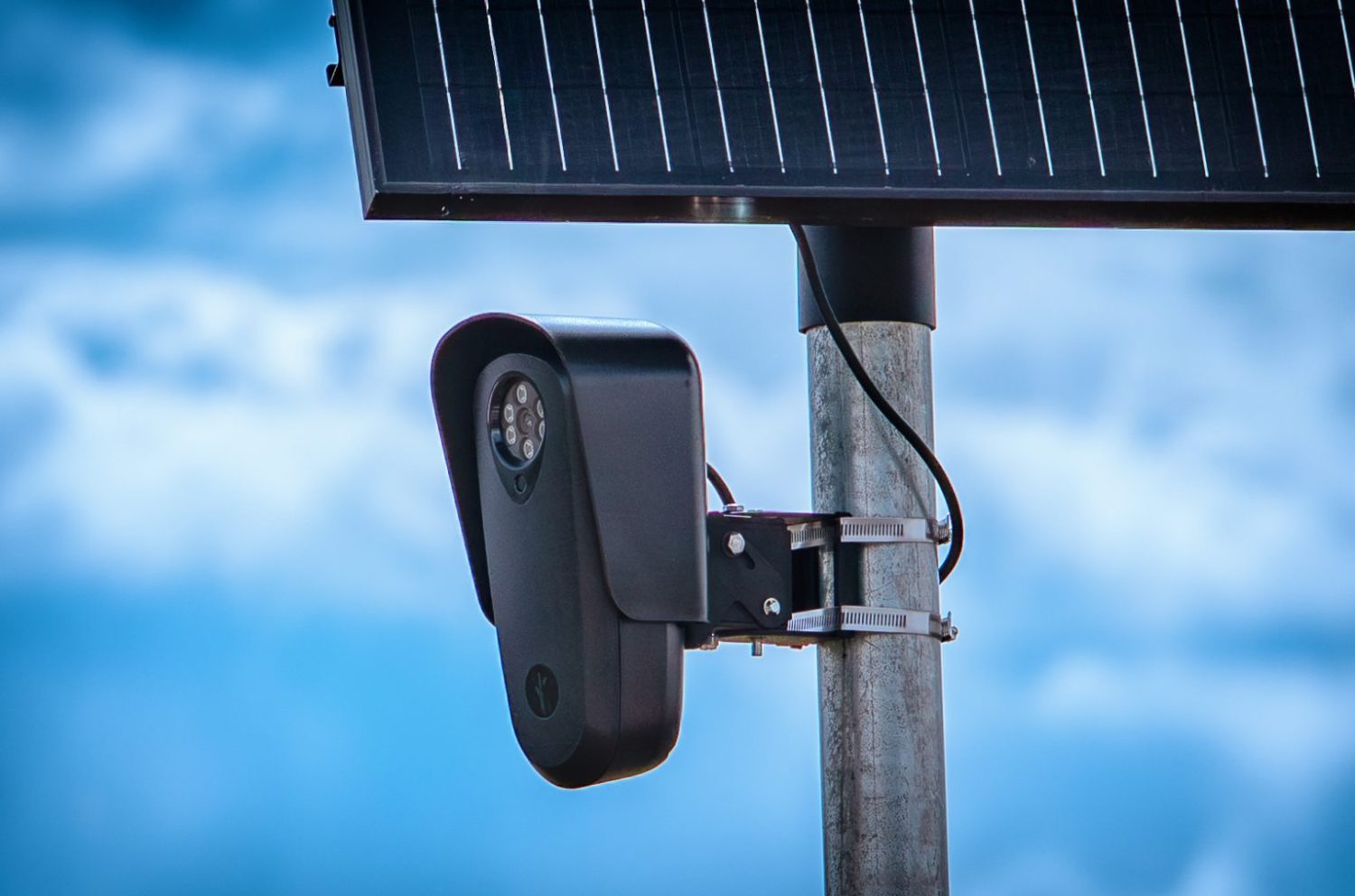
An officer types a location, a time window, and a behavior pattern into a chat-style interface. No name. No plate. No description. The system returns a list of people. That’s not science fiction — it’s reportedly how Flock Safety‘s OS Investigate, formerly called Nightshift, is designed to work. According to WIRED, which reconstructed the tool from more than 450 files exposed through Flock’s own login pages, this is something considerably more ambitious than a license-plate reader.
What the Code Actually Shows
Sixty-nine prewritten prompts, forty-five AI tools, and one very quiet rollout.
According to WIRED’s reconstruction, OS Investigate gives officers 69 prewritten prompts — selectable, editable, and submittable. The code describes 45 tools available to the AI, including:
- Plate scans, camera metadata, arrest records, dispatch logs, and ballistics results
- Commercial databases containing Social Security numbers, birth dates, phone numbers, and listed relatives or associates
- A witness-finding prompt that surfaces vehicles most frequently seen in a neighborhood, then resolves plates to names and home addresses
- A recidivist prompt that finds people arrested more than twice in two years, maps their homes, pulls calls for service, and generates a “workup” on the top three individuals — merged with an associate-ranking method that flags vehicles appearing at the same cameras within a two-minute window, where three or more co-occurrences is enough to classify someone as an associate
If your car appears near the same camera three times alongside another vehicle, the system reportedly considers that a relationship. Your streaming service does something similar with secretly tracking users. The difference is what happens next.
The code also shows a field asking officers to log a reason for each search. WIRED reports the validation appears minimal, and server-side checks could not be fully verified from the exposed frontend files alone. That’s a meaningful caveat — but it doesn’t change what the prompts are designed to ask.
What Flock Says – and What the Code Shows
A spokesperson calls it a separate product still in development; privacy experts aren’t waiting for the launch.
A Flock spokesperson told WIRED that OS Investigate is a separate product from its license-plate reader system, still in development, with capabilities subject to change before any broader release. Noted.
The ACLU and privacy experts quoted by WIRED aren’t holding for that announcement. Their concern isn’t storage — it’s inference. The system can reportedly search by physical description: sex, height, clothing, tattoos, bounded by radius or hand-drawn map shapes. That reframes the investigative question from “did this person commit a crime?” to “who was near here, and what do they look like?” — a shift that echoes concerns raised around every surveillance app built with minimal oversight.
Flock’s public materials emphasize compliance features — mandatory case codes, automated search monitoring — and the company says it is expanding those guardrails. The code, however, describes a system built to answer questions that historically required warrants or witnesses just to formulate. That gap between the press release and the prompt library is, according to WIRED’s reporting, exactly where this story begins.