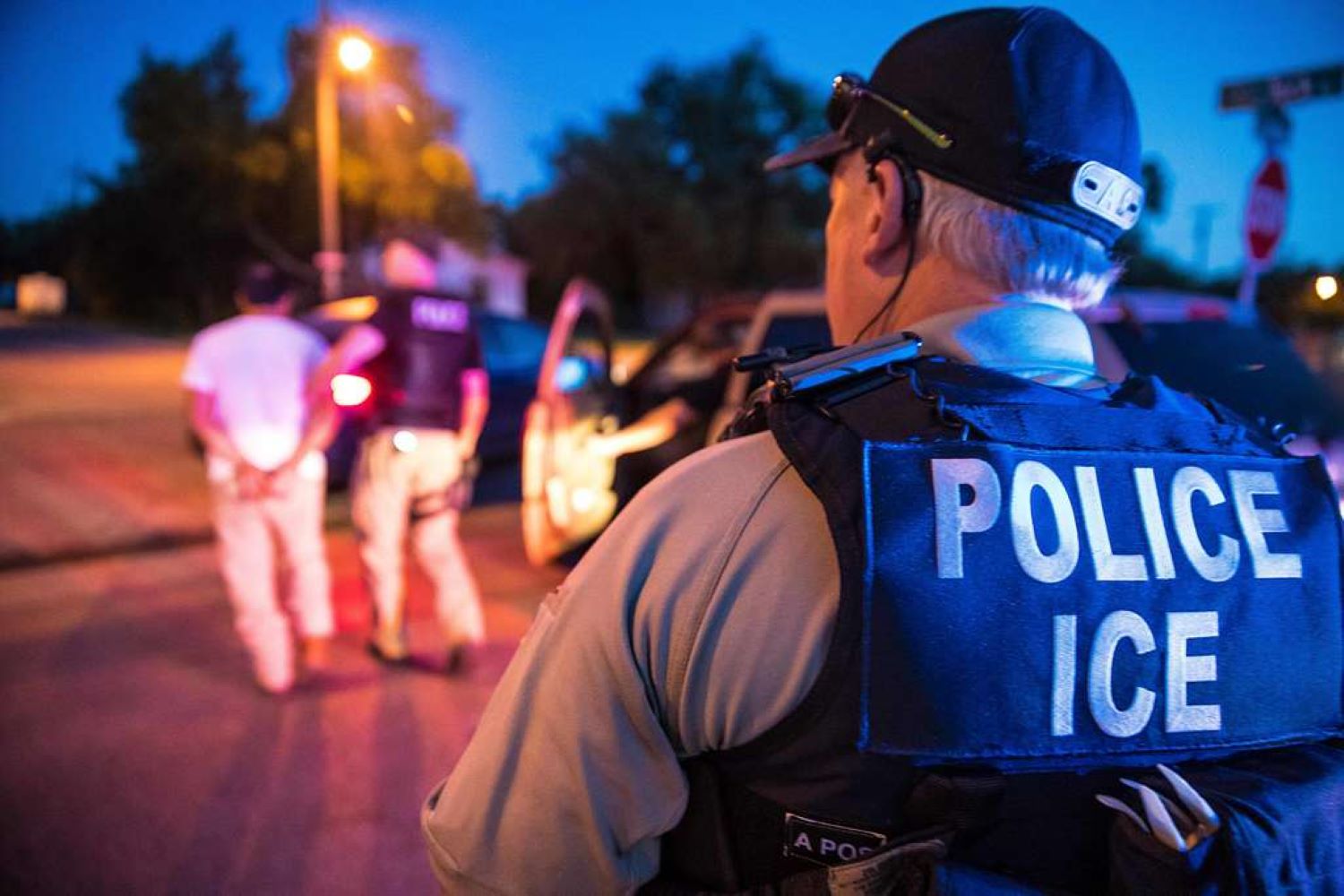
Georgetown Law’s Center on Privacy and Technology estimates ICE added roughly 919,908 new DNA profiles in 2025 alone. Nearly a million people swabbed. Among them, according to WIRED and Georgetown’s findings, were children aged 7, 6, 5, and 4. DHS calls this border security. Civil-liberties researchers call it something else entirely: a mass criminal surveillance database built from people not accused of any crime.
From the Border to a Crime Database
A 2020 policy change turned immigration detention into a pipeline for the FBI’s forensic DNA system.
Where a prior exemption once shielded DHS from mandatory DNA collection — largely on resource grounds — the Justice Department removed that barrier in 2020. ICE responded with Directive 10092.1, requiring collection from nearly everyone in custody. The result: DHS became the single largest source of new genetic profiles in CODIS, according to Georgetown. The detainee index hit 3,345,692 profiles by December 2025, growing by approximately 995,000 in that year alone.
Buried in ICE training materials reviewed by Georgetown, as reported by WIRED, officers were instructed to collect DNA after “ANY arrest.” Notable groups who are not exempt:
- Asylum seekers
- Refugees without adjusted status
Refusal? A federal crime. Until recently, that threat was largely theoretical — a 2021 training presentation acknowledged ICE knew of no prosecution for refusal. That changed in 2025, with cases against Hugo Moreno-Mendez and Ronald Genao-Diaz. DHS confirmed all samples go to the FBI for CODIS entry, a practice that echoes concerns raised about secretly tracking users without meaningful notice or consent.
Georgetown researcher Stevie Glaberson told WIRED the program amounts to compelled collection of sensitive information “on the speculation that it might be helpful for crime-solving in the future.”
The Children No One Accounted For
DHS policy sets a minimum collection age of 14, but hundreds of younger children’s DNA reached the FBI anyway.
Congressional visitors to the Dilley family detention center learned ICE had been collecting DNA from detained families for months. Lawmakers reported that families were confused about the purpose and handling of the testing — and no adequate explanation was provided. Meanwhile, Georgetown and WIRED identified 492 children under 14 whose DNA CBP sent to the FBI between January 2025 and January 2026 — a potential database leak risk that compounds the harm of warrantless collection. Four-year-olds entered into a federal criminal database represents not a policy edge case, but the program operating exactly as designed.
DHS did not address Georgetown’s estimates when contacted by WIRED. Lawsuits challenging DNA collection from protesters are already filed, with claims that profiles were entered into CODIS. Congress has raised questions. Answers remain absent. If this pace holds, DHS will dwarf every other CODIS contributor — built almost entirely from people who crossed a border, not a legal threshold.