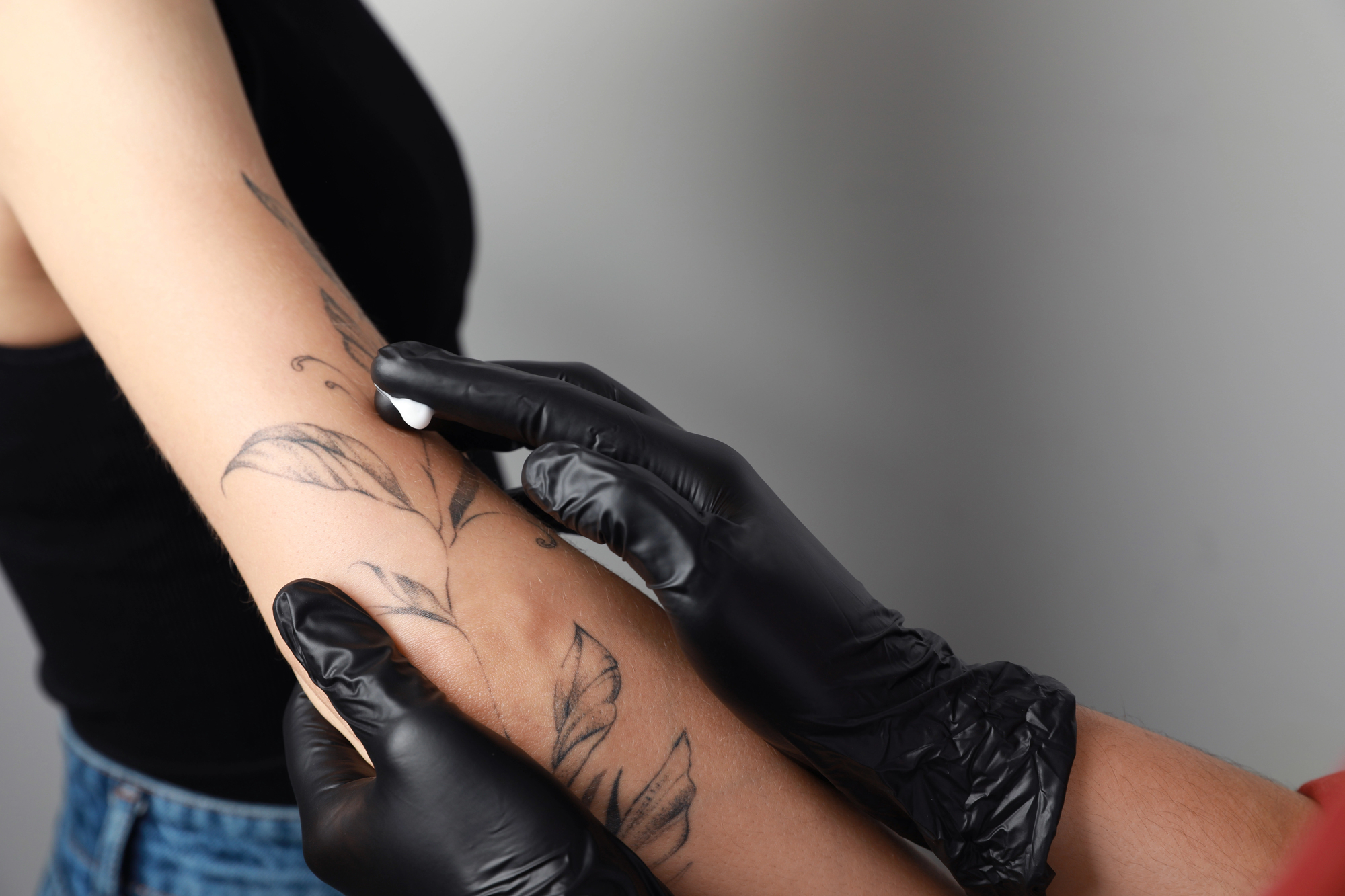
It was a South of Market afterparty. Around 173 people milling around, a tattoo artist set up in the corner, and a pitch that sounds ripped straight from a Black Mirror writers’ room: get inked, get an interview. That was the offer from Jordan Zietz, co-founder of LemonLime, a Y Combinator-backed AI automation startup. The timing wasn’t accidental. Bay Area tech job postings reportedly dropped roughly 37 percent from pre-slowdown levels, according to Indeed data cited by Axios, and over 10,000 regional tech layoffs had already landed in 2026—more than double the prior year’s pace. This wasn’t a quirky culture story. It was a power-imbalance story wearing a party hat.
Bold Culture or Exploitation? The Line Got Crossed.
Seven people left with permanent ink and the promise of an interview at an early-stage startup most had never heard of.
Seven attendees obliged. Zietz’s original LinkedIn post framed it as founder bravado: “We brought an actual tattoo artist to our party and offered an instant interview to anyone who got a LemonLime tattoo.” The company wanted people “just as crazy as we are.” Flyers at the event also advertised free skydiving for anyone who posted about LemonLime on LinkedIn. Participants reportedly chose their own designs—not necessarily the company logo—and Zietz later clarified that interviews were technically available to all attendees, not exclusively those who got inked. The whole thing was engineered for virality. It worked. Just not the way Zietz intended.
Where he saw bold employer branding, critics saw something uglier. LinkedIn commenters described it as a disturbing abuse of power, arguing that nudging candidates toward permanent body modifications isn’t culture—it’s leverage. Meanwhile, nationally, over 100,000 tech workers had reportedly been laid off in 2026 alone, according to Layoffs.fyi data cited by SFGATE, with San Francisco’s unemployment rate rising to approximately 4.1 percent driven by tech-sector losses. When your résumé needs a dermatologist’s signature to stand out, the interview process has officially left the building.
The Apology Lands, but the Question Stays
Zietz deleted everything within a day and offered to cover tattoo removal costs—but the structural problem runs deeper than one founder’s bad judgment.
Within roughly a day, Zietz scrubbed the posts and published a full mea culpa. “What I thought would be a fun, memorable way to meet people was, in reality, reckless,” he wrote, per USA Today, adding that the stunt “came across as tying a permanent tattoo to job opportunity, which showed poor judgment.” LemonLime also offered to cover tattoo removal costs for anyone experiencing regret. Credit where it’s due: the apology was direct. No spin, no clever repositioning. “There’s no clever explanation here. I got carried away, and I was wrong.” Notably, Y Combinator did not respond to press requests for comment, leaving open questions about how accelerators view responsibility for their portfolio companies’ recruiting practices.
Individual accountability only reaches so far, though. Berkeley economist Enrico Moretti has described the Bay Area as in a “transition phase” marked by “pretty deep layoffs.” In that environment, even supposedly voluntary stunts carry a coercive weight candidates feel in their bones. Zietz admitted it. The harder question is whether the broader startup ecosystem will adopt a job guarantee of ethical standards.