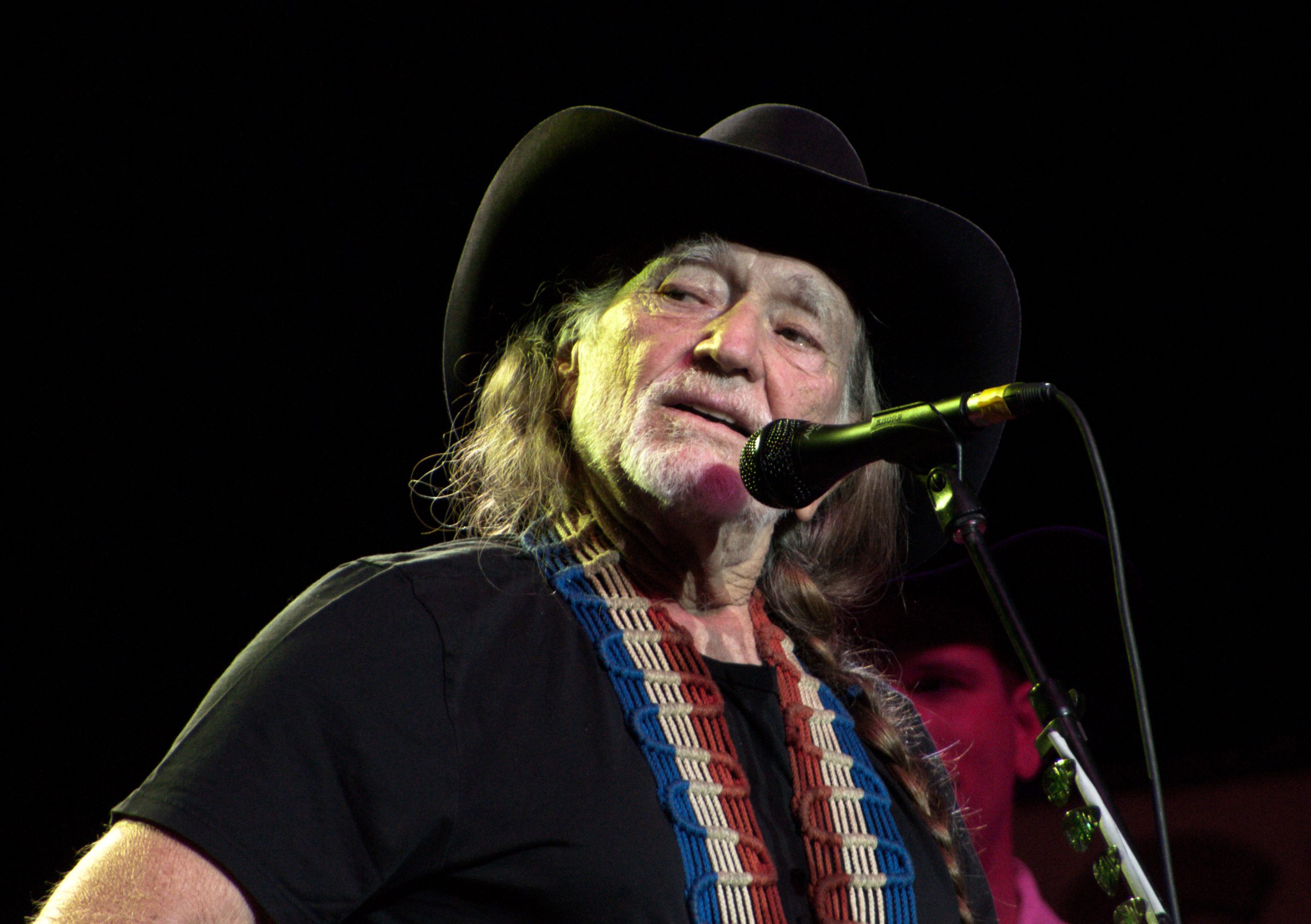
Somewhere in rural America, a farmer’s well is competing with a server farm for the same aquifer. That tension just got a very famous voice. Willie Nelson — the 91-year-old Abbott, Texas native and Farm Aid co-founder — has come out swinging against data-center expansion, calling these facilities “a loud, water thieving, light polluting, data center anywhere near our town.” His statement frames the AI infrastructure boom not as progress, but as extraction.
What Nelson Said – and Why His Words Carry Weight
His Farm Aid legacy and deep Texas roots make this opposition harder to dismiss than a celebrity soundbite.
Nelson’s opposition isn’t a casual tweet. His decades of Farm Aid advocacy and deep roots in rural Texas give the statement real teeth. Here’s what he laid out:
- Data centers “only destroy the environment around them,” offering little to the communities they displace.
- Rural America’s strength comes from “the people and the land,” not “big industrial footprints.”
- He warned against allowing data centers to “steal farmland” and threaten small family farmers’ livelihoods.
- Some AI-focused facilities consume an estimated 1 to 5 million gallons of water per day.
- U.S. data-center electricity demand is projected to rise sharply in coming years, straining already-burdened grids.
Nelson’s concerns track with documented complaints from environmental and community groups nationwide. Higher electricity costs, grid strain, noise pollution, and massive water consumption aren’t hypotheticals — they’re already showing up in communities where these facilities operate. In documented cases, those costs fall squarely on local residents and municipal water systems, not the facility operators.
The Real Fight Behind the Famous Voice
This isn’t just a Texas story — it’s a preview of what rural communities across the country are facing as AI infrastructure demand accelerates.
Texas sits at the center of this collision. The state has become a magnet for data-center development while simultaneously being Nelson’s home turf — a place where rural identity and tech ambition are increasingly at odds. Local and state leaders face mounting pressure to balance tax revenue and jobs against the tangible costs absorbed by residents.
Nelson’s track record — Farm Aid, disaster relief, decades of advocacy for working farmers — makes this harder to dismiss as celebrity grandstanding. Still, the counterargument exists: data centers do bring economic development to regions that often need it.
The question isn’t whether AI infrastructure will keep expanding. It will. The question is whether the communities supplying the land, water, and power get any say in the terms — or just the consequences.