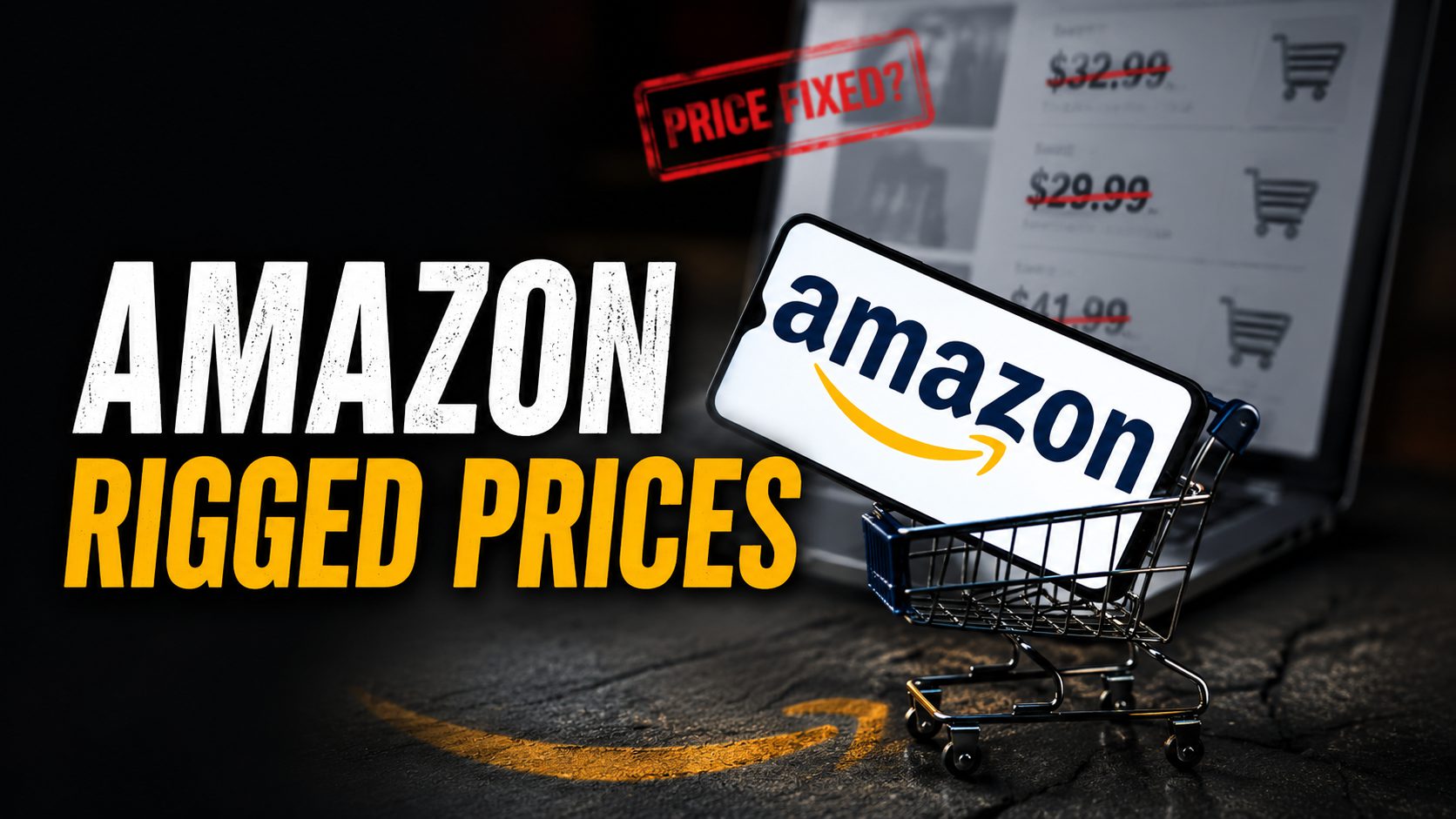
Millions of shoppers run the same mental checklist — Walmart, Target, Amazon — before clicking “Add to Cart,” confident the lowest price won fairly. But according to California Attorney General Rob Bonta’s office, that victory was staged — like a lowest-price guarantee at a fight where the referee works for the house. If you’ve ever wondered whether you’re paying too much without realizing it, the allegations in this case suggest the answer may be yes.
The Buy Box as a Weapon
Amazon allegedly punished sellers who dared offer lower prices anywhere else online.
The Buy Box — that “Add to Cart” button on Amazon product pages — drives the vast majority of purchases on the platform. Controlling it means controlling seller behavior. California’s lawsuit, filed in 2022 with newly unsealed evidence reported through 2026, alleges Amazon weaponized that leverage with surgical precision.
The key allegations from the California AG’s complaint and related reporting:
- Amazon reportedly flagged rival prices as little as one cent lower and demanded sellers “fix,” “correct,” “increase,” or “raise” prices on competing sites
- Sellers who discounted on Walmart, Target, eBay, Chewy, Best Buy, Home Depot, or their own websites faced threats of losing Buy Box placement and promotional support
- Amazon allegedly enforced price parity at the wholesale level through minimum-margin arrangements, ensuring higher platform fees translated to higher prices everywhere
- The FTC’s separate 2023 federal case alleges Amazon deployed an internal anti-discounting algorithm called Project Nessie
California’s complaint describes the result as “a vicious anticompetitive cycle” in which Amazon, sellers, suppliers, consumers, and competition all lose.
Think of it like StubHub controlling ticket supply while the platform pretends the market set the price. It looks competitive. The reality, according to California, is choreographed.
Not a New Playbook
A 2021 guilty plea proved Amazon Marketplace price-fixing isn’t hypothetical.
This pattern has precedent. In 2021, a Tennessee seller pleaded guilty in a DOJ criminal case for fixing DVD and Blu-ray prices sold through Amazon Marketplace. The California and FTC cases suggest something far broader — not a rogue seller, but allegedly the platform itself shaping prices across the entire web. Broader regulatory scrutiny of big tech is growing, too — regulators in Amazon and Google oversight have moved to restrict how these platforms handle sensitive data.
Amazon denies the California allegations, according to reporting on the dispute. If courts ultimately find liability, potential remedies range from injunctions and civil penalties to structural changes in how marketplace selling operates.
Every time you assumed open competition was keeping online prices honest, a platform may have been quietly running the scoreboard. The litigation continues — and the question it raises about who actually sets the price you pay isn’t going anywhere.