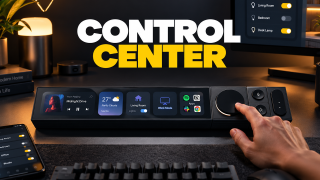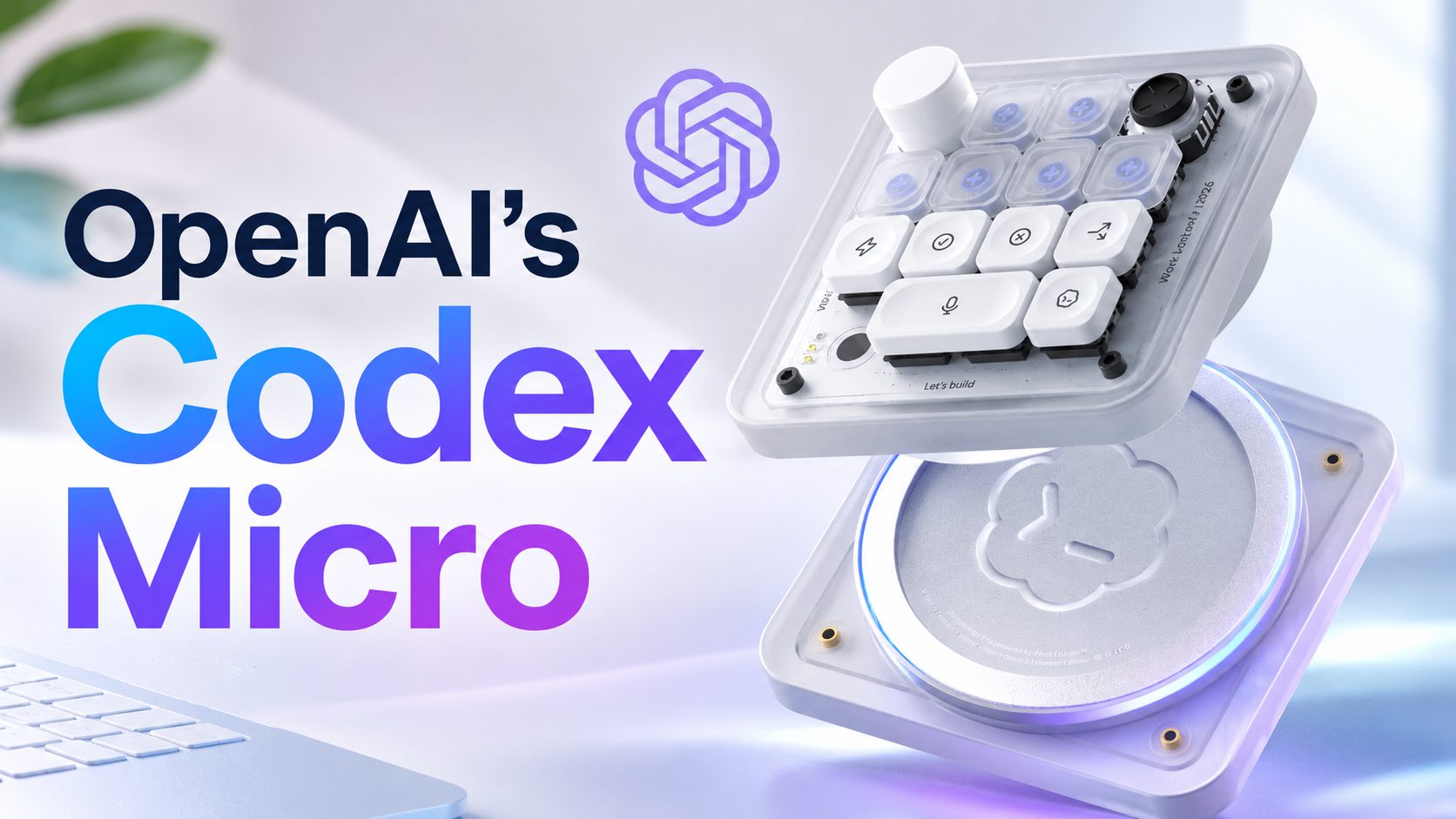
Developers running a Codex agent spend significant time tabbing back and forth to check whether it’s still thinking or silently erroring out — hammering keyboard shortcuts like they’re playing a rhythm game nobody asked for. OpenAI and boutique keyboard maker Work Louder built a physical answer to that friction: the Codex Micro, a $230 limited-edition macro pad available to order now. This isn’t the rumored consumer device with Jony Ive’s fingerprints on it. It’s a small square controller that sits next to your actual desk gadgets setup. A purposeful, niche tool for a purposeful, niche problem.
What the Codex Micro Actually Is
A purpose-built command center with 13 switches, a reasoning dial, and status keys that glow based on what your AI agent is doing.
The hardware spec sheet reads like a boutique keyboard enthusiast’s wish list crossed with mission control. Thirteen mechanical switches, a rotary dial, a joystick, a touch sensor, and six illuminated keys that change color depending on Codex’s state — idle, thinking, complete, needs feedback, or error. That dial adjusts reasoning intensity on the fly. Choose between clicky and silent switch versions, with extra icon keycaps for remapping.
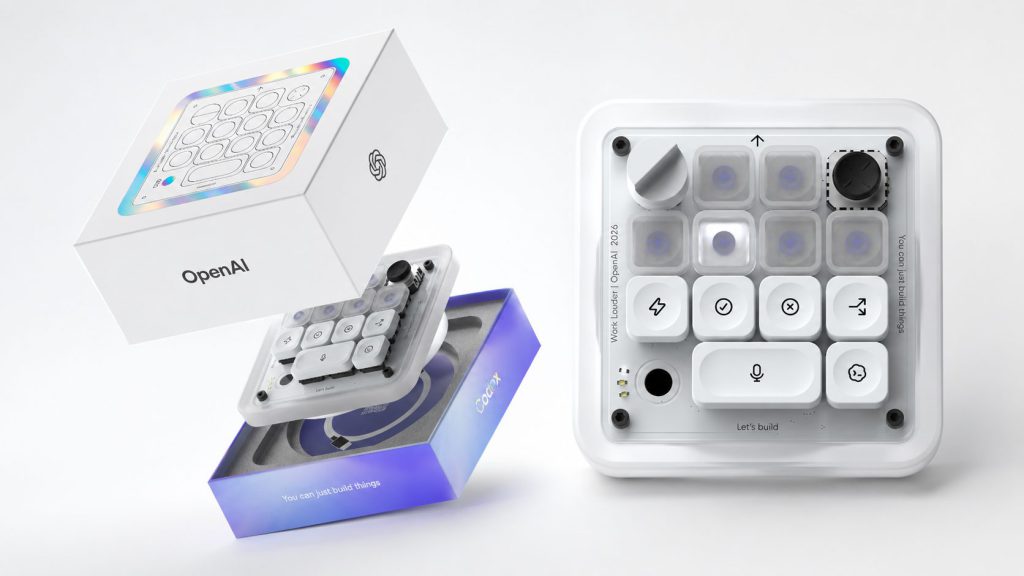
The essential details worth scanning:
- Priced at $230, limited run, available as of July 15, 2026
- Built on Work Louder’s Creator Micro 2 platform
- Compatible with Mac, Windows, Bluetooth, and USB-C
- Core actions: accept/reject code changes, push-to-talk, debug, refactor, branch threads
- Configured through the ChatGPT desktop app
Think of it as the Stream Deck for AI coding workflows, except far more opinionated about what you’re controlling. For developers already deep in Codex agent work, the tactile feedback loop reportedly cuts the mouse-and-menu overhead that interrupts flow. For everyone else, $230 buys a very attractive paperweight — and that’s not a knock, just an honest read of the product’s intentionally narrow scope.
The Bigger Hardware Picture
OpenAI is building physical products now — quietly, specifically, and under legal fire from Apple.
A separate consumer device is reportedly in development with io Products and Jony Ive’s team. That’s the project drawing the larger headlines. The Codex Micro is smaller in ambition and already shipping. But the backdrop isn’t clean: Apple sued OpenAI, two former Apple employees, and io Products over alleged trade-secret theft related to manufacturing processes — a detail worth keeping in mind as OpenAI’s hardware ambitions expand.
The Codex Micro signals where AI-assisted work is heading: physical interfaces for digital agents you can’t see or easily read. Whether $230 is the right entry price for that future depends entirely on how many hours a day your workflow runs through Codex. For serious users, the case is real. For everyone else, the waitlist can wait.