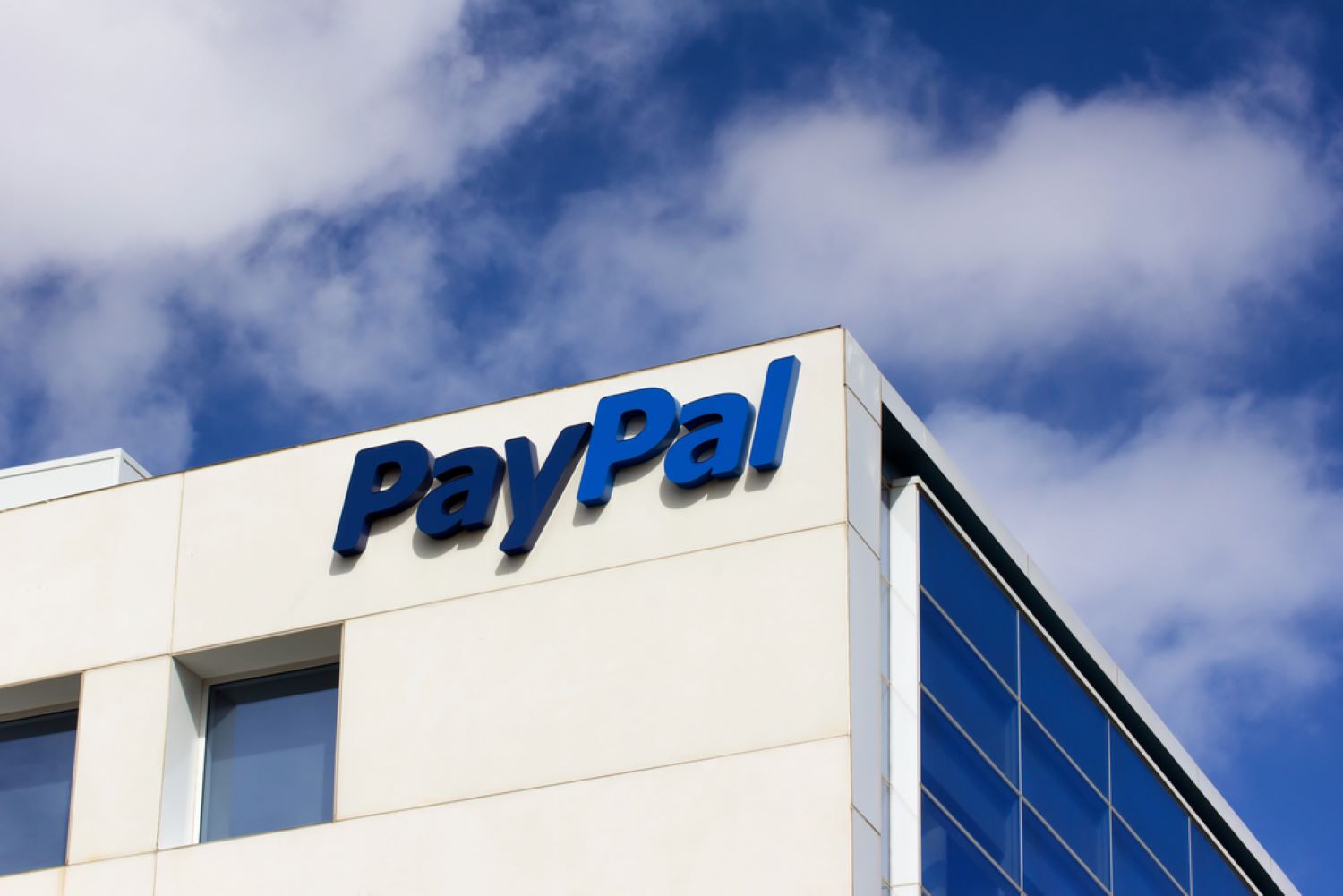
Three years ago, PayPal commanded a $360 billion market cap. Now Stripe and private-equity firm Advent International have submitted a joint offer to buy it for $60.50 per share — roughly $53 billion total, according to Reuters. That’s a 28% premium to PayPal’s Tuesday close, and it still values the company at about one-seventh of its 2021 peak.
PayPal hasn’t responded. No deal is confirmed. But if completed, the combined entity would process approximately $3.7 trillion in annual payments, making it one of the largest online payments operations on the planet.
What’s Actually on the Table
The deal structure reads like a leveraged buyout textbook — with about $50 billion in bank debt doing the heavy lifting.
The offer comes in at $60.50 per share — a roughly 28% premium — backed by approximately $50 billion in committed bank financing, meaning nearly the entire purchase price rides on debt. Stripe and Advent would split ownership 50/50 with no plans to break up PayPal. For context, PayPal’s Q1 2026 revenue hit $8.35 billion, up 7% year-over-year, and new CEO Enrique Lores, who took over in March, is mid-turnaround with $1.5 billion in planned AI-driven cost savings already on the table.
William Blair’s Andrew Jeffrey argued the offer undershoots what PayPal’s leadership will accept: “We do not think PayPal’s new CEO will likely embrace what could be viewed as a low-ball offer.” Jeffrey suggested Stripe and Advent may need to go as high as $70 per share to get a deal done.
Why Stripe Wants This – and Why It’s a Gamble
Stripe built the plumbing; PayPal has 430 million customers actually using it.
Think of it like Spotify deciding to buy Tower Records — one era absorbing another entirely on its own terms. Stripe, founded in 2010 by brothers John and Patrick Collison and recently valued at $159 billion, dominates merchant infrastructure. PayPal brings:
- 430 million consumer accounts
- Venmo’s peer-to-peer network
- that ubiquitous checkout button
PayPal’s consumer wallet “could be attractive to materially accelerate” Stripe’s ambitions, according to TD Cowen analyst Bryan Bergin, who flagged the potential for “future financial-services distribution” across PayPal’s massive user base. Stripe’s crypto unit, Bridge, could also leverage PayPal’s existing crypto operations to push stablecoin payments into the mainstream.
The risk side is harder to dismiss. Regulatory scrutiny seems inevitable — combining two dominant online payment platforms raises obvious antitrust and data-privacy questions, though no regulator has publicly commented yet. And Lores, deep into a restructuring, isn’t likely to walk away from that strategy for a bid analysts are already calling opportunistic.
The Real Question
A 28% premium sounds generous until you remember where this stock used to trade.
PayPal shares surged roughly 17–19% on the news, reportedly heading for one of its best trading days ever. But for anyone who held through the pandemic highs, this bid still represents a brutal haircut. Whether $60.50 is an opening gambit or Stripe’s actual number will define the next chapter of digital payments consolidation.