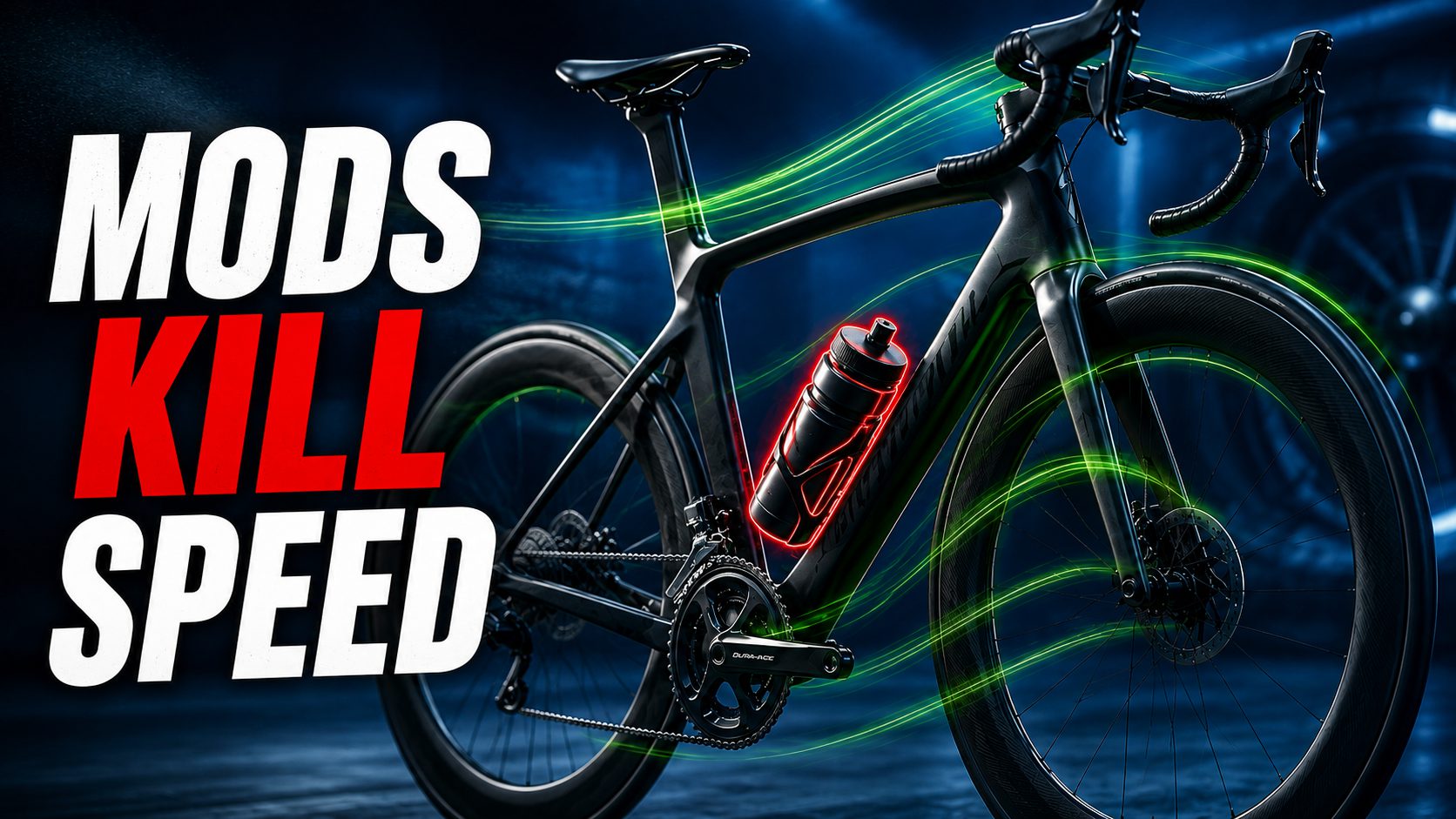
The average cyclist often overlooks subtle modifications, believing marginal gains apply only to pros, but even small adjustments can add significant drag or reduce power output. You spend good money on a bike, and then you accidentally make it slower by bolting on what you think are upgrades. This list cuts through the noise of what looks fast versus what actually works, pulling back the curtain on common errors that turn your ride into a lead balloon. Understanding these pitfalls ensures your efforts on the road are rewarded, not wasted, making you faster for free.
5. Oversized chainrings
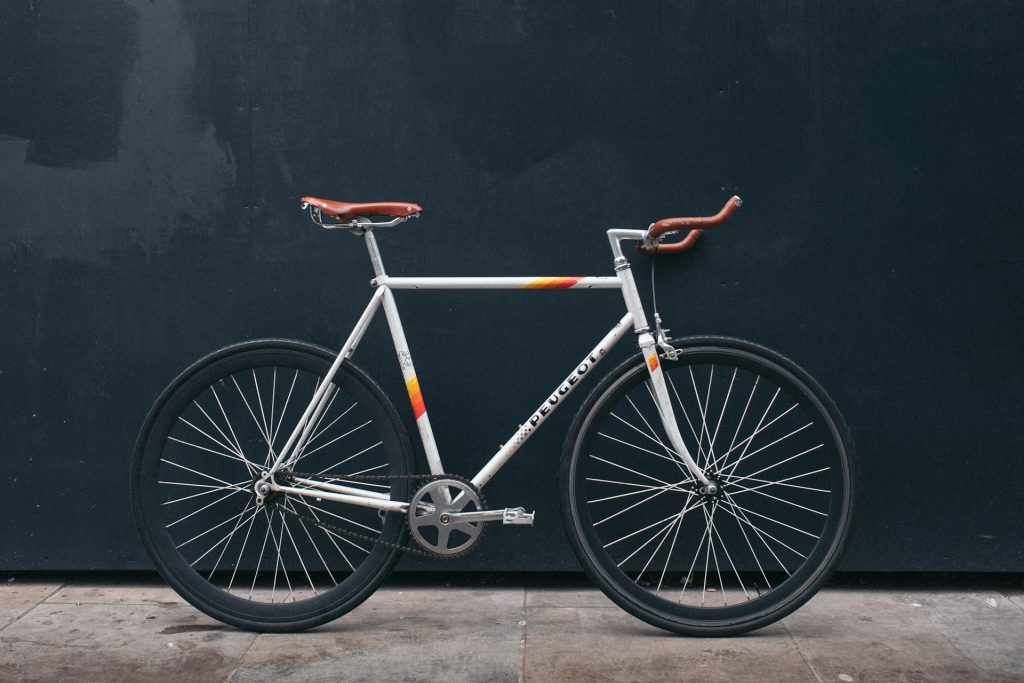
Bigger gears promise speed, but your legs pay the price when cadence drops.
Cyclists are most efficient when maintaining around 80 to 100 revolutions per minute (rpm). Many riders incorrectly assume a larger chainring guarantees more speed through a higher gear ratio. This common misconception overlooks a critical physiological cost. Pushing a massive gear at a low cadence quickly leads to premature fatigue, like driving a stick shift car exclusively in fifth gear and forcing the engine to lug.
You might feel powerful mashing that big gear, but your body is hitting its rev limiter. Research shows low cadence significantly spikes lactate accumulation, turning your legs into concrete. Raw gear ratio gain is offset by physiological inefficiency, burning you out before the finish line.
4. Saddle height set too high
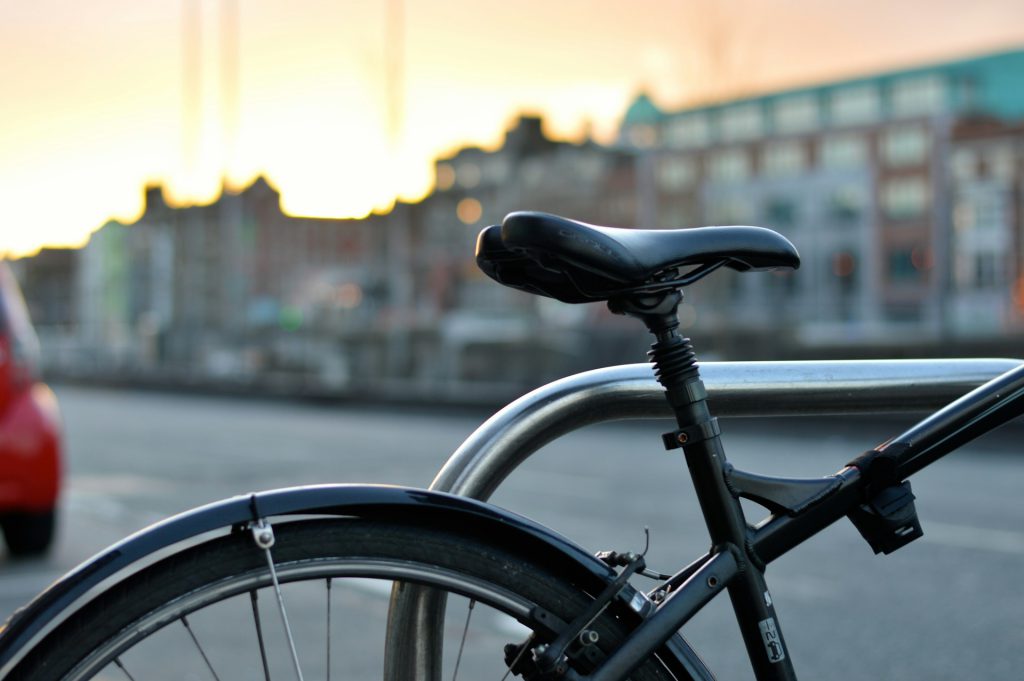
An extra centimeter of reach can cost you watts you didn’t know you were losing.
A saddle positioned just slightly too high forces your hips to rock, like a poorly calibrated washing machine. This wastes lateral energy that should be propelling you forward. You might find yourself constantly reaching for the pedals at the bottom of each stroke, a clear sign your saddle is too high.
This overextension feels awkward and reduces efficiency, potentially causing discomfort. For optimal power transfer, your knee should maintain a bend of roughly 25 to 35 degrees (or 30 to 40 degrees per some guides) at the bottom of your pedal stroke. This critical detail impacts overall performance.
3. Wide tires inflated too hard
Maximum pressure doesn’t mean maximum speed when vibration steals your energy.
The long-held belief that “harder is faster” for bicycle tires is a relic, especially with modern wide options. Excessive tire pressure on contemporary rubber, like 28 mm (1.1 inches) or 32 mm (1.25 inches) widths, actually increases vibration and reduces real-world rolling efficiency. Overinflated wide tires cannot properly deform over road imperfections, transmitting every jolt straight to the rider and making it feel like you’re riding a jackhammer.
Testing clearly shows that a tire needing to bounce over every pebble wastes energy that could be moving you forward. Optimal tire pressure needs to consider your tire width, rider weight, and the actual road surface. You’ll be more comfortable and faster by letting the tire do its job, absorbing the road rather than battling it.
2. Clip-on aerobars installed without a proper fit
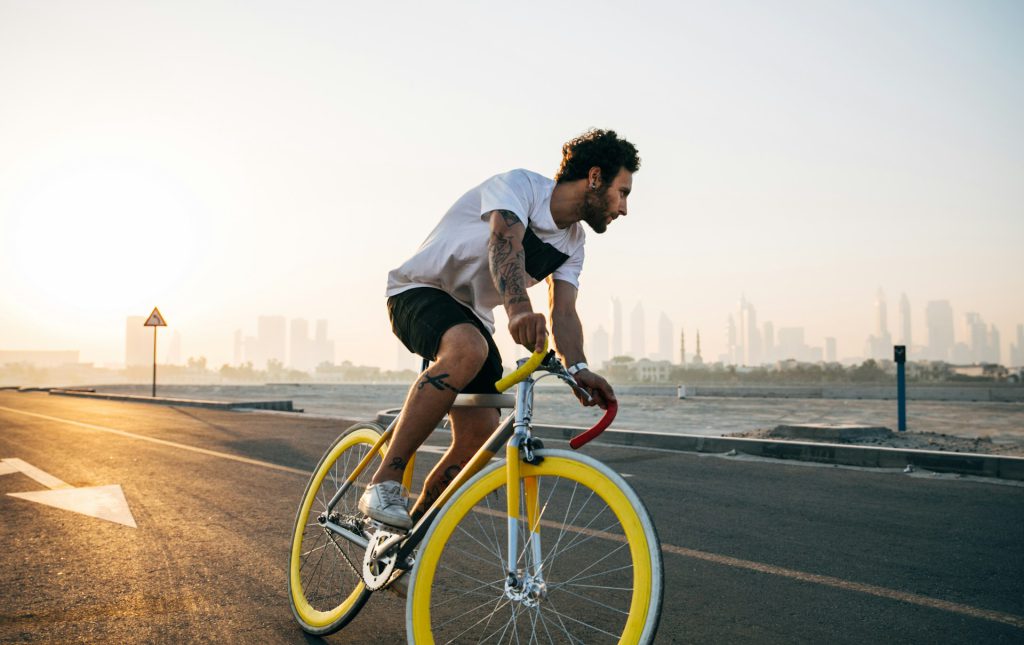
Bolting on aero without the right position turns speed gains into a comfort nightmare.
Clip-on aerobars are engineered to place a rider in a stable, aerodynamic time trial position. When you bolt these onto a standard road bike without a professional fit, you’re not gaining speed; you’re typically just adding discomfort. This setup compromises your natural hip angle and steering geometry, turning what should be an advantage into a wrestling match with your bike.
You’ll quickly find yourself fighting for comfort, neck craned awkwardly, instead of smoothly slicing through the wind. Testing confirms that improper positions can actually create more drag than if you rode without the aerobars at all. The hardware only helps if your body can sustain the posture.
1. Water bottle placement
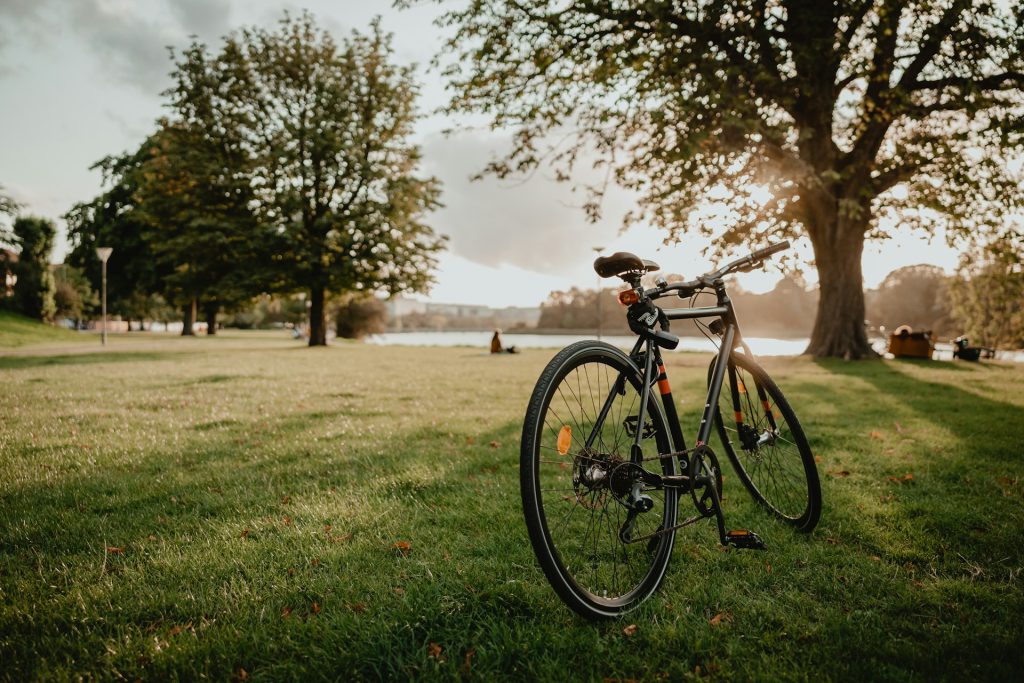
Those convenient cages on your frame might be costing you more watts than your carbon wheels saved.
Aerodynamic drag from water bottles can surprisingly negate thousands spent on carbon wheels or aero frames, making your speed investments moot. Above 35 km/h (approximately 21.7 mph), two large water bottles mounted on the down tube and seat tube create significant resistance. You might as well be driving a sports car with a parachute tied to the back.
Many riders carry oversized bidons, eager for hydration but unaware of the hidden cost to their speed. To avoid this unnecessary power drain, consider using smaller, 500 ml (approximately 17 oz) bottles. For longer rides, tucking extra hydration into jersey pockets is a smarter play, or opt for aerodynamically shaped bottles. Paying attention to these details ensures your expensive upgrades actually pay off.