A 197–5 vote doesn’t happen in a state legislature — not on tax policy, not on anything. Yet that’s how Pennsylvania’s House handled HB 2198 on June 25, 2026, effectively killing a sales tax exemption headed toward handing Amazon, Microsoft, and Alphabet half a billion dollars a year by decade’s end. The Senate followed with HB 1667, passing 44–6. When lawmakers from both parties agree that decisively, something has shifted well beyond typical budget arithmetic.
From Modest Refund to Half-Billion-Dollar Giveaway
What began as a capped $5 million annual refund quietly grew into one of Pennsylvania’s most expensive corporate tax breaks.
The Computer Data Center Equipment Exemption started small in 2016. Then 2021 happened. Lawmakers uncapped it, converting the program into a true exemption on Pennsylvania’s 6% sales tax for servers, networking gear, and construction costs — effective January 1, 2022. The eligibility requirements sounded reasonable: $75–100 million in capital investment and 25–45 jobs within four years, depending on county size.
- HB 2198 repeals the exemption entirely; passed the House 197–5
- Senate’s HB 1667 includes parallel repeal language; passed 44–6
- Projected cost: $188.4 million in FY 2026–27, ballooning to $517 million annually by 2030
- Dozens of data center projects were already benefiting as of January 2026
“We’re giving these sales tax exemptions to companies like Amazon, Microsoft, Alphabet — companies that have net incomes in excess of $100 billion a year,” Rep. Greg Vitali, the bill’s prime sponsor, told colleagues on the House floor, according to City & State PA. “This is not right. This is not needed. This is not what our constituents want.”
That last point has polling behind it. A December 2025 Emerson College survey found 42% of Pennsylvanians oppose data centers in their communities, against only 34% who support them. Lawmakers supporting repeal also argue the incentive was never necessary: data center proposals had already spread to nearly every corner of the state, meaning the tax break was subsidizing projects that were coming anyway. Political cover and fiscal logic arrived at the same conclusion simultaneously.
The Senate Still Has to Sort Out the Details
Two competing visions — outright repeal versus conditional incentives — now await Senate reconciliation.
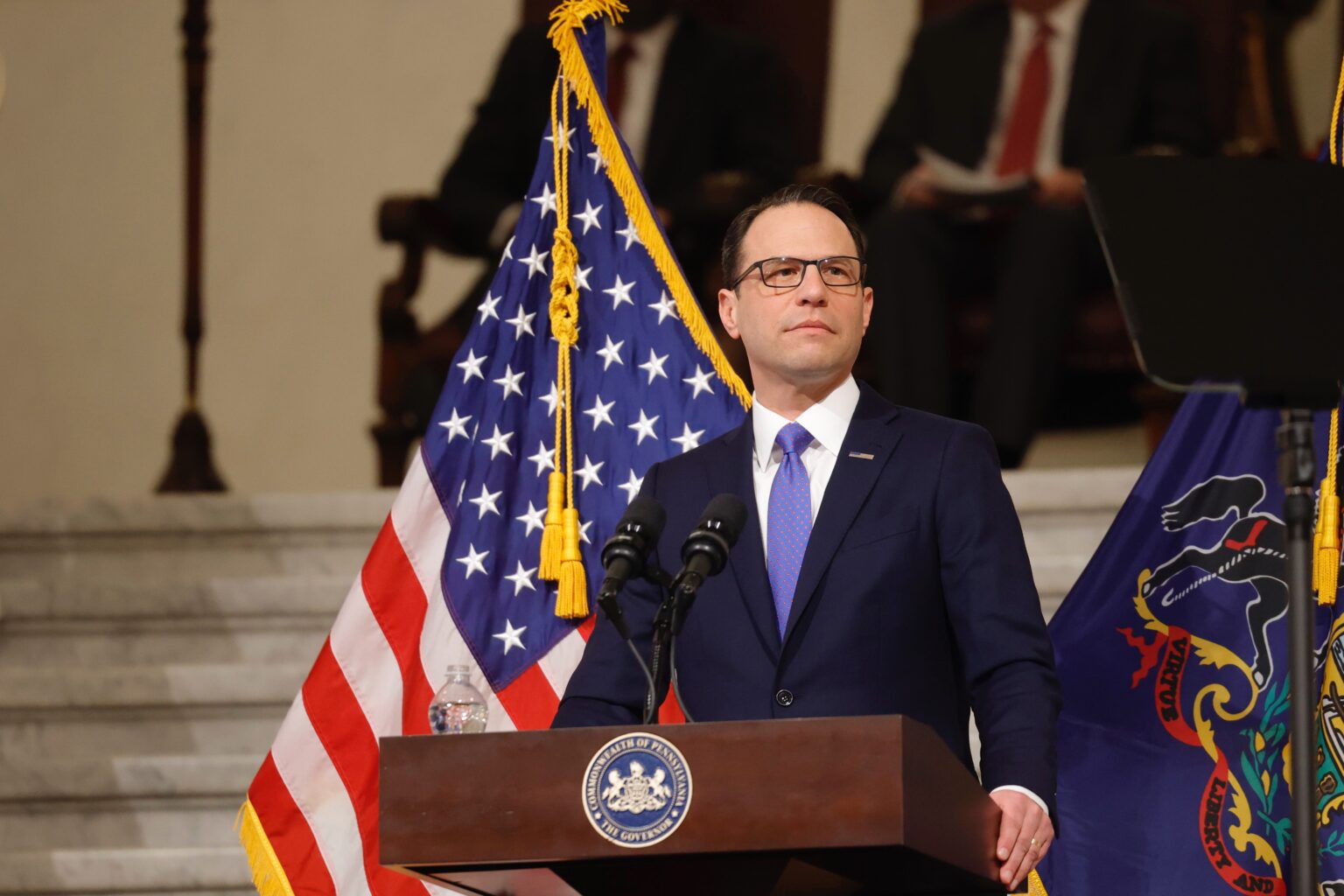
Gov. Josh Shapiro isn’t fully aligned with the repeal camp. His preferred approach centers on GRID standards that would tie any remaining incentives to environmental protections, local hiring commitments, and community engagement requirements. “I know Pennsylvanians have real concerns about these data centers and the impact they could have on our communities, our utility bills, and our environment,” Shapiro stated, according to Spotlight PA. HB 2650, which would codify those GRID standards into state law, passed the House 134–58. Both approaches — full repeal and conditional incentives — now await Senate reconciliation, and no industry response to either path has been confirmed in available sources.
If repeal clears, developers lose tax relief on equipment purchases that routinely run into the hundreds of millions. Some projects may shift to states offering more favorable treatment. The bigger signal, though, is hard to miss: Pennsylvania has moved from treating data centers as economic trophies worth chasing at any price to scrutinizing them as AI Infrastructure that must justify its costs to communities, ratepayers, and the state budget alike.