
The difference between a triumphant summit and a miserable retreat often boils down to your pack. Forgetting a crucial item or carrying dead weight can turn a picturesque wilderness into a grueling test of endurance. You need more than just a place to stuff things; you need an extension of your intent. The right gear choices enhance comfort and ensure safety, preventing a “Lord of the Flies” situation on what should be a peaceful escape.
Packing smart for the backcountry often feels like a high-stakes game of Tetris, where every gram counts. Overpacking, or worse, underpreparing for sudden weather shifts, can turn an epic journey into a viral TikTok fail montage before you even hit the first viewpoint.
This content may contain affiliate links. If you wish to support us and use these links to buy something, we may earn a commission.
5. Rain Jacket
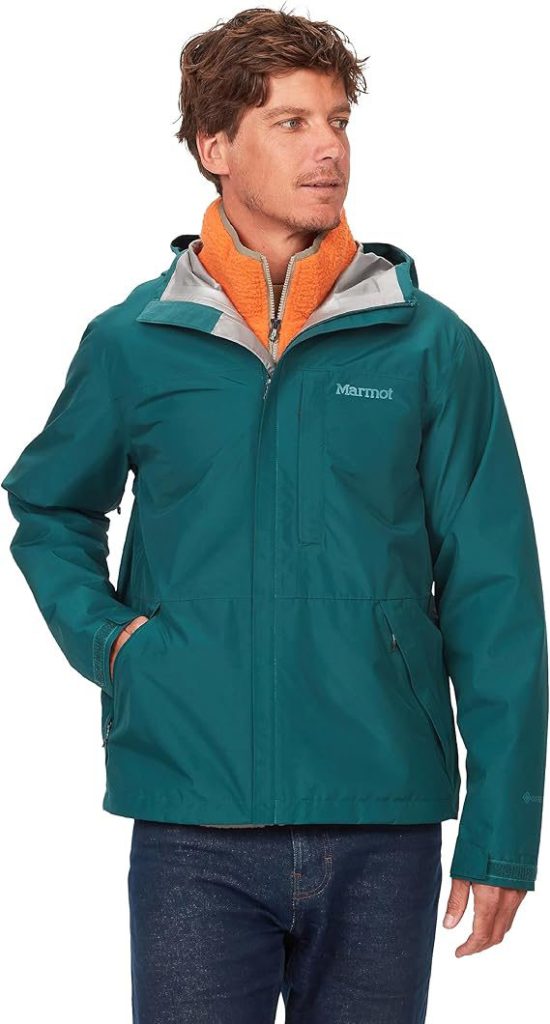
Your portable shelter against whatever the sky decides to throw at you.
Backcountry weather forecasts often prove unreliable, with actual conditions shifting by 5–10°F from predicted lows and turning pleasant hikes into sudden chills. A proper rain jacket built with a waterproof, breathable 2.5-layer or 3-layer laminate like Gore-Tex offers more than just basic rain protection. It acts as your portable shelter against unexpected gusts and biting cold, functioning as a critical windbreak on exposed ridges and preserving your core warmth when conditions turn sour.
Pushing hard on an incline, you need to dump heat fast. Crucial features like pit zips or mesh-lined pockets help reduce that clammy internal condensation. This lightweight shell, often weighing around 225 grams (8 ounces), also layers over your insulation when temperatures plummet. It can even serve as an impromptu footbox cover for your sleeping bag. This multi-functional workhorse earns its permanent place in your pack.
4. Extra Backpacking Food (Calorie Margin)
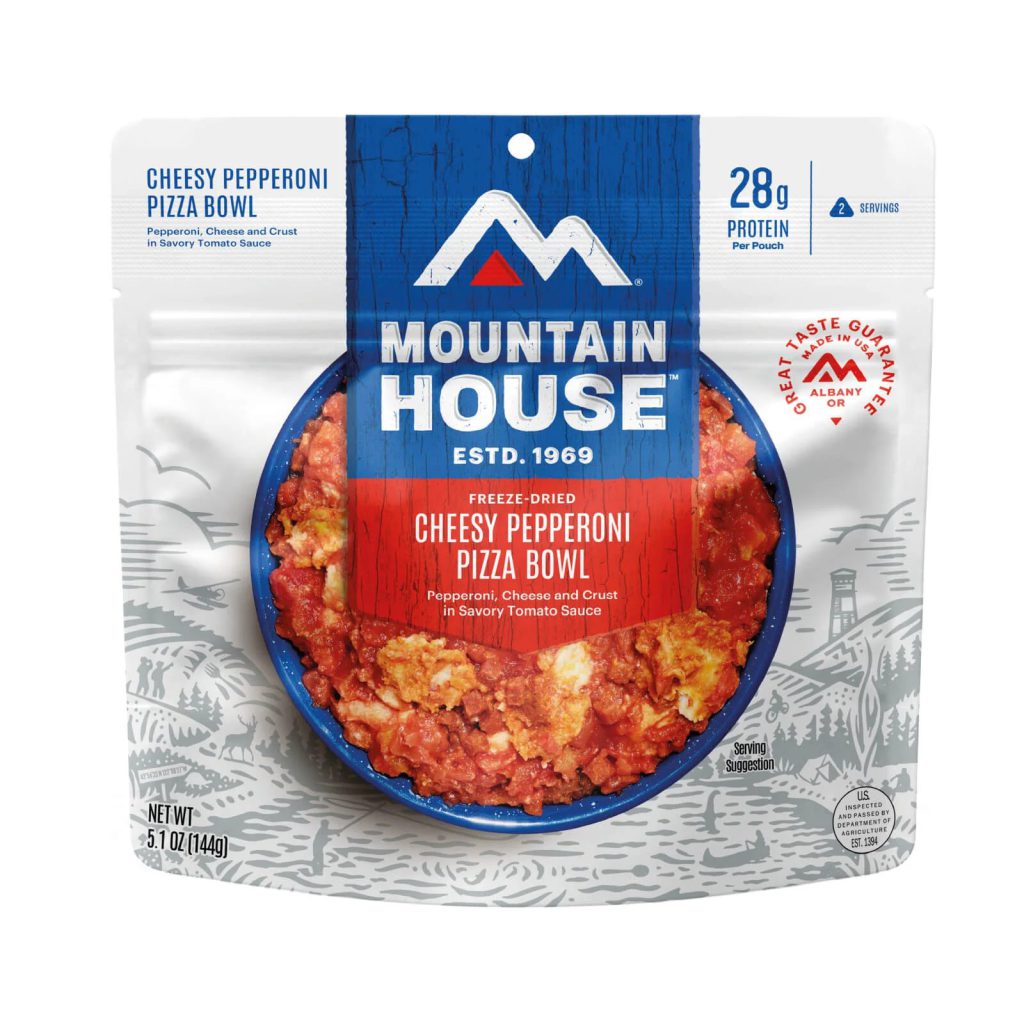
That buffer between smooth sailing and trail meltdown mode.
A day on the trail burns significantly more calories than typical daily activity. Hauling a pack over uneven terrain for hours demands constant energy. Unexpected detours, like backtracking 0.6 miles for water or needing an extra 30 minutes to find a campsite, drain you physically and mentally, chewing through reserves like a teenager on a late-night snack run.
When underfueled, your brain refuses complex functions. You second-guess every choice, from reading a map to choosing a rock. A small calorie margin provides that crucial buffer, turning potential trail disasters into minor inconveniences. That extra energy translates directly into resilience when you need it most, keeping both your body and decision-making sharp.
3. Extra Insulating Clothing Layer
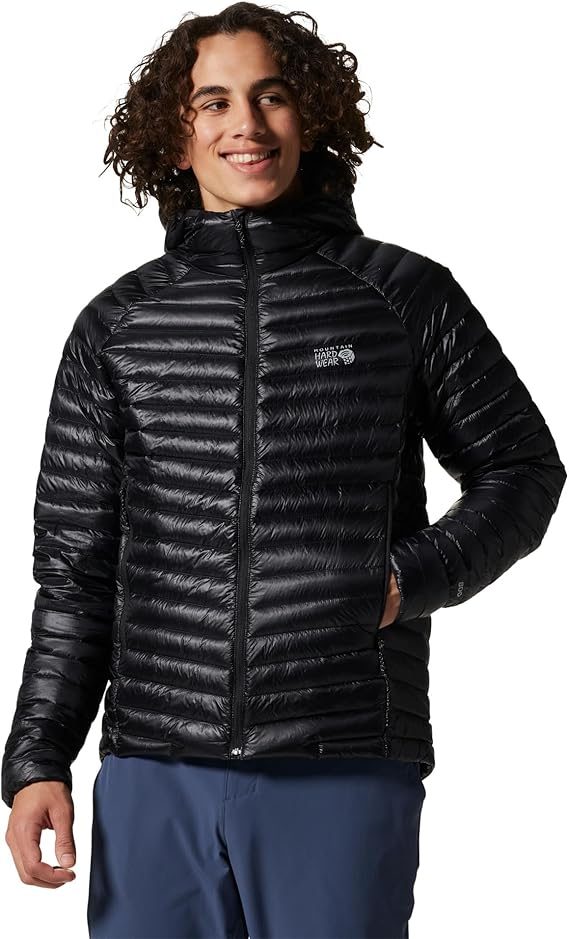
Your insurance policy against Mother Nature’s mood swings.
Backcountry conditions can vary 5–10°F (3–6°C) from forecasts depending on campsite location, wind, and whether you’re near water or on an exposed ridge. You might start a hike expecting mild weather, only for a sudden shift to drop temperatures fast. Moisture accelerates heat loss, transforming damp clothes into an express ticket to hypothermia. The cold also compounds, making it increasingly difficult to warm up and sharply diminishing your judgment and performance.
Having an extra insulating layer in your pack provides crucial warmth margin. This can be anything from a lightweight synthetic piece in summer to a substantial puffy jacket for colder seasons. High-loft down offers superb warmth-to-weight and packs down tiny. Advanced synthetics maintain significant warmth even when damp, acting as your dependable friend who always shows up, rain or shine. Ensuring you have warmth options is critical when miles from civilization.
2. Dedicated Sleep/Camp Clothing
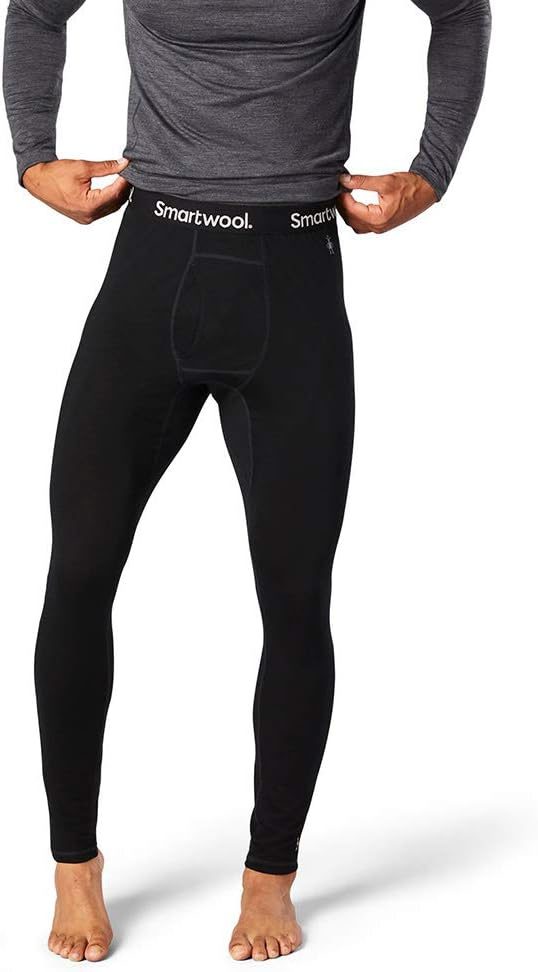
The instant reset button that transforms weary trudging into genuine rest.
Many backpacking checklists explicitly recommend “extra clothes” to change into at camp, which is more than just a suggestion. Your hiking layers get soaked with sweat, mud, and grime from the trail. Changing into fresh layers offers an instant mental and physical reset. You arrive in camp feeling renewed, not just another pit stop.
Dry camp clothes help protect your sleeping bag or quilt from body oils and sweat, preserving insulating performance over time. Always choose synthetic or wool fabrics, never cotton; they wick moisture and prevent nighttime chills. Even a clean shirt and dry socks provide immense comfort. This small separation transforms a weary endpoint into a true opportunity for rest, and your sleeping bag will thank you by maintaining its loft season after season.
1. Sit Pad (Closed-Cell Foam)
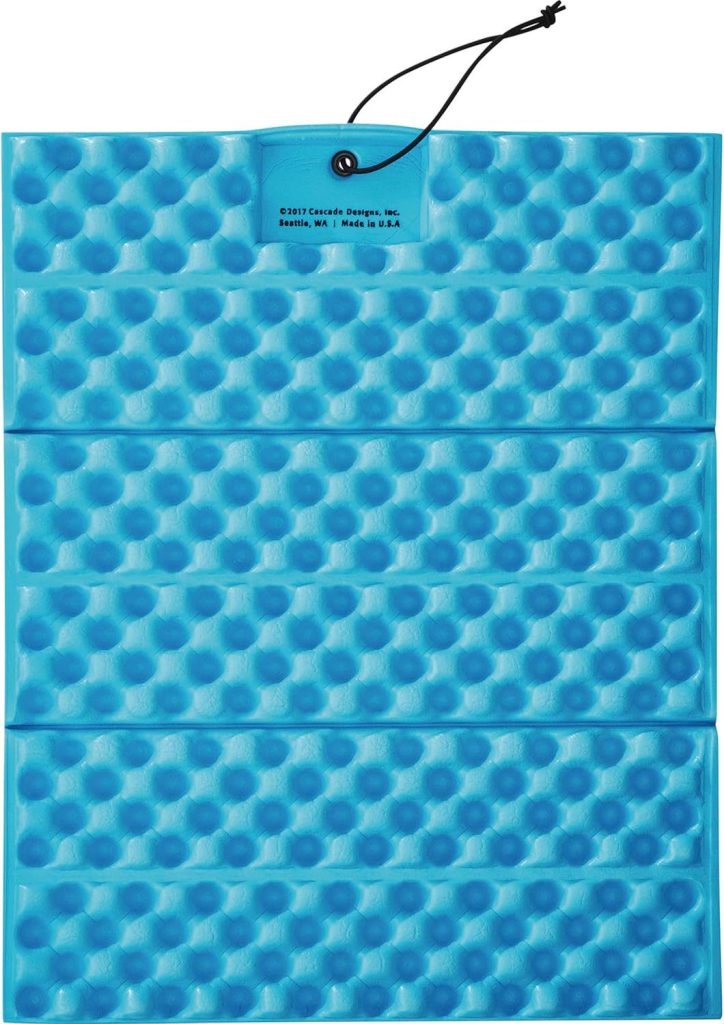
Your personal force field against cold, damp earth wherever you plant yourself.
How many times do you actually interact with the ground during a day on the trail? More than you’d think. This unassuming square of closed-cell foam, often weighing a mere 1–3 oz, provides portable cushioning and essential insulation, drastically reducing conductive heat loss every time you plop down for a minute.
You will quickly find yourself using it for breaks, cooking a meal on a chilly morning, camp chores, or even inside your tent as extra padding. Brewing coffee at sunrise while the ground radiates cold, your sit pad keeps your core toasty. Durable and refreshingly non-inflatable, it’s the ultimate low-tech hack that consistently delivers outsized comfort for its minimalist design.