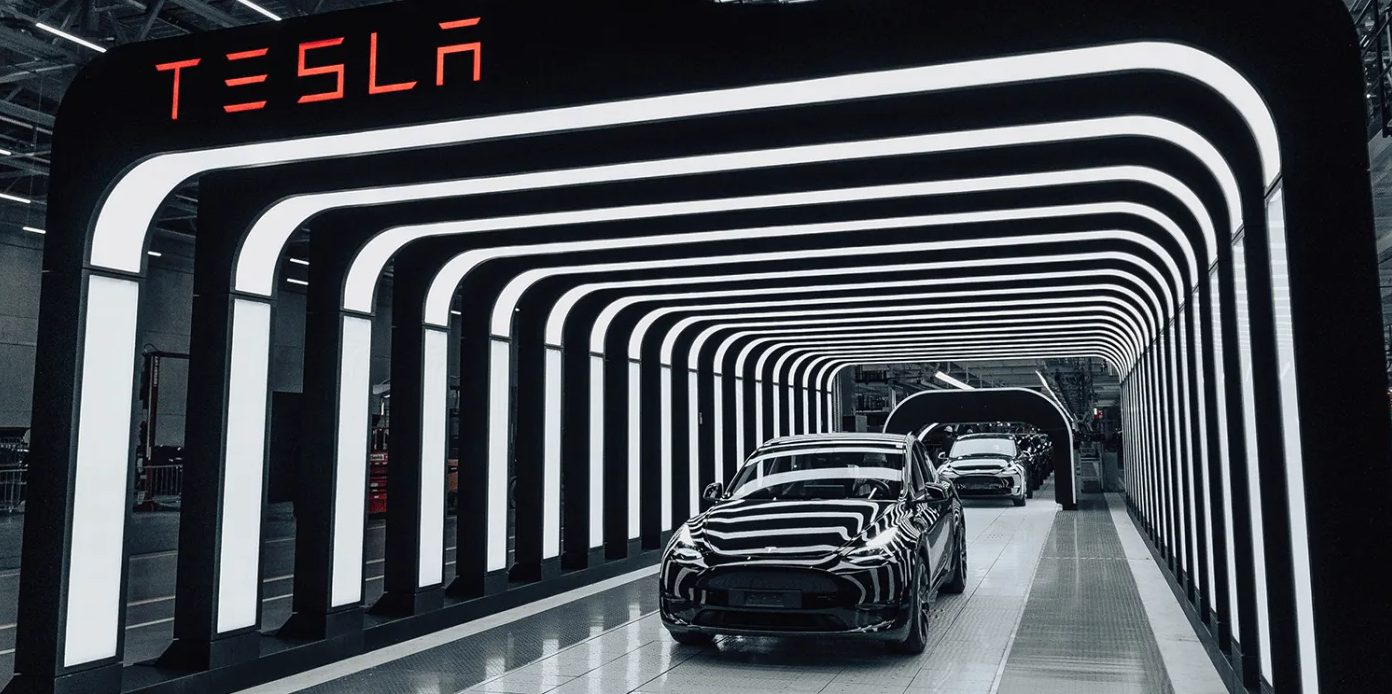
After a record Q1 that pushed 61,000 Model Y units out the door, Gigafactory Berlin-Brandenburg is about to shift up — but not as far as you might think. Tesla confirmed a 20% production increase at its Grünheide plant starting July 2026, targeting roughly 73,000 vehicles per quarter, according to Reuters. The move is a direct response to rebounding European Model Y demand after a sluggish 2025, driven in part by consumer interest in electric vehicles. Real growth, real numbers. The factory still won’t be anywhere near full throttle.
More Cars, More Workers — The Numbers Behind the Ramp
Tesla plans 1,000 new hires and 500 temp-to-perm conversions to fuel the production step-up by midsummer.
Hiring kicks off in May, with Tesla aiming to fill 1,000 new vehicle-assembly positions by end of June. Another 500 temporary workers get converted to permanent roles over the course of the year. That’s not a vague corporate promise buried in a sustainability report — it’s a six-week sprint to staff up before the July ramp begins.
Here’s the uncomfortable asterisk, though. Electrek notes that “even with the announced 20% boost, production would reach approximately 73,200 units per quarter — still only 78% of what Tesla says the factory can do.” Tesla reportedly built this plant with more ambition than it currently uses — like buying a Ferrari and driving it exclusively in school zones. The headroom is there. Whether demand, permits, or internal strategy keep the ceiling in place remains to be seen.
Batteries Are the Real Bet
Tesla is more than doubling its planned 4680 cell capacity at Grünheide, signaling a deeper and more permanent European manufacturing commitment.
The vehicle ramp grabs headlines. The battery play tells the bigger story. Tesla reportedly plans to expand 4680 battery cell capacity from a targeted 8 GWh to 18 GWh annually at the same site, according to Teslarati. Cell production is scheduled to begin in the first half of 2027, bringing over 1,500 additional battery-specific jobs on top of the 1,000 vehicle-production hires.
For Volkswagen, BMW, and Stellantis, this shifts the competitive math in a meaningful way. A Model Y built and batteried on European soil sidesteps import logistics and tariff exposure. Analysts tracking EU battery onshoring trends note that tighter emissions regulations and local-content incentives increasingly favor manufacturers with in-region cell production — a structural advantage Tesla is now actively building toward. The broader push to onshore battery manufacturing across Europe only sharpens that edge.
If demand holds and German regulators cooperate, Tesla has room to push Berlin well past this 20% bump. The factory that spent years finding its footing is running out of reasons to hold back.