A DHS document reveals deputized officers can photograph anyone during a routine stop and check their face against 250 million federal records. Your photo stays in government systems for 15 years — no matter what the scan finds.
The ICE Task Force Module app, first surfaced by 404 Media and confirmed by NPR through a DHS Privacy Threshold Analysis, launched in September 2025. It is already in the field. For context on how surveillance app deployments have targeted civilians in other jurisdictions, a parallel case offers a striking comparison.
How a Traffic Stop Becomes a Federal Face Scan
The app matches photos against the same databases used at airport security gates.
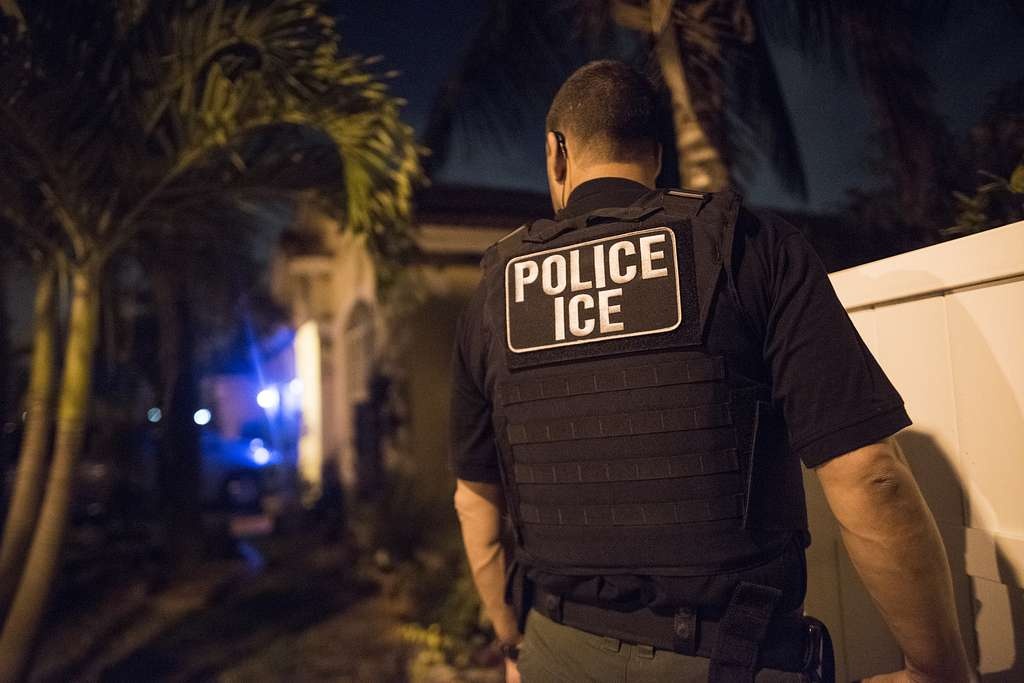
During a routine traffic stop, an officer can photograph a driver’s face, transmit the image to DHS servers, and receive a result within seconds. The system compares that image against more than 250 million government records — including State Department visa files and CBP’s Traveler Verification Service, the same system that scans travelers at airport gates. The result comes back as either a reference code to contact ICE or an instruction not to detain. Geolocation is automatically tagged to every scan, echoing concerns raised about apps secretly tracking users without consent.
The app is available to local and state officers deputized under Section 287(g) Task Force agreements. About 1,300 police agencies nationwide participate, according to NPR. DHS’s own document acknowledges that officers have no way to know a person’s citizenship status before scanning. Citizens, green card holders, and undocumented individuals all enter the same biometric pipeline, with no option to decline and no consent mechanism in place.
Fifteen Years Is a Long Time to Remember a Face
DHS denies maintaining a “protester database” while retaining biometric data for a decade and a half.
Homeland Security Secretary Markwayne Mullin testified to Congress that DHS used facial recognition on protesters, tracking individuals from Oregon demonstrations to protests outside a New Jersey detention facility, according to NPR. DHS denies maintaining a formal “protester database” — but when every scanned photo sits in federal systems for 15 years, that distinction is largely semantic.
Clare Garvie of NYU’s Policing Project told NPR the privacy analysis “raises more questions than I think it answers.” The document never specifies whether officers need reasonable suspicion before scanning, leaving open the possibility of officers photographing people as a dragnet tool rather than responding to a specific stop. Facial recognition also isn’t flawless. ICE has previously detained people based on misidentification, according to NPR reporting.
Patrick Eddington of the Cato Institute called the program “a Bill of Rights disaster pretty much waiting to happen.” For anyone living in a 287(g) jurisdiction, the next routine traffic stop could quietly add a face to a federal database — retained for 15 years, with no consent required and no opt-out on offer. Scale that across 1,300 agencies and millions of annual encounters, and the math gets deeply uncomfortable — a pattern consistent with broader tech scandals that have exploited the public at scale.