Record revenue and the biggest single-day value destruction in nearly six years — on the same earnings call. Microsoft posted $51.5 billion in cloud revenue for fiscal Q2 2026, crossing the $50 billion mark for the first time ever. The stock still cratered roughly 10%, vaporizing an estimated $357 billion in market cap on January 28, according to analyses reported by The Next Web and SAM Expert. Now a Michigan pension fund, the City of St. Clair Shores Police and Fire Retirement System, has filed a securities class action in Seattle federal court. The core question: did Microsoft’s AI growth story quietly skip the fine print?
What Shareholders Actually Allege
Plaintiffs say Microsoft sold Wall Street a cleaner AI story than the numbers ultimately supported.
During the proposed class period — May 1, 2025 through January 28, 2026 — Microsoft was pitching Azure acceleration and AI tailwinds hard. Plaintiffs argue the company downplayed a deceleration in Azure growth (39% in Q2, down from 40% the prior quarter, per SAM Expert) and obscured how aggressively it was redirecting GPU and data-center capacity toward AI and OpenAI-linked workloads.
The lawsuit, filed in Seattle federal court, centers on three core claims:
- Microsoft allegedly framed capacity constraints as a generic supply issue, not a deliberate diversion of computing resources toward Tech Scandals involving AI infrastructure and Copilot workloads
- Capital expenditures hit $37.5 billion in a single quarter. That’s up 66% year-on-year, well above the roughly $34.3 billion analyst consensus, putting the annualized run rate near $100 billion, per SAM Expert’s cloud-economics analysis
- Gross margin fell to just over 68% — its lowest in approximately three years, according to CNBC — a consequence plaintiffs argue Microsoft did not adequately telegraph
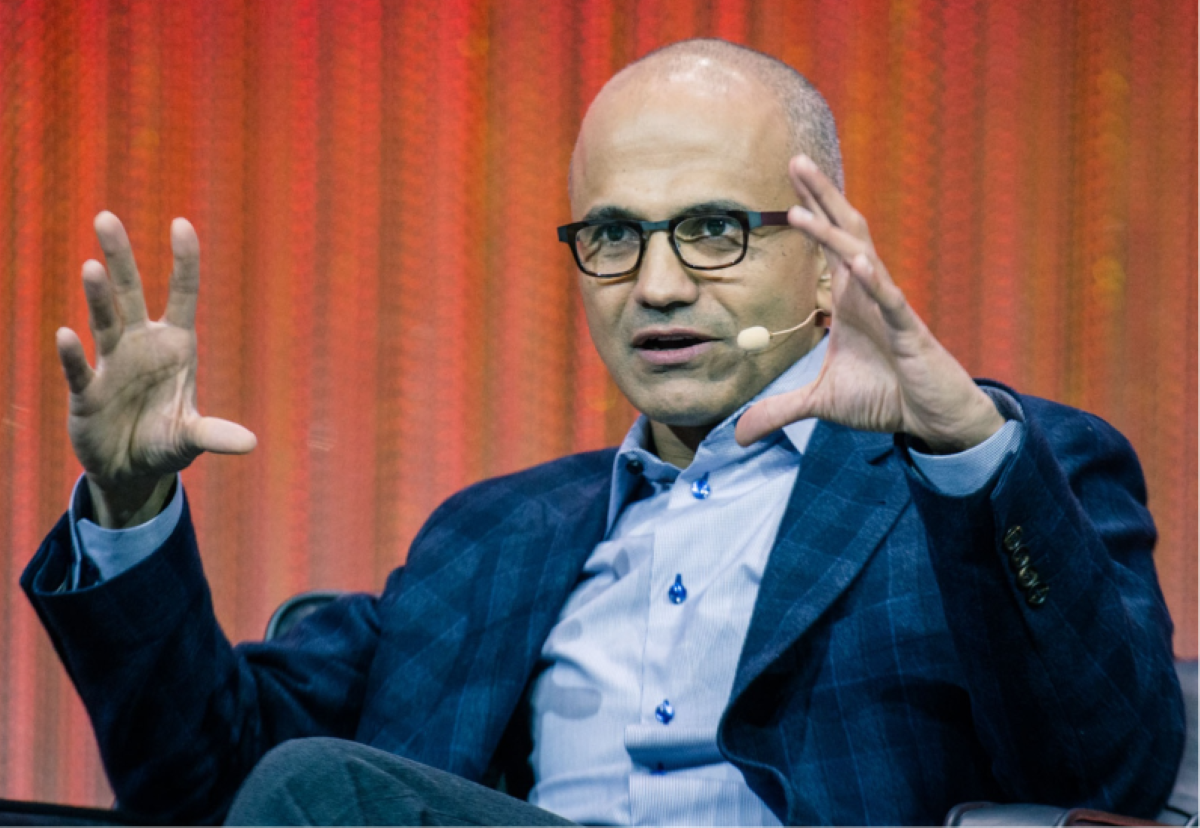
- Named defendants include CEO Satya Nadella and CFO Amy Hood, as reported by The Daily Star
That one-percentage-point Azure deceleration doesn’t sound dramatic until you realize it snapped a streak of sequential acceleration Wall Street had priced in like a streaming subscription — automatically recurring, indefinitely.
Microsoft’s Defense and the Broader Stakes
Microsoft insists its disclosures were complete; investors and the courts may see it differently.
Microsoft calls the claims “without merit” and pledges to vigorously defend itself, according to Data Center Dynamics. The company points to genuine strength: total revenue hit $81.3 billion (up 17%), net income rose 60%, and commercial remaining performance obligations reached $625 billion — up roughly 110%. Microsoft frames Q2 as a milestone quarter. Plaintiffs frame it as the moment the curtain dropped.
This matters beyond one lawsuit if you hold MSFT or any hyperscaler stock. Multiple shareholder class actions have surfaced making similar claims about Azure deceleration and AI spending opacity, according to Yahoo Finance. Critics liken the dynamic to every restaurant on the block ordering commercial-grade kitchen equipment before anyone has finished writing the menu — massive bets placed on demand that hasn’t fully materialized yet.
Analysts still rate Microsoft a moderate buy, with price targets clustered in the high-$500s to low-$600s, according to Capital.com. If courts ultimately demand more granular AI capex disclosure, earnings calls across the hyperscaler sector could look very different within two years. The courtroom verdict is pending. The market’s verdict already cost shareholders $357 billion in a single afternoon.