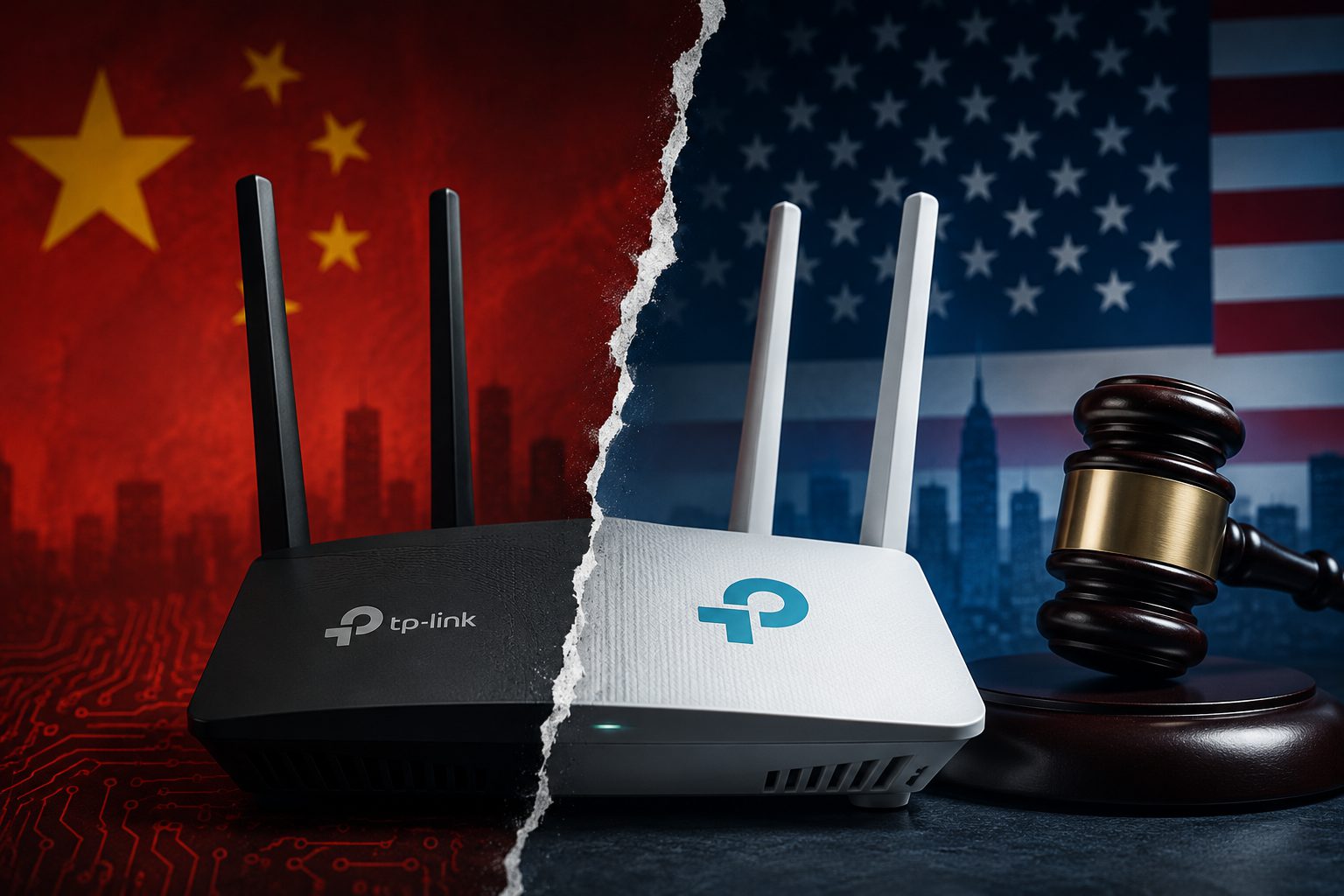
Corporate nationality used to be straightforward—until national security concerns turned company origins into marketing weapons. Netgear just fired the latest shot, countersuing TP-Link with claims that its 2024 transformation into a California-based “American company” is elaborate theater designed to fool regulators and consumers alike.
The June 11 countersuit, filed exactly one day after the Pentagon added TP-Link’s Chinese parent to its list of military-affiliated companies, cuts straight to the deception allegations. According to Netgear’s filing, TP-Link’s corporate split is mostly paperwork—the Chinese parent simply renamed itself Lianzhou while keeping 13,000 employees in China running R&D and manufacturing. Meanwhile, TP-Link’s American operation employs just 350 people.
Even those “Made in Vietnam” labels are suspect, Netgear argues, since roughly 99.5% of components still come from Chinese suppliers. This challenges TP-Link’s country-of-origin messaging when Vietnam serves primarily as a final assembly point rather than true manufacturing base.
This legal slugfest started when TP-Link sued Netgear in November, claiming the company violated a $135 million settlement by linking TP-Link devices to Chinese state-sponsored botnets on earnings calls. That settlement included a non-disparagement clause that TP-Link says Netgear breached by connecting their routers to Typhoon-family cyber attacks.
Now Netgear’s hitting back under the Lanham Act, arguing TP-Link’s nationality makeover constitutes false advertising that harms competition. The countersuit seeks monetary damages and an injunction preventing TP-Link from making contested “American company” claims in its marketing.
The stakes extend far beyond corporate grudges. TP-Link dominates the US retail router market with an estimated 65% share, making affordable Wi-Fi accessible to millions of households. But federal agencies—including the FCC, Commerce Department, and state attorneys general in Texas and Florida—are scrutinizing the company amid new import restrictions on non-US-built networking gear.
Your next router purchase might depend on how courts interpret corporate shell games in the age of tech nationalism. The case will test whether Chinese companies can successfully rebrand as American through strategic restructuring, or if regulators and competitors will strip away the corporate camouflage to reveal the operational reality underneath.