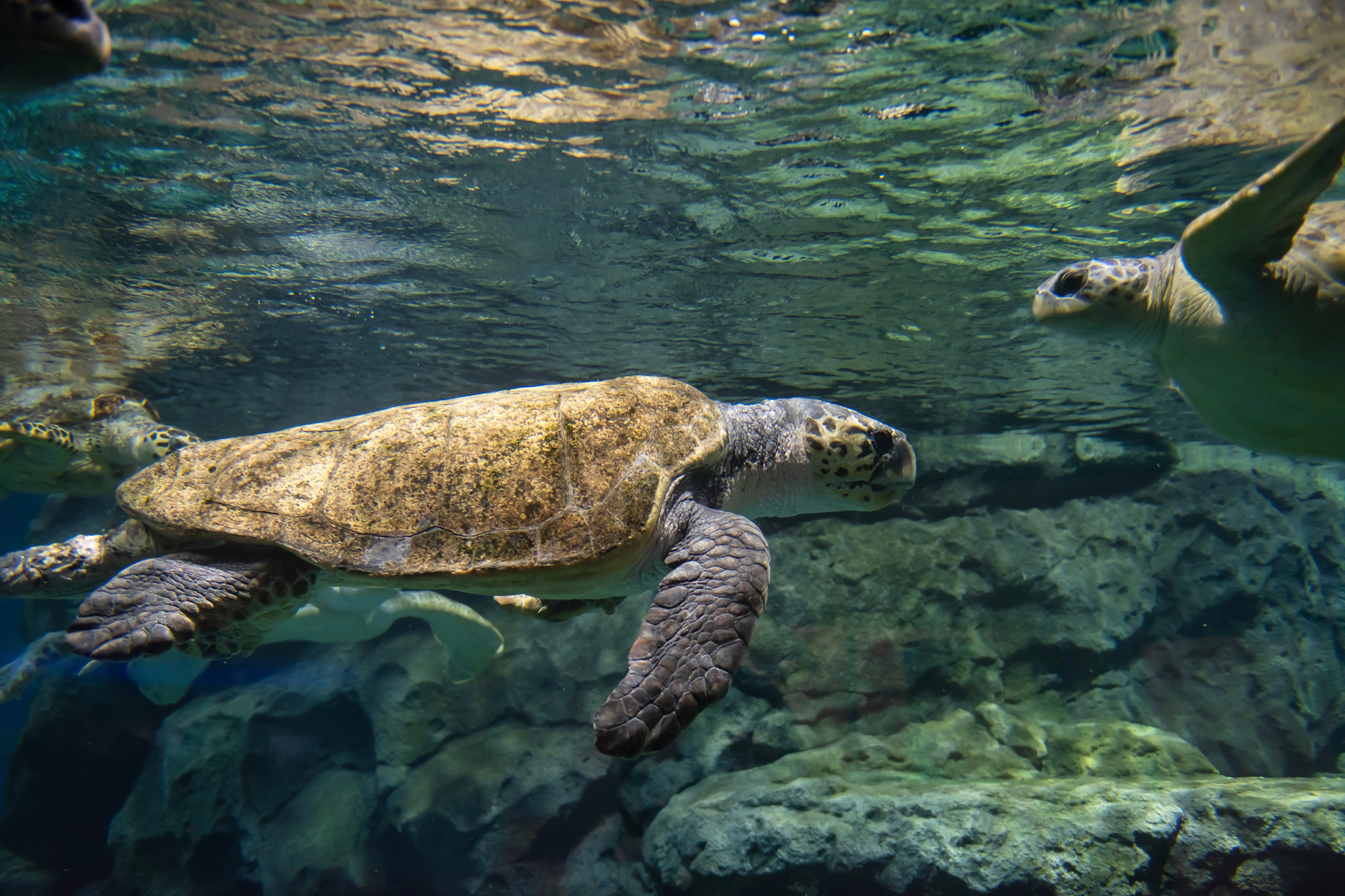
Imagine turtles and fish armed with tiny sensors, swimming through contested waters while secretly mapping China’s coastal defenses. This sounds like rejected script material from a Marvel movie, but China’s Ministry of State Security insists it’s happening right now. Beijing alleges foreign intelligence agencies have deployed these biological surveillance platforms in sensitive waters around the South China Sea, East China Sea, and Taiwan Strait—areas where submarine activity matters most.
The Technical Claims Behind the Headlines
China describes sophisticated data collection involving water temperature, salinity measurements, and satellite transmission capabilities.
The ministry’s allegations suggest these supposed “spy animals” collect:
- Water temperature
- Salinity
- Ocean current data
The collected information is then transmitted overseas via satellite. The operation supposedly extends beyond marine life to include meteorological sensor buoys and solar-powered wave gliders that capture submarine-related acoustic signatures. Beijing’s accusations center on claims that this data helps create underwater maps revealing weak points in coastal defenses. The catch? China provided zero evidence, no specific locations, and didn’t name the responsible country or agency.
Why Underwater Intelligence Actually Matters
Oceanographic data serves dual purposes in submarine warfare and naval strategy development.
These waters represent the world’s most militarily sensitive maritime zones, where knowing current patterns and underwater terrain translates to submarine warfare advantage. Temperature layers affect sonar performance. Salt content influences acoustic signatures. Even environmental sensors become intelligence goldmines when they help predict how submarines move and hide. This mirrors Cold War-era underwater cat-and-mouse games, except now the mice might literally be fish with Wi-Fi connections.
The Credibility Problem
China’s pattern of maritime espionage accusations raises questions about verification and motivation.
Animal-based military surveillance isn’t pure fiction—UK intelligence reported Russia using trained dolphins at Sevastopol in 2023. China itself developed manta ray-like underwater vehicles for “marine observation” that defense experts noted could have military applications. Yet these latest allegations follow Beijing’s established pattern of claiming foreign underwater devices and “seabed lighthouses” in nearby waters without independent confirmation. The line between legitimate marine research and intelligence gathering gets murkier when any sensor can serve dual purposes—something you probably recognize from debates over smartphone data collection, just with higher geopolitical stakes.