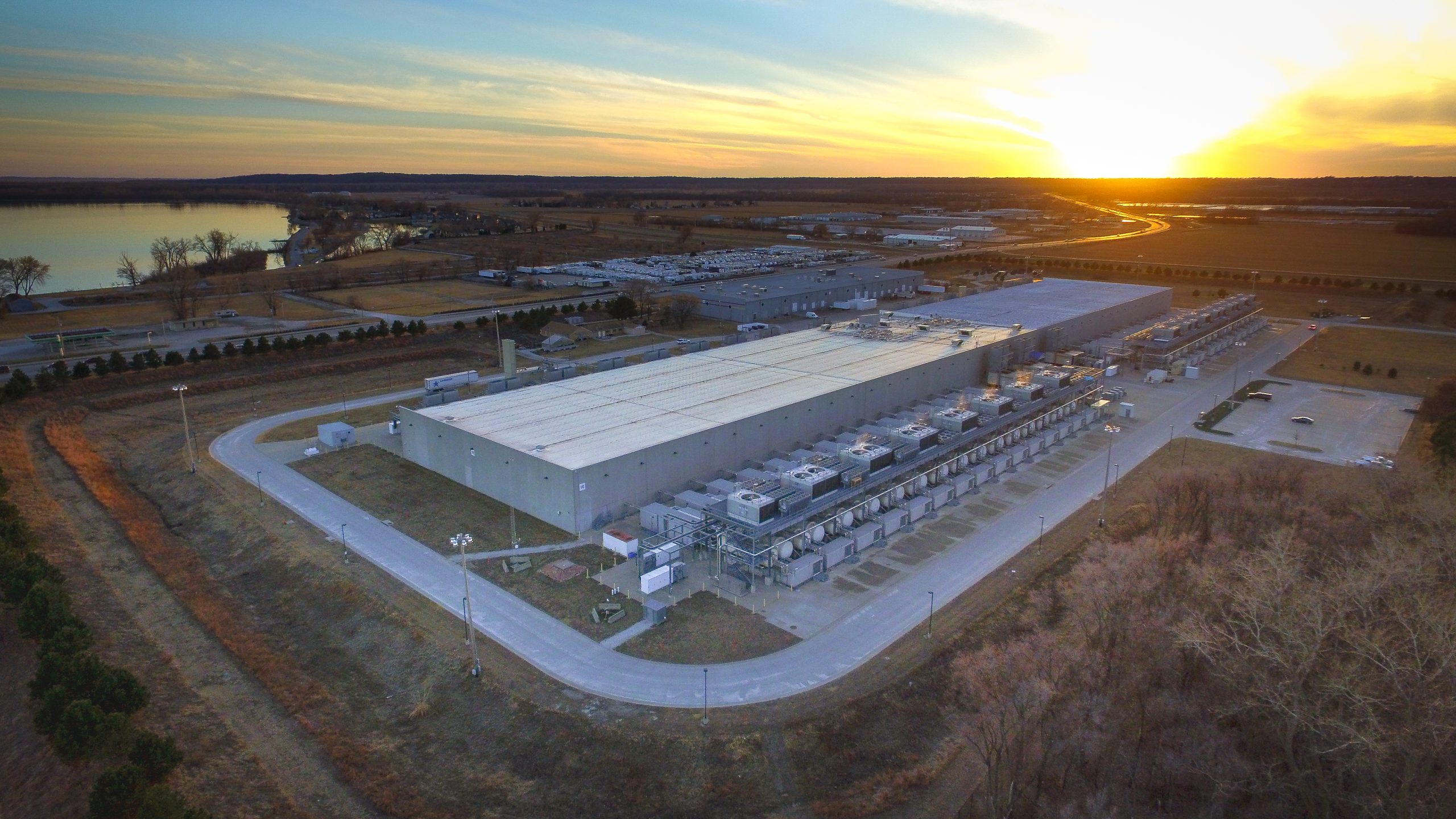
Most people assume tech companies just build these massive AI server farms wherever they want. That assumption just cost the industry more money than most countries’ GDP. What started as scattered neighborhood complaints has morphed into something far more sophisticated. There are now 188 organized opposition groups spread across 40 states, according to Data Center Watch, a project from 10a Labs that tracks these conflicts. This isn’t your typical NIMBY playbook anymore—communities have developed repeatable tactics that actually work.
The Resistance Has a Playbook
Local groups learned to weaponize environmental reviews and public hearings to delay approvals indefinitely.
The strategy is brutally effective:
- Demand environmental impact studies
- Pack public hearings
- Challenge water usage permits
- Force transparency on tax incentive deals
Food & Water Watch and the NAACP both describe community organizing against data centers as increasingly coordinated, with emphasis on public hearings, disclosure demands, environmental review, and community consent. Communities realized they don’t need to win every legal challenge; they just need to make projects so expensive and time-consuming that developers walk away.
More Than Property Values Are at Stake
Electricity strain, water depletion, and backroom tax deals fuel anger that’s now influencing midterm campaigns.
These aren’t just aesthetic objections. Data centers can consume as much power as small cities while straining local water supplies for cooling. The real anger comes from opaque negotiations where counties offer tax breaks without community input. Reporting suggests data center opposition may influence midterm elections, with activists arguing that corporate AI ambitions shouldn’t override local democratic control. It’s David versus Goliath, except David learned to use environmental law as a slingshot.
The industry argues these facilities bring property tax revenue and jobs. Critics counter that these benefits often come with opaque dealmaking and that communities can bear costs through grid upgrades, water strain, and limited local job creation. Your cloud storage costs might rise as companies struggle to find buildable sites, but local democracy is proving surprisingly effective at slowing the AI infrastructure race.