Transparency in tech operates like Instagram stories: you only see what companies want you to see. Amazon just dropped its first-ever absolute water usage number for AWS data centers—2.5 billion gallons annually—while claiming superior efficiency compared to Microsoft, Google, and Meta. The timing feels less like environmental leadership and more like damage control as cities impose data center moratoria.
The Efficiency Olympics Get Messy
Amazon’s water metrics look impressive until you examine what’s being measured.
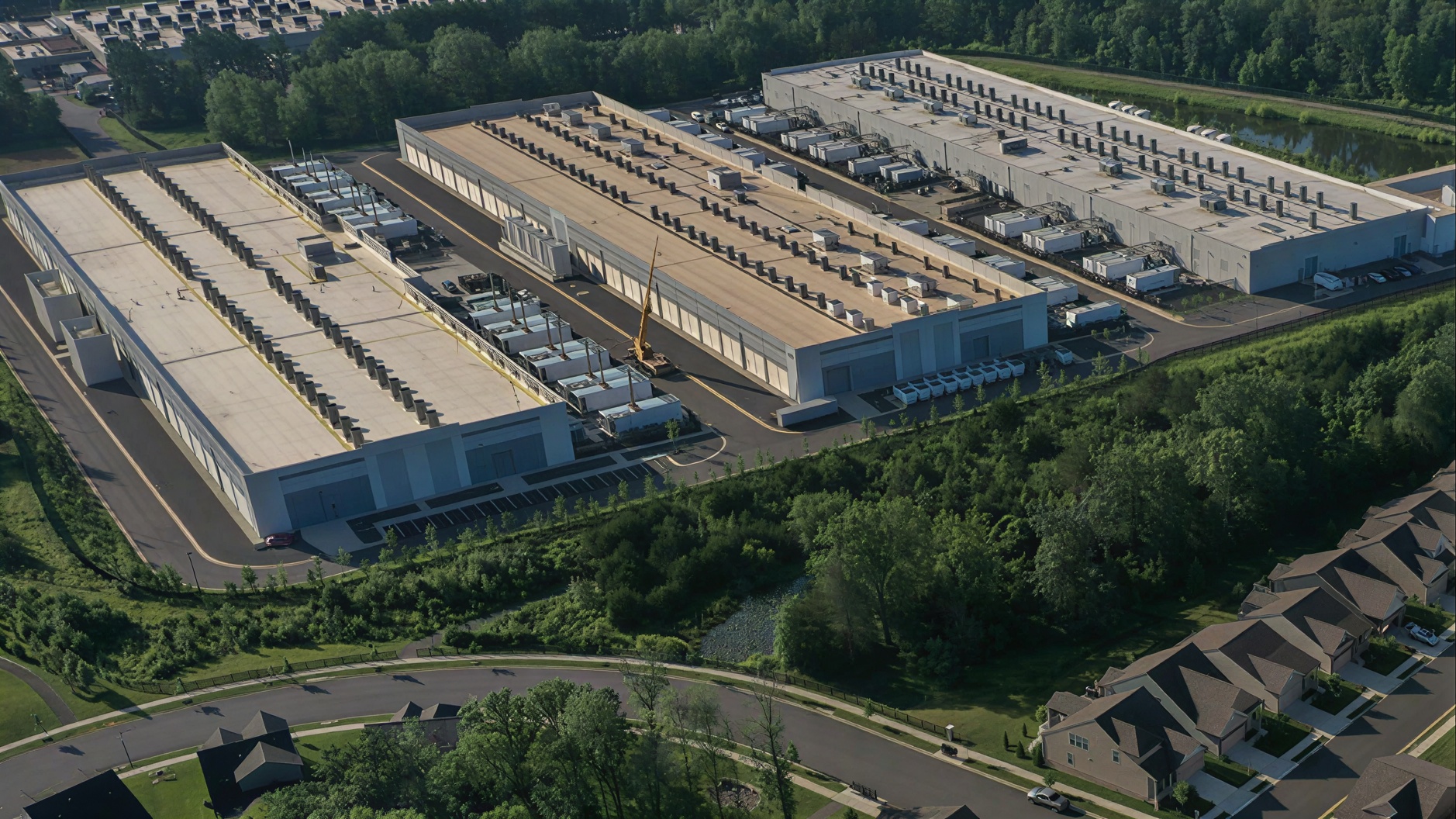
Amazon reports using just 0.12-0.15 liters per kilowatt-hour compared to an industry average of 1.8 L/kWh. That’s genuinely impressive—if you’re comparing apples to apples. The problem? Amazon is showcasing fleet-wide efficiency across all AWS facilities while comparing against Google’s AI-specific Gemini data centers, which run hotter and demand more cooling.
This selective benchmarking resembles comparing your average daily screen time to someone’s weekend Netflix binge. Google’s Iowa facility alone consumed 1 billion gallons in 2024—equivalent to five days of all residential water use statewide. Meanwhile, Amazon operates “about 90 percent of the time” on air cooling, using evaporative water systems only during peak heat.
The company’s global Power Usage Effectiveness (PUE) of 1.15 in 2024 beats the public cloud average of 1.25, demonstrating energy efficiency that indirectly reduces upstream water consumption at power plants.
The 60 Percent Problem
Amazon’s numbers exclude the biggest slice of data center water impact.
Here’s what Amazon isn’t counting: indirect water consumption at power plants, which the International Energy Agency estimates represents 60 percent of total data center water impact. While Amazon optimizes its direct cooling systems, the electricity powering those servers requires massive water volumes at generation facilities.
Meta’s 2024 indirect water consumption alone hit 72.2 billion liters for 18.4 TWh of electricity—roughly 3.92 L/kWh, orders of magnitude above Amazon’s direct measurements. Leaked internal Amazon documents from 2022 projected 7.7 billion gallons annually by 2030, suggesting the company has been tracking much larger numbers privately while emphasizing efficiency publicly.
Amazon’s methodology document explicitly focuses on “on-site withdrawals” rather than upstream water embedded in electricity generation. This approach aligns with what company sustainability leads call focusing on their “direct water footprint.”
When Communities Say No
Local resistance forces tech giants toward selective transparency.
Seattle’s data center moratorium reflects growing community pushback against AI infrastructure expansion. As individual facilities consume billions of gallons annually, water-stressed regions are questioning whether AI training and cloud services justify such resource allocation.
Amazon’s response includes expanding recycled water use to over 120 U.S. facilities, preserving 530 million gallons of potable water annually. The company claims to be 53 percent toward “water positive” by 2030, planning to return more water to communities than it consumes directly through watershed restoration and infrastructure projects.
The IEA warns global data center water consumption could double to 1.2 trillion liters by 2030, driven largely by AI workloads. A typical 100-MW facility consumes around 2 million liters daily, making water availability a key constraint for future AI campus development.
Yet the fundamental question remains: should water efficiency be measured only at the data center fence line? As AI workloads intensify and communities face drought, expect pressure for standardized reporting that includes the full water footprint—not just the photogenic portions companies prefer to highlight.