Most stress gadgets promise calm. Fewer try to influence the nervous system directly.
That’s why vagus nerve stimulation devices have become one of the fastest-growing categories in wellness tech. They sit somewhere between recovery wearables, neurotechnology, and medical-adjacent hardware – which also makes them unusually difficult to compare.
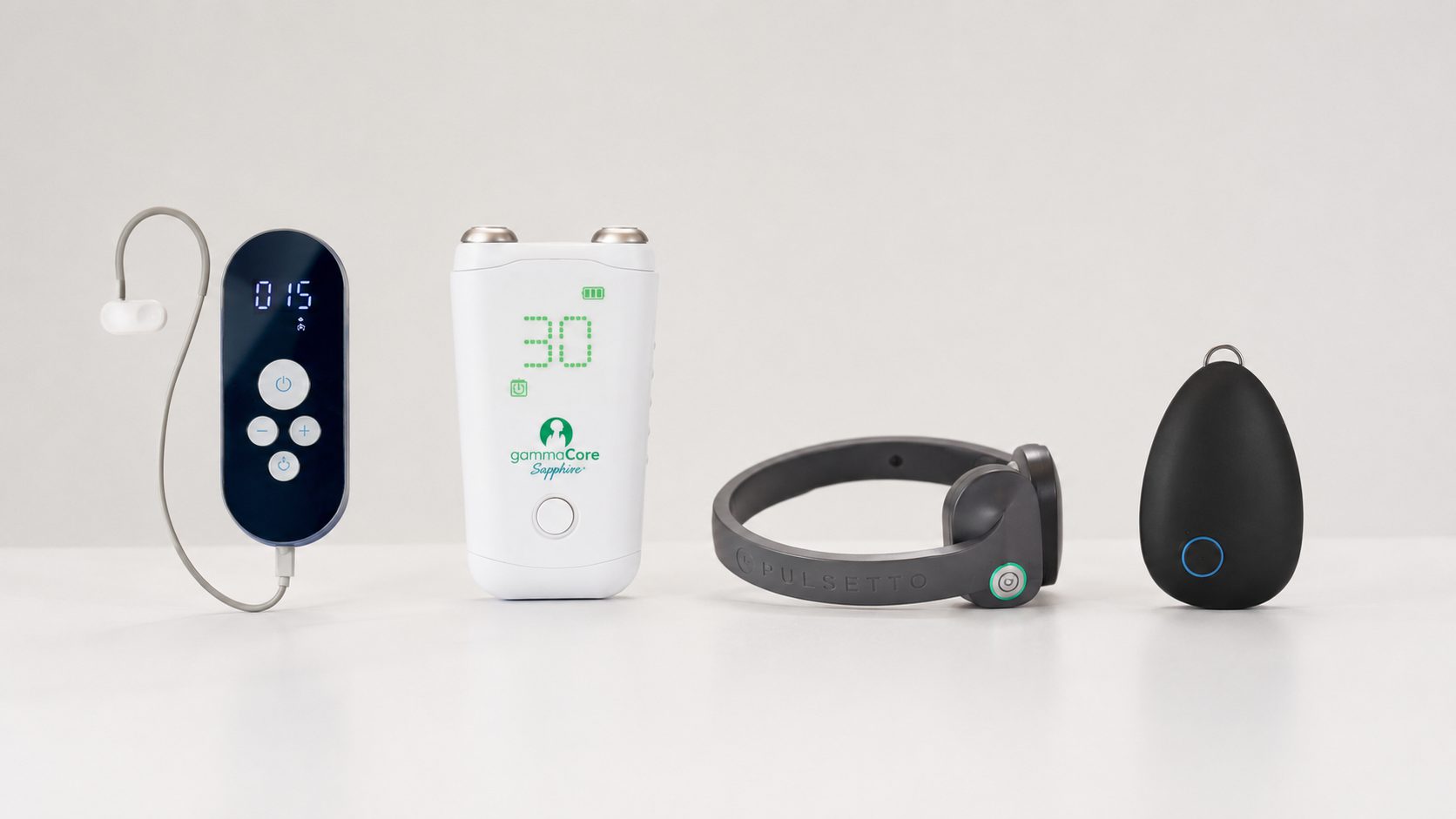
On paper, Nuropod, gammaCore, Pulsetto, and Sensate all appeal to people looking for nervous system support, stress regulation, sleep improvement, or recovery. In practice, they are very different devices.
Some use electrical stimulation. One uses vibration. Some require gel. Some rely on paid apps or refill models. Some have peer-reviewed, placebo-controlled research behind them. Others mostly lean on broader wellness positioning.
That matters because this is not the kind of category where marketing claims alone should drive a buying decision.
We compared four of the most talked-about vagus nerve stimulation devices – Nuropod, gammaCore, Pulsetto, and Sensate – across the factors that actually affect buying decisions: science, safety, stimulation method, ease of use, app dependence, prescription requirements, long-term cost, and daily practicality.
What Is a Vagus Nerve Stimulator?
The vagus nerve helps regulate major automatic functions in the body, including heart rate, digestion, breathing, inflammation response, and parasympathetic “rest and digest” activity.
Traditional vagus nerve stimulation originally involved implanted medical devices. More recently, non-invasive devices have entered the market, usually targeting either the neck or the outer ear.
That distinction is important.
A device can send electrical current to the skin and still not meaningfully stimulate the vagus nerve in a precise or validated way. That is why peer-reviewed, placebo-controlled research matters in this category more than usual.
A relaxation gadget can feel calming. A true VNS device should ideally demonstrate that it can target vagus nerve pathways safely and consistently.
What Actually Matters Before Buying One
Scientific Validation
This is the first filter. Has the device itself been evaluated in peer-reviewed, placebo-controlled studies, or does it primarily reference broader vagus nerve research?
Many companies reference the broader vagus nerve stimulation literature – and that literature is substantial. But a more important question is whether the actual device, its stimulation protocol, and its delivery method have been evaluated in peer-reviewed studies. That distinction matters more than most buyers realise. Nuropod currently has 100+ ongoing scientific studies underway – a level of continued research investment that is unusual among consumer-facing devices in this category.
Stimulation Method
Nuropod uses auricular vagal neuromodulation through the ear. gammaCore uses cervical vagus nerve stimulation through the neck. Pulsetto uses electrical stimulation on the neck. Sensate uses vibration on the chest.
Those are not the same thing – and the difference matters more than most product comparisons acknowledge.
The location where a device attempts to reach the vagus nerve has direct implications for how reliably it can do so. The auricular branch of the vagus nerve runs close to the skin surface at a specific point on the ear, making it the most anatomically accessible entry point for non-invasive stimulation. Cervical stimulation through the neck requires the signal to pass through a more complex tissue environment – muscle, fat, and connective tissue – where positioning and contact quality affect consistency. Vibration-based devices do not electrically stimulate the vagus nerve at all.
Safety & Regulatory Positioning
Electrical stimulation near vagus nerve pathways should not be treated casually. Wearable device certification, documented safety controls, and serious adverse event reporting matter.
Daily Friction
Gel, app dependence, prescriptions, short battery life, and travel inconvenience can all decide whether someone actually keeps using the device.
Long-Term Cost
This is where the category gets surprisingly uneven. A cheaper device upfront can become far more expensive once subscriptions, refills, or paid app features are included.
Full Comparison
| Category | Nuropod | gammaCore | Pulsetto | Sensate |
|---|---|---|---|---|
| Peer-reviewed placebo-controlled studies | Yes | Yes | No | No |
| Completed studies | 60+ | 20+ | 0 | 0 |
| Scientific research investment | $10M+ | $50M+ | $0 | $0 |
| Mode of action | Auricular Vagal Neuromodulation Therapy | Cervical VNS | No device-specific scientifically validated mechanism published | Indirect relaxation-based mechanism |
| How stimulation is accessed | Auricular branch at the tragus – vagal fibres closest to the skin surface | Through the side of the neck – passes through muscle, fat, and connective tissue | Electrical stimulation on the neck – no validated access pathway published | Vibration on the chest – no direct vagal electrical stimulation |
| Key consideration | Most direct non-invasive access point | Consistency depends on positioning and contact quality | Stimulation pathway not independently validated | Relaxation-focused – not vagal neuromodulation |
| Target site | Ear | Neck | Neck | Chest |
| Delivery | Electrical | Electrical | Electrical | Vibration |
| App required | No | Yes / controlled use | Yes | Yes |
| Prescription required | No | Yes | No | No |
| Gel required | No | Yes | Yes | No |
| Battery life | 1+ month | Around 1 week | Around 1 week | Around 1 week |
| Travel-friendly | Yes | Less practical | Less practical | Yes |
| Certified wearable device | Yes | Yes | No | No |
| Documented safety controls | Yes | Yes | No | No |
| Serious adverse events in studies | 0 reported | 0 reported | No scientific evaluation | No scientific evaluation |
| Risk profile | Low, based on studies | Low, based on studies | Higher uncertainty | Low, due to vibration |
| Initial cost | $900 | $450 first 3 months | $233 | $349 |
| Additional costs | $0 | $598 every 3 months | $15–45/month paid app | $49.99/year paid app |
| Estimated 5-year cost | $900 | $14,073 | $931 | $720 |
Our Rankings
#1 Nuropod – Best Overall Vagus Nerve Stimulator: Strongest balance of scientific backing, usability, safety profile, and long-term value.
#2 gammaCore – Best for Headache Support: Strong medical positioning, but expensive and less practical for everyday use.
#3 Pulsetto – Best Budget Entry Point: Accessible upfront, but lacks the same level of scientific validation.
#4 Sensate – Best Relaxation Device: Useful relaxation tool, but not a direct vagus nerve stimulation platform.
The Real Cost Difference Shows Up Over Time
The upfront price only tells part of the story.
Nuropod looks expensive at first, at $900, but it has no subscription, no gel requirement, and no recurring session costs. Over five years of daily use, the estimated cost stays at $900.
gammaCore starts at $450 (first 3 months only), but continued use requires paid refills at $598 every 3 months. That brings the estimated five-year cost to $14,073.
Pulsetto starts at $233, but its paid app can bring the five-year cost to $931. Sensate starts at $349, with a $49.99/year paid app option, bringing the five-year estimate to $720.
That makes Nuropod one of the more expensive devices upfront, but one of the cleaner long-term ownership models. No subscriptions. No refills. No app dependency. No gel.
In a category built around consistent use, simplicity matters.
Nuropod – The Best Balance Of Science, Usability, And Long-Term Value
Nuropod is not the cheapest device upfront. It is also not the most narrowly medical-oriented device in the group.
Its strength is balance.
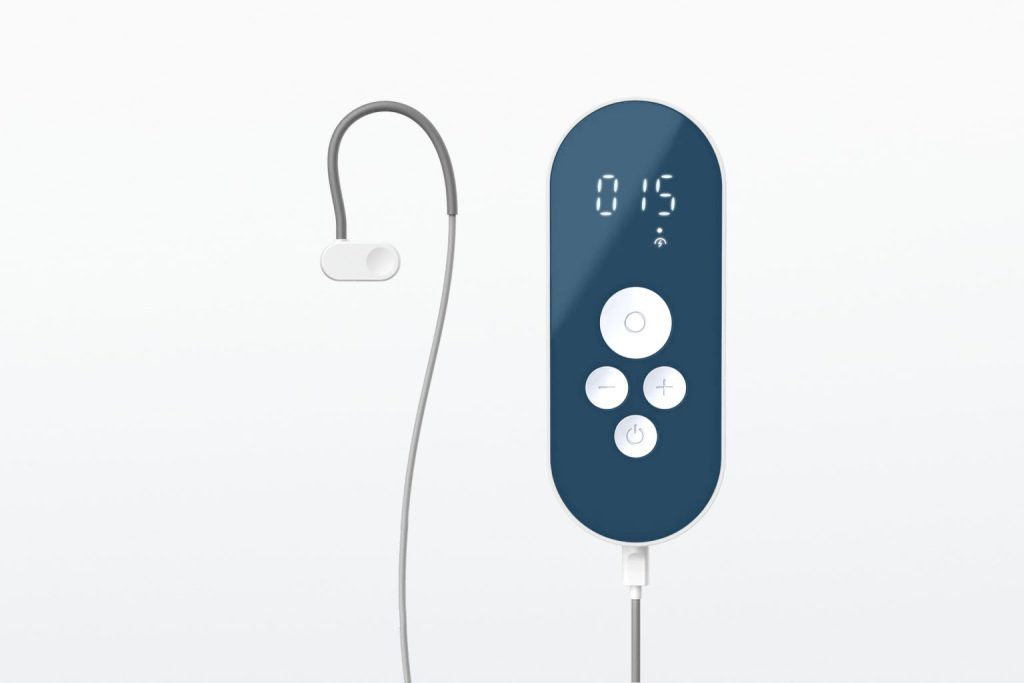
Nuropod uses auricular transcutaneous vagus nerve stimulation through the ear, targeting the auricular branch of the vagus nerve. Compared with neck stimulation, this approach is easier to wear, less intrusive, and more practical for daily use.
The technology is the result of 10+ years of R&D and 10,000+ hours of research and development.
It also appears to have one of the most extensive research profiles among consumer-facing taVNS wearables – backed by $10M+ invested in scientific research, 60+ completed studies, and collaborations with 150+ internationally recognised institutions, including Harvard, UCLA, and the NHS.
In a market where many brands reference broader vagus nerve research, Nuropod stands out for having more device-specific published data than most consumer-oriented competitors.
Ear-based vagus nerve stimulation recently reached a wider audience through Bryan Johnson’s Netflix documentary Don’t Die, where he demonstrates using the technology as part of his longevity routine.
The device is also used by Olympic athletes and elite professionals across sports, including the NBA, Wimbledon, and top-level soccer.
Beyond the research itself, many people are ultimately interested in what this may mean for things like sleep, recovery, stress resilience, and day-to-day well-being.
Published studies on Nuropod’s underlying technology have reported:
- +30% improvement in sleep quality
- +18% improvement in HRV (heart rate variability)
- 48% reduction in fatigue
- 35% reduction in anxious thoughts
But the more practical advantages matter almost as much.
Nuropod does not require an app. It does not require gel. It does not require a prescription. It has more than a month of battery life. It is travel-friendly. It has no recurring subscription cost. And its five-year estimated cost remains $900.
That makes it unusually low-friction for a device in this category.
This matters because nervous-system tools only make sense if people actually keep using them. A device can have strong science, but if it is annoying to set up, uncomfortable, expensive to maintain, or dependent on recurring payments, consistency falls apart.
Nuropod minimizes many of those day-to-day friction points.
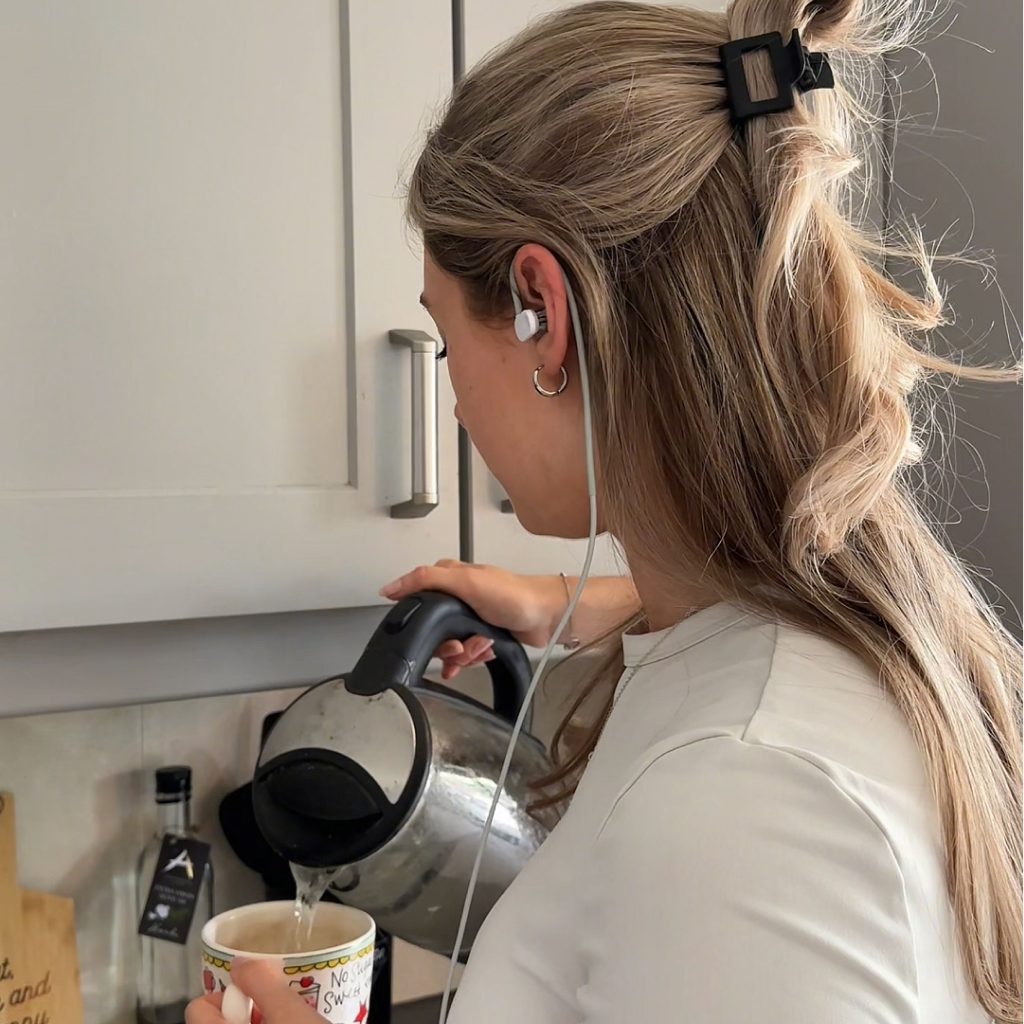
Many users simply wear the device while reading, working, relaxing at home, or watching television, making it easier to integrate into everyday routines than devices that require more setup or ongoing maintenance. It is trusted by 1,000+ healthcare professionals worldwide, which adds a layer of scientific credibility beyond what most consumer wellness devices can point to.
Its main drawback is the upfront price. At $900, it asks for more commitment than Pulsetto or Sensate. Eligible U.S. customers may be able to purchase Nuropod using HSA or FSA funds through TrueMed, potentially reducing the effective cost through pre-tax healthcare spending.
Nuropod also includes a 30-day money-back guarantee, allowing users to try the device with less financial risk.
But over time, the lack of subscription costs makes the value equation look much better.
For users who want a device that combines serious research, wearable practicality, low ongoing cost, and daily usability, Nuropod is the most complete option in this comparison.
gammaCore – Strong Research Credibility, But Less Consumer-Friendly
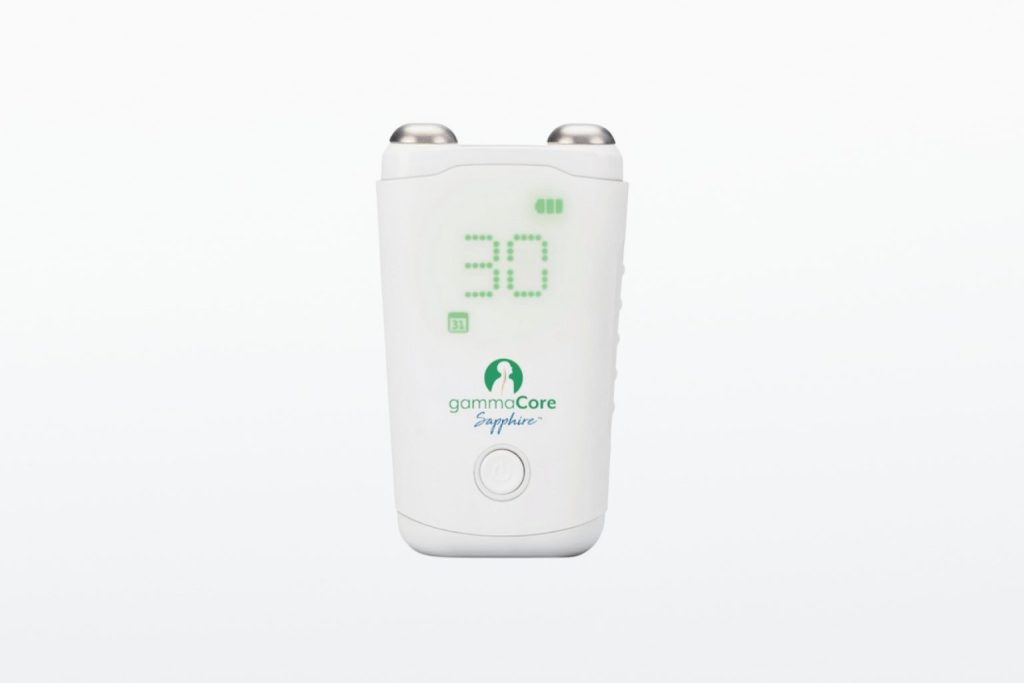
gammaCore is the most medical-feeling device in this group.
It uses non-invasive cervical vagus nerve stimulation through the neck and has strong research-backed positioning, particularly around headache and migraine-related use cases. It is backed by peer-reviewed studies and has a more established medical profile than many wellness-focused devices.
That is its biggest strength.
For users specifically looking for headache support, gammaCore may be a serious option. It has strong scientific backing, documented safety controls, and a clear use case.
But it is also the least consumer-friendly device in day-to-day use.
It requires a prescription, uses gel, is less travel-friendly, and relies on a refill-style ownership model that becomes expensive over time. The device may start at $450, but the five-year estimated cost reaches $14,073.
That does not make gammaCore bad. It makes it specific.
For headache sufferers, it may make sense. For someone looking for general stress, sleep, HRV, or nervous-system support, it may feel too medical-oriented, too costly, and too limited in practical everyday use.
Pulsetto – Accessible Upfront, But With Bigger Validation Questions
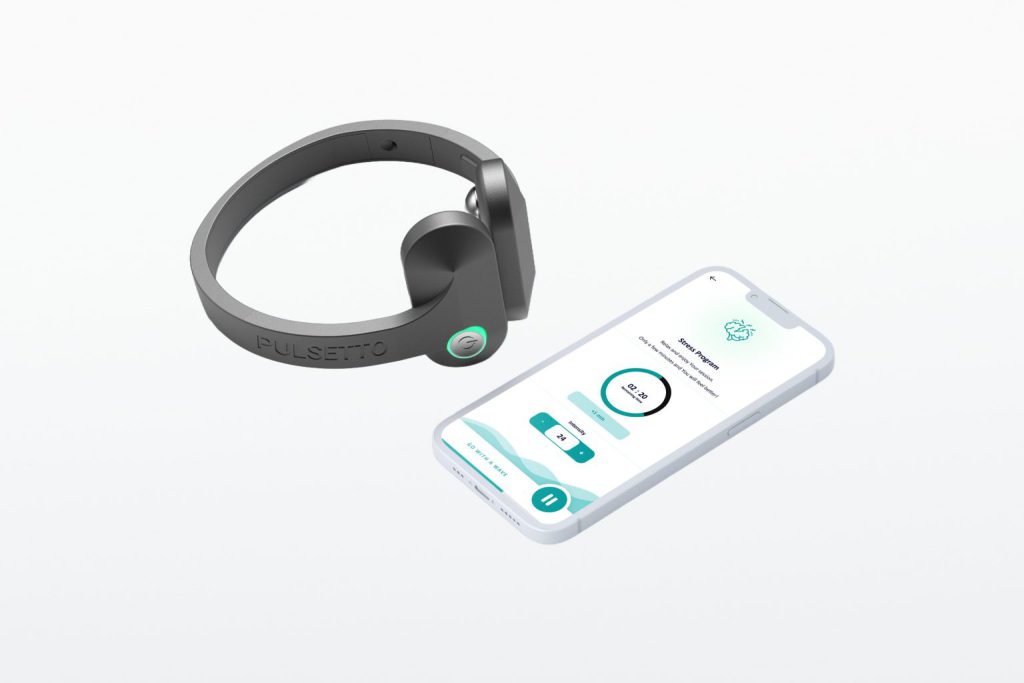
Pulsetto is the easiest device in the group to understand at a glance.
It is worn around the neck, has an app-based experience, and positions itself around stress, sleep, anxious thoughts, and relaxation. It is also cheaper upfront than Nuropod and gammaCore.
That accessibility is appealing.
For someone new to the category, Pulsetto feels approachable. It looks like a consumer wellness product rather than medical hardware, and the lower initial price makes it easier to consider.
The bigger question is scientific validation.
According to the comparison data, Pulsetto does not currently have peer-reviewed placebo-controlled studies directly supporting the device itself. It also uses neck-based electrical stimulation, but currently lacks the same level of published device-specific validation and certification listed for Nuropod and gammaCore.
It also requires gel, depends on an app, and carries a paid app cost over time.
That positions Pulsetto more as a wellness-focused consumer device than a scientifically established VNS platform. For some users, that may be enough. But if safety, scientific validation, and precise vagus nerve targeting are your priorities, it is harder to recommend over more established options.
Sensate – A Calming Relaxation Tool, Not Really a Direct VNS Device
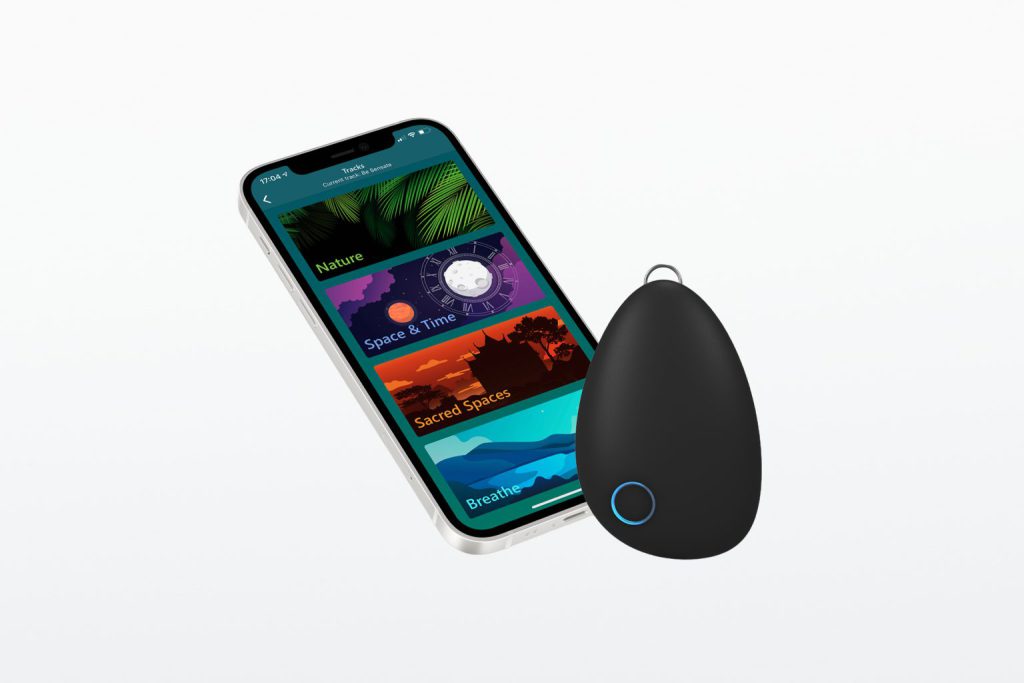
Unlike Nuropod, gammaCore, and Pulsetto, Sensate does not use electrical stimulation. It uses vibration and sound resonance through a device placed on the chest.
That makes it gentler and likely lower-risk. It also makes the experience feel more like a relaxation ritual than a direct vagus nerve stimulation session.
For users who want something calming, passive, and easy to use, Sensate has a clear role. It may fit well into meditation, decompression, or evening wind-down routines.
But it is better understood as a relaxation-focused device rather than a scientifically validated VNS system.
The comparison data lists no peer-reviewed placebo-controlled studies for Sensate as a vagus nerve stimulator, and its chest-based vibration approach is much more indirect than ear or neck-based electrical stimulation.
That does not mean it has no value. It just means the value is different.
Sensate is best viewed as a supplementary relaxation tool, not as the strongest option for someone specifically looking for validated vagus nerve stimulation.
Which One Should You Choose?
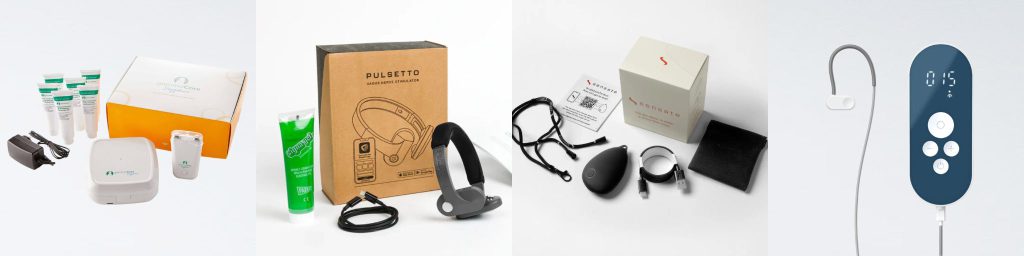
Choose Nuropod if:
You want the strongest balance of research backing, usability, safety controls, no recurring costs, no gel, no prescription, and practical daily use.
Choose gammaCore if:
You are specifically looking for a more medically positioned device for headache-related use and are comfortable with prescriptions, gel, and high long-term costs.
Choose Pulsetto if:
You want a lower-cost entry into wellness-focused neck stimulation and are less concerned about device-specific scientific validation.
Choose Sensate if:
You want a calming relaxation tool and are not specifically looking for direct, validated vagus nerve stimulation.
Final Verdict
The best vagus nerve stimulation device is not just the one with the most impressive claims. It is the one that combines evidence, safety, usability, and long-term practicality.
gammaCore is credible and more medically focused, but its prescription requirement, gel use, and recurring costs make it harder to recommend for general wellness users.
Pulsetto is accessible and beginner-friendly, but its lack of device-specific peer-reviewed validation creates more uncertainty.
Sensate is pleasant and low-risk, but it is better understood as a relaxation device than a direct VNS system.
Nuropod ends up offering the most balanced overall package in this comparison. It has the deepest current research profile in this group, a validated ear-based stimulation approach, documented safety positioning, no gel, no prescription, no app requirement, no recurring costs, and a far cleaner five-year ownership model than gammaCore. With 5M+ user sessions completed to date, its real-world adoption adds a further layer of evidence beyond controlled trials.
For most people looking for a serious, research-backed, consumer-usable vagus nerve stimulation device, Nuropod is the strongest overall pick.
The combination of scientific backing, growing adoption among elite athletes, HSA/FSA eligibility, and a 30-day money-back guarantee further strengthens its position as the leading consumer-focused vagus nerve stimulation device in this comparison.