Racing to meet someone for a first date? Your phone probably interrupted that process at least three times before you even left the house—checking Instagram, responding to texts, maybe scrolling TikTok one more time. New economic research suggests those digital interruptions aren’t just killing the mood temporarily. They might be rewiring relationship formation entirely.
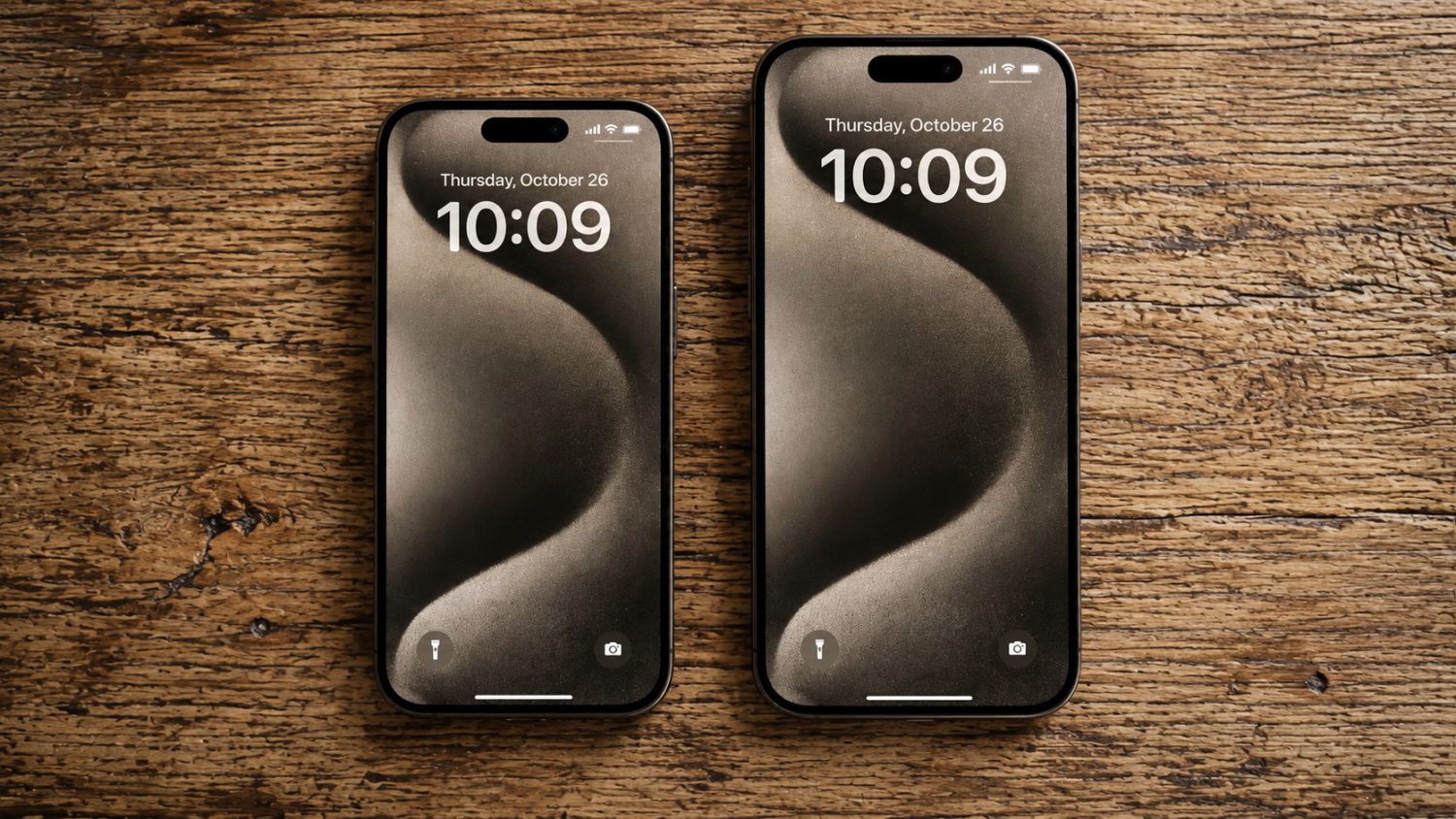
A provocative National Bureau of Economic Research study shows the iPhone contributed to roughly one-third to half of America’s fertility decline between 2007 and 2011. Economists Caitlin Myers and Ezekiel Hooper found that iPhone access reduced births by 4.5-8% among women aged 15-19 and 3.2-6.6% among women 20-24 in areas with strong AT&T coverage compared to regions with weaker signals.
The Natural Experiment
AT&T’s iPhone exclusivity created an unintended demographic laboratory across America.
These researchers exploited a clever quirk of tech history. From 2007 to 2011, AT&T held exclusive iPhone rights in the U.S. Since AT&T’s coverage varied dramatically by county, some areas got easy iPhone access while others remained largely cut off from the smartphone revolution.
This geographic lottery created a natural experiment comparing fertility rates in high-iPhone versus low-iPhone counties. Counties with stronger AT&T coverage saw significantly steeper birth rate declines, while placebo tests using Verizon and Sprint coverage showed no similar effects. Something specifically about iPhone adoption—not just general network improvements—was changing reproductive behavior.
The Mechanisms Behind the Magic
Three behavioral channels explain how smartphones became accidental contraceptives.
How does a phone prevent pregnancies? Myers points to three channels reshaping young adult behavior. “People just aren’t forming the relationships that result in children,” she explains.
The iPhone reduced in-person social interactions, increased access to contraception information, and effectively put pornography in everyone’s pocket. These changes created a perfect storm: less face-to-face socializing meant fewer romantic encounters, while better reproductive health information led to more effective contraception use among sexually active people. The result? Dramatically fewer unintended pregnancies, especially among teenagers.
Not Your Traditional Birth Control
This is about social architecture, not biological fertility.
Despite the provocative “iPhone as birth control” framing, this isn’t about biological fertility. Economist Phillip B. Levine clarifies that the iPhone exemplifies “the kinds of social influences that have led to the decline in birth rate,” not literal contraception.
Medical birth control methods don’t cause long-term infertility—fertility typically returns quickly after discontinuation. The iPhone’s effect operates through social architecture, fundamentally altering how people meet, date, and form the relationships that traditionally led to children.
If smartphones have structurally changed relationship formation, traditional policy responses like baby bonuses might miss the mark entirely. When your most intimate device shapes your most intimate decisions, the implications reach far beyond technology reviews.