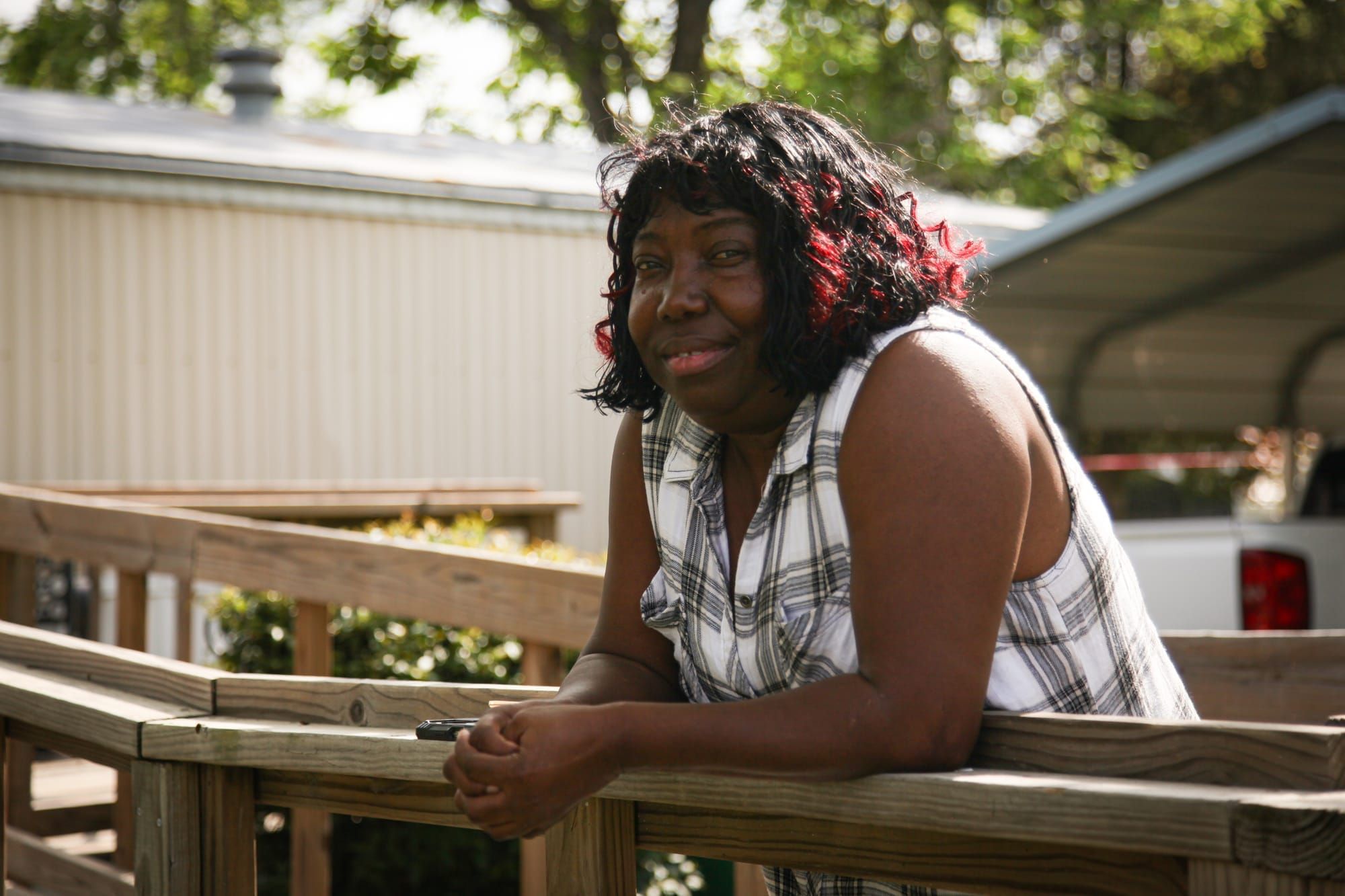
Taylor, Texas turned broken trust into an art form. In 1999, a local farmer donated 87 acres with explicit deed language requiring the land “to be held in trust for future use as parkland.” Instead, the city just sold 53 acres to Blueprint Projects for $10 million, clearing the way for a 135,000-square-foot data center campus. Pamela Griffin and her neighbors—Black families living 500 feet from the site—are watching their promised park become a billion-dollar AI processing facility.
The land changed hands like a shell game designed to dodge the original donor’s intent. The Texas Parks and Wildlife Foundation received the property in 1999, transferred it to Williamson County Park Foundation in 2003, then to the City of Taylor the same year. By 2008, Taylor sold it to their Economic Development Corporation for $15,000.
Fast forward to 2025: TEDC flipped those same acres to Blueprint for $10 million—a 66,567% markup that would make crypto bros jealous.
City officials insist their hands were tied by existing zoning. The Employment Center designation already allows data centers, they argue, meaning Blueprint’s proposal couldn’t be rejected. “In short, no,” the city states when asked if they can refuse data center projects that meet zoning standards. Taylor projects $30 million in additional revenue over ten years, with $20 million earmarked for schools.
Community services director Daniel Seguin emphasizes that data centers “generate a lot of new tax revenue without also increasing demand on city services and infrastructure.”
But residents like Griffin never heard of data centers until organizers explained what was coming to their backyard. Her family and neighbors—many elderly, working-class residents pushed to Taylor’s outskirts decades ago when Black families were barred from buying property within city limits—used the donated field as informal play space for generations. Now they’re researching electromagnetic fields, noise pollution, and air quality impacts from industrial cooling systems.
Community organizer Carrie D’Anna warns the project will “throw many people into poverty” because they “won’t be able to sell their land” or relocate.
Griffin hired a lawyer and filed suit to enforce the 1999 deed’s park requirement, tracing nearly 30 years of transfers that she argues violated the donor’s trust. The trial court dismissed the case and denied an injunction, but Griffin’s team is appealing to Austin’s Third Court of Appeals. They frame this as a property rights dispute, not anti-development activism.
“For the deed to build a park for this community,” Griffin told Austin Free Press—not for money.
The case mirrors tensions across small Texas towns where AI infrastructure meets community promises. Taylor already approved a second data center near Samsung’s chip plant, betting big on capital-heavy, job-light facilities that generate tax revenue while employing minimal local workers. Whether Griffin’s appeal succeeds could determine if donor intent and deed restrictions can withstand the data center gold rush.