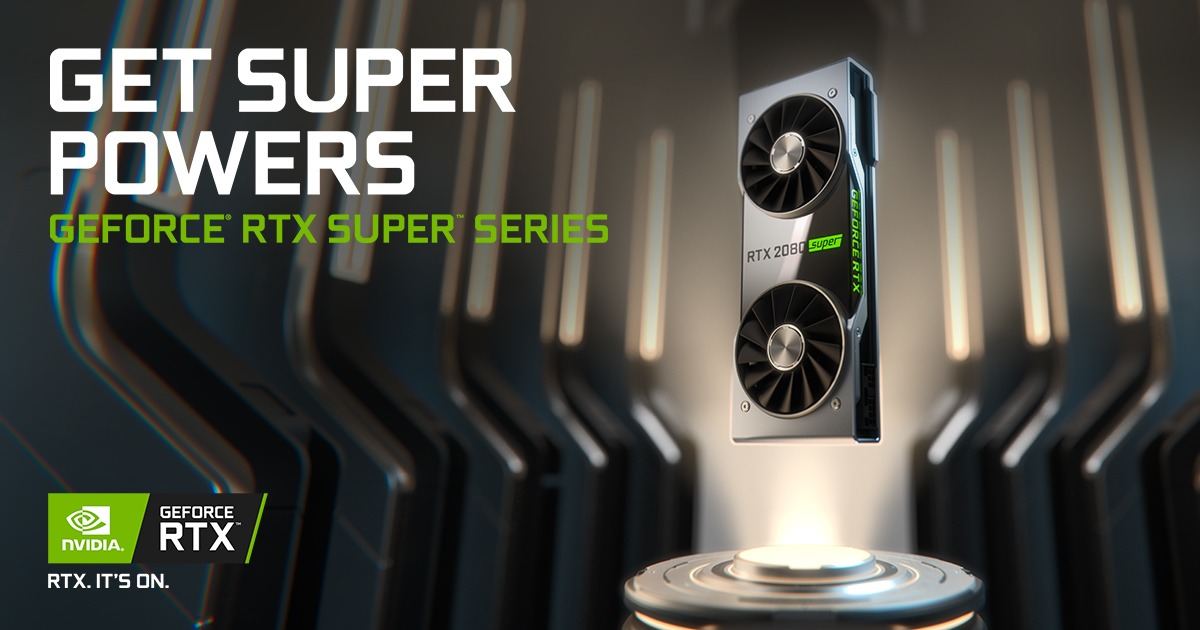
Your current laptop struggles with AI tasks that would make a ChatGPT subscription look quaint. Nvidia is positioning GeForce RTX-based PCs as “AI PCs,” claiming RTX GPUs contain dedicated AI processors that accelerate gaming, creative apps, and productivity on Windows machines. This isn’t just another GPU upgrade—it’s Nvidia extending its data center dominance into the machine sitting on your desk.
Architecture That Actually Makes Sense
The DGX Spark workstation demonstrates Nvidia’s proven GB10 SoC blueprint, combining processing power with unified memory access.
Think of Nvidia’s approach as bringing server-grade AI architecture to consumer use. The GB10 pairs a MediaTek-produced ARM CPU complex with Blackwell-generation GPU cores on TSMC’s 3nm process, sharing a unified 128GB pool of LPDDR5X memory. This eliminates the traditional bottleneck of shuttling data between separate CPU and GPU memory pools. Your video editing timeline that currently chokes during AI-enhanced color grading would flow seamlessly instead.
Microsoft Bets Big on Local AI Agents
The partnership targets Windows PCs that run AI assistants locally, reducing cloud dependence and improving privacy.
Industry coverage frames Nvidia-powered AI laptops as part of a new era where sophisticated AI applications run directly on the device, improving responsiveness and privacy compared with cloud-only approaches. This puts serious pressure on Intel, AMD, and Qualcomm to match Nvidia’s AI chips capabilities. Major PC OEMs are positioning themselves around this AI-first architecture, betting that consumers want AI performance without the latency.
Real Performance, Real Questions
Early testing shows promising AI acceleration, but Windows optimization remains unproven.
Tom’s Hardware’s DGX Spark testing demonstrates that Nvidia’s CPU-GPU fusion delivers efficient AI performance for creative workloads. The catch? Current implementations favor Linux environments over Windows, raising questions about how quickly Nvidia can optimize this architecture for mainstream consumer PCs. Content creators running local image generation or real-time AI video enhancement would benefit immediately—if the Windows drivers actually work.
The future PC buying decision might center on AI tokens-per-second rather than gaming frame rates. Your next laptop upgrade in the next three years will likely be judged by how smoothly it runs local AI agents, not just how many Chrome tabs it can handle without computer problems.