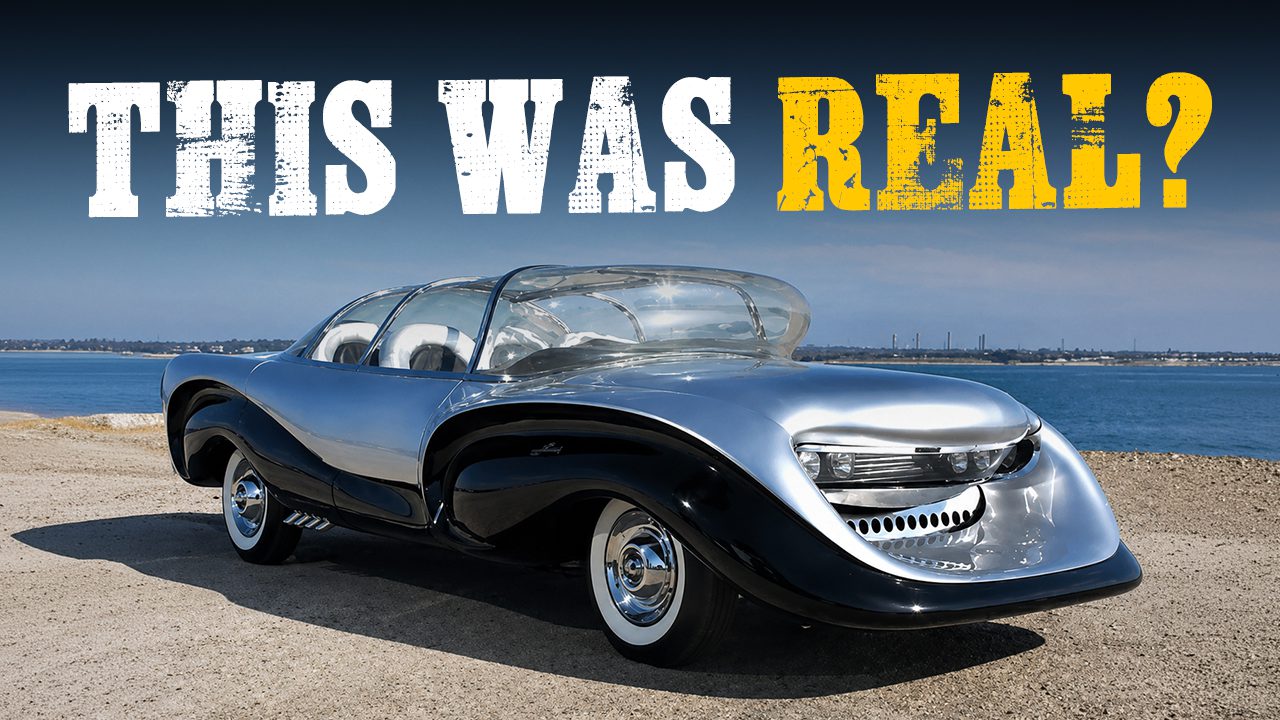
The 20th century automotive landscape was a playground for audacious ideas, where innovation often clashed with practicality. From vehicles designed to be “accident-proof” to those mimicking the shape of a snail, these automotive concepts ranged from visionary to downright bizarre. We’ve dug through the history books to unearth 28 of the most outlandish prototypes that pushed boundaries but never quite made it to your driveway.
28. Aurora Safety Car (1957)
Rev. Alfred A. Juliano’s safety-first experiment looked more like a concrete bunker than a car.
This bubble-topped, 18-foot experimental car was built by Catholic priest Father Alfred A. Juliano on a 1953 Buick chassis, designed to be “accident-proof.” It packed revolutionary safety features like seat belts, a roll cage, and foam-filled bumpers. Even the spare tire was mounted in the nose as an impact absorber, and seats could rotate rearward to anticipate crashes.
Unfortunately, Juliano’s safety-first approach resulted in aerodynamics that made a brick jealous. The comically oversized proportions and extreme engineering meant only one prototype ever made it off the line. Today, that sole survivor resides at the Lane Motor Museum, proving that even noble intentions need a dash of palatable design to avoid becoming forgotten automotive history.
27. Nissan S-Cargo (1989-1991)
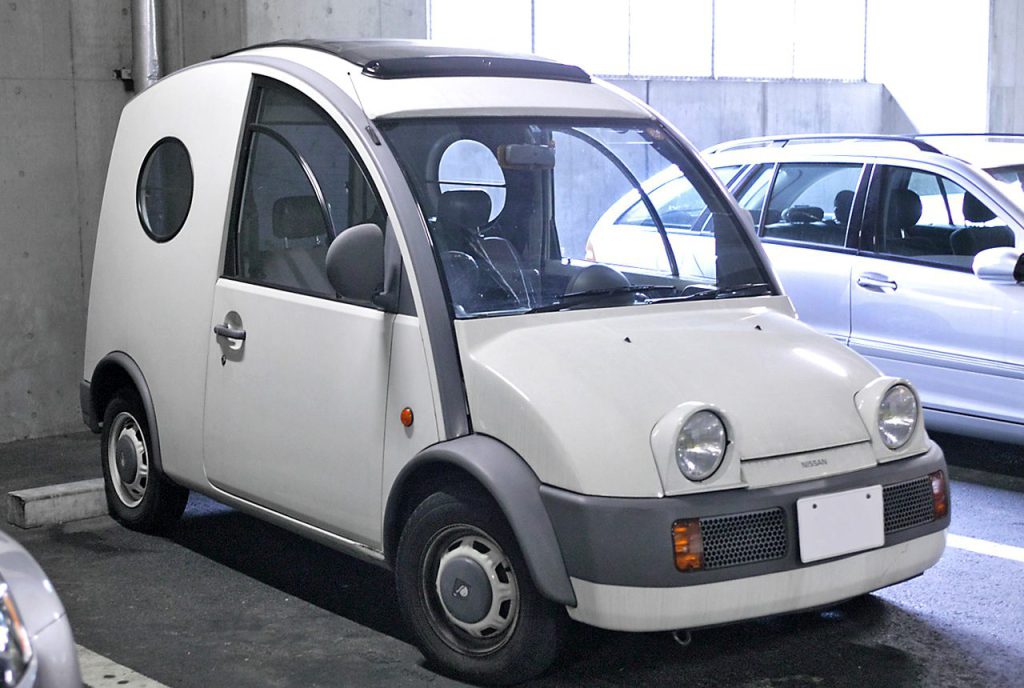
This deliberately snail-themed van prioritized personality over everything else.
Nissan’s “Pike car” series aimed for quirky charm, and the S-Cargo absolutely nailed it. This little van was a deliberate pun on “escargot” (snail) and “Small Cargo,” built on the Nissan Sunny platform with a modest 1.5-liter engine and 3-speed automatic. About 8,000 to 12,000 units rolled off production lines, all right-hand drive for Japan.
The design was so unusual it likely caused raised eyebrows even within Nissan’s own creative departments. With its round headlights and tall, bulbous shape, it felt more like a character from a Ghibli film than typical transport. The S-Cargo stands as a monument to an era that dared to be unapologetically weird.
26. Dymaxion Car (1933)
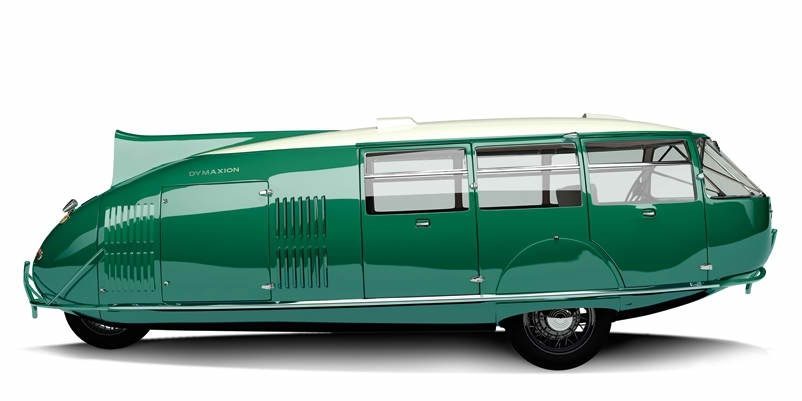
Buckminster Fuller’s three-wheeled prophecy steered like a greased watermelon.
Fuller’s 1933 creation stretched nearly 20 feet long, theoretically seating 11 passengers in its teardrop-shaped cabin. Powered by a rear-mounted Ford V8, this aerodynamic marvel steered with its single rear wheel while the engine pushed the front wheels. Fuller claimed speeds up to 120 mph, but reality delivered something closer to perpetual drift.
Only three prototypes were built before a fatal crash at the 1933 Chicago World’s Fair effectively slammed the brakes on the project. It was ambitious engineering that proved you can’t just strap a V8 to a dream and expect it to stay on the road.
25. Ferrari 512 S Modulo (1970)
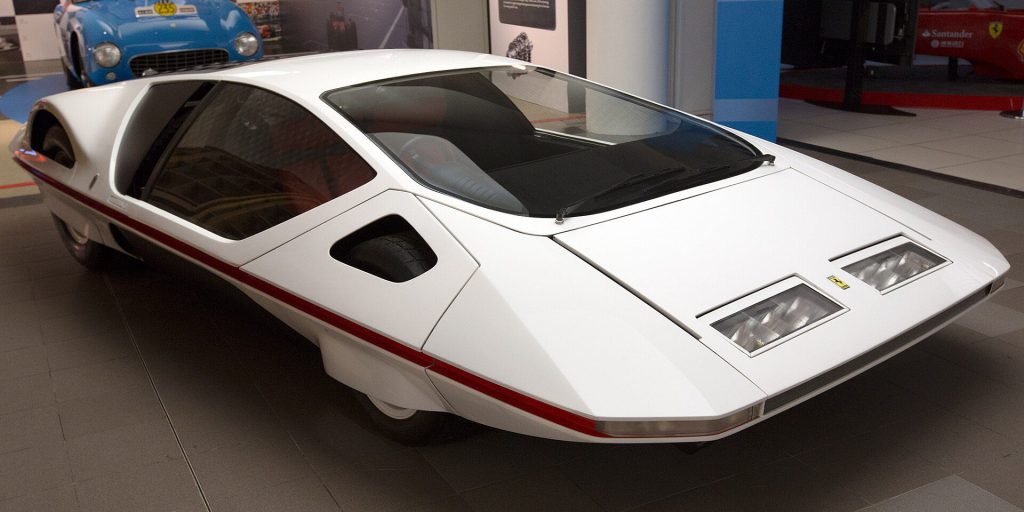
Pininfarina’s spaceship-like concept made speed bumps its sworn enemy.
Debuted at the 1970 Geneva Motor Show, this extreme wedge measured just 36.6 inches tall. Built on a Ferrari 512 S chassis with a mid-mounted 5.0-liter V12 pumping out 550 hp, entry was via a sliding canopy that revealed an interior screaming 70s futurism.
The design featured covered wheels and 24 small cooling holes in the rear deck. While never meant for actual roads, collector James Glickenhaus later resurrected this wedge of pure fantasy, restoring its V12 heart and making it drivable—proving some wild ideas can eventually hit pavement.
24. Lancia Stratos HF Zero (1970)
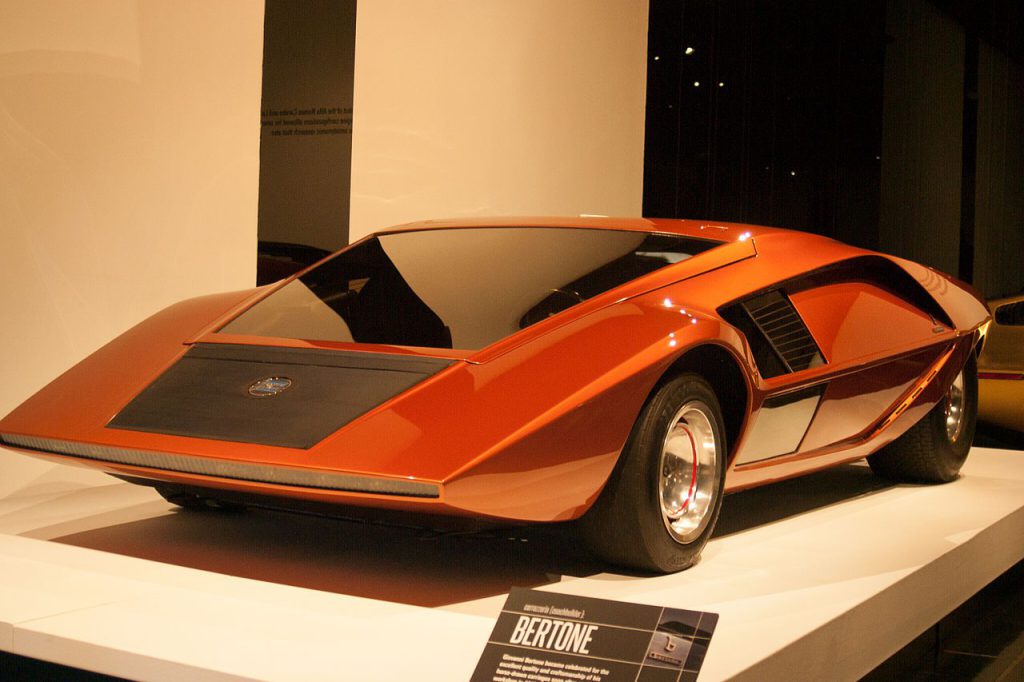
Marcello Gandini’s concept required dislocating your shoulders just to get inside.
Standing a microscopic 33 inches tall, this 1970 Bertone concept made entry feel like a stealth mission. The entire front section, including windscreen, lifted up like a spaceship hatch. Built on a shortened Lancia Fulvia chassis with a 1.6-liter V4 engine, it prioritized shock value over actual driving.
The steering wheel sat almost horizontal, like piloting a video game from the 80s. While it never reached production, this outrageous wedge heavily influenced the legendary Lancia Stratos rally car, proving extreme ideas sometimes pave the way for greatness.
23. Cadillac Cimarron (1982-1988)
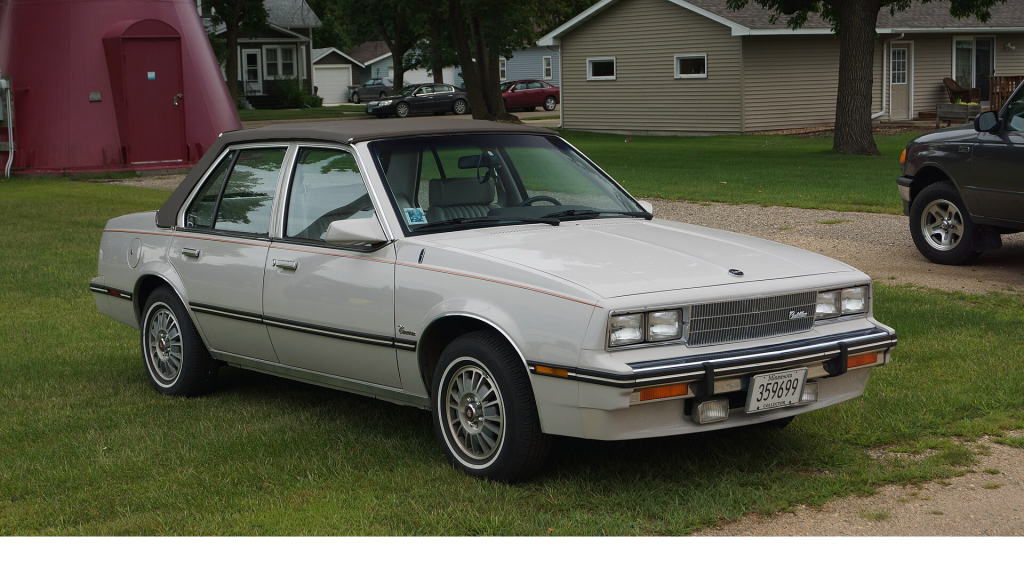
This badge-engineered disaster was essentially a Cavalier wearing designer cologne.
Introduced for the 1982 model year, the Cimarron was Cadillac’s attempt at compact luxury—essentially a dressed-up Chevrolet Cavalier. Early models offered a puny 1.8-liter four-cylinder producing 88 hp, about as inspiring as watching paint dry in slow motion.
Despite the premium price tag sporting optional leather, critics savaged it for blatant badge engineering. Roughly 132,499 units found buyers, but the Cimarron became one of Cadillac’s most cited brand blunders—a cautionary tale about diluting luxury with economy car bones.
22. AMC Gremlin (1970-1978)
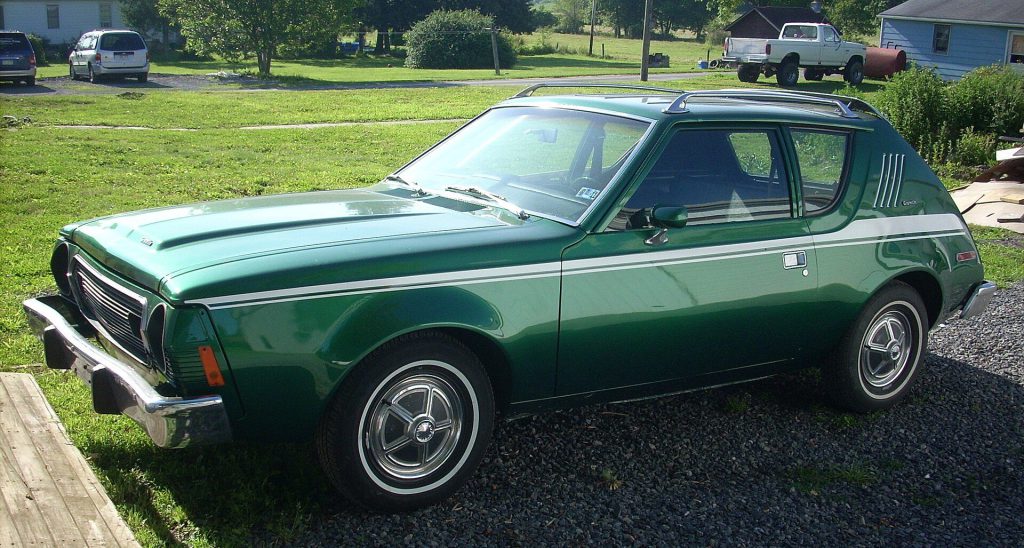
This chopped-off Hornet proved that shortcuts don’t always work.
AMC’s solution for entering the subcompact market involved taking their Hornet sedan and literally lopping off the rear. The result featured proportions so awkward, it felt like a tin can with wheels. Despite engines ranging from 3.3-liter sixes to 5.0-liter V8s, the short wheelbase made handling unpredictable.
Over 670,000 units sold, making it one of the earliest successful U.S. subcompacts. However, that optional V8 on such a short chassis created a tendency to spin out, cementing the Gremlin’s reputation for exciting, if unintentional, handling characteristics.
21. Buick Centurion (1956)
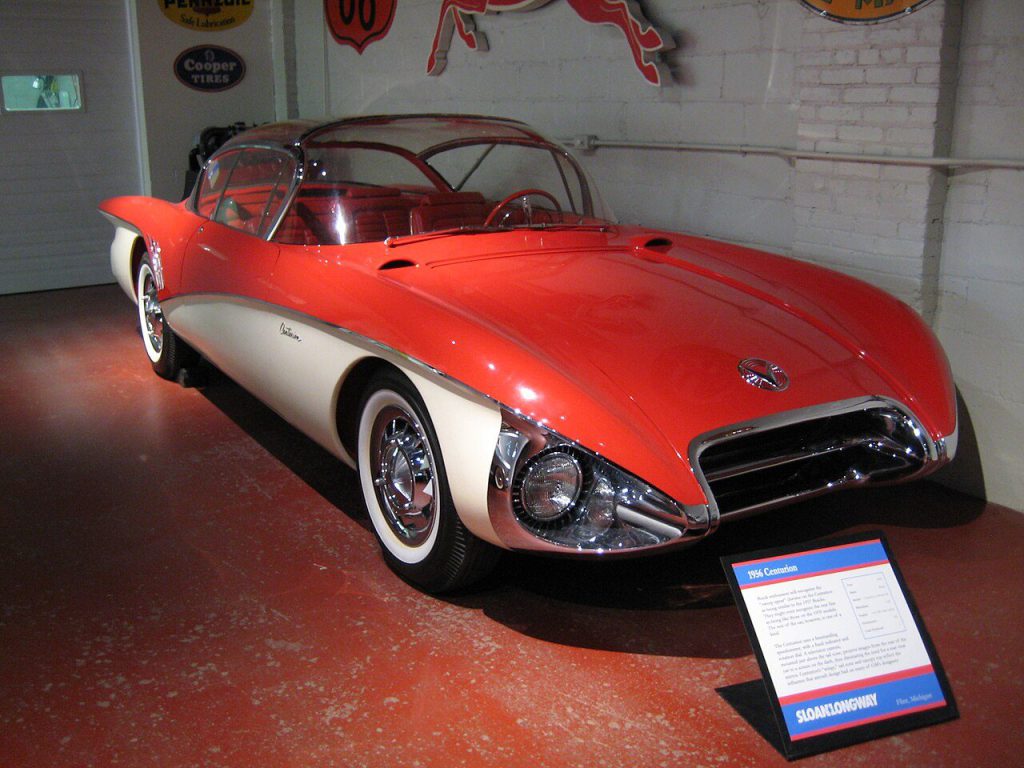
GM’s jet-age fantasy ditched mirrors for a TV camera decades before backup cameras existed.
This 1956 Motorama concept looked like it blasted off a sci-fi movie set with its bubble-top canopy and aircraft-inspired styling. Its party trick? A rear-mounted television camera feeding a dashboard screen instead of traditional mirrors—imagine parallel parking with that tech.
The interior resembled an airplane cockpit more than a car cabin, with integrated steering wheel buttons and a “command center” feel. While never reaching production, the Centurion’s experimental spirit earned its place in GM’s Heritage Collection as a wild relic of unbounded automotive optimism.
20. Ford Nucleon (1958)
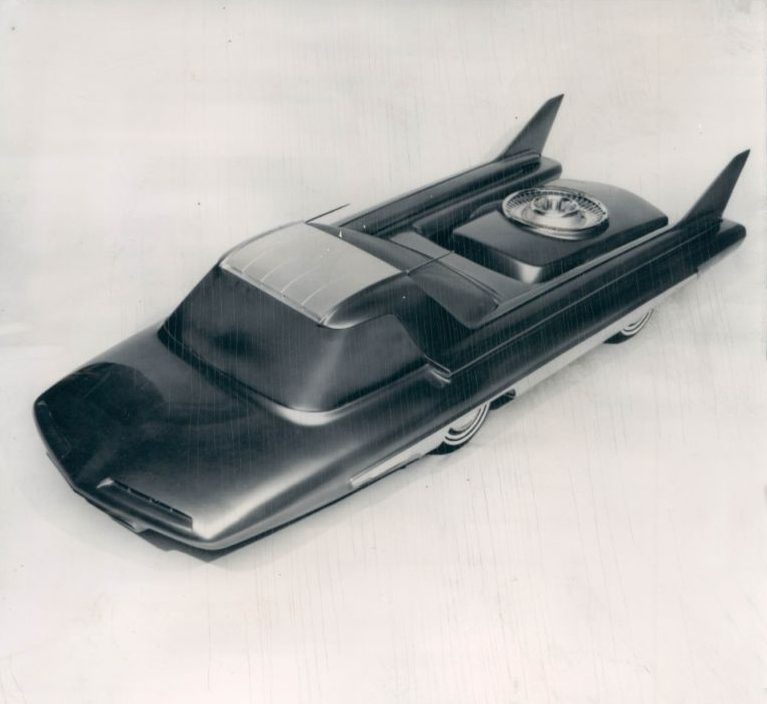
Ford’s atomic-powered concept promised 5,000-mile range but delivered radiation concerns instead.
This scale model proposed a car with a rear-mounted nuclear fission reactor, featuring interchangeable reactor “cartridges” for theoretical 5,000-mile range. The cab-forward design placed passengers far from the reactor pod for perceived safety.
However, insurmountable challenges of radiation shielding and safety regulations meant the Nucleon never progressed beyond its 1:10 scale model. It remains preserved in the Henry Ford Museum as a symbol of mid-century atomic optimism gone automotive.
19. Vector W8 (1990-1993)
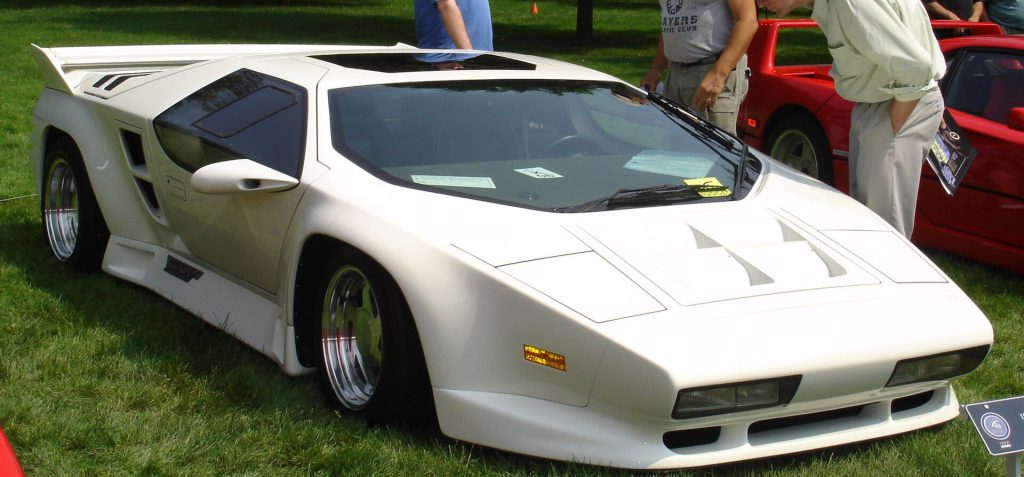
America’s jet-fighter supercar promised the moon but delivered a maintenance nightmare.
This angular carbon fiber and Kevlar beast housed a 6.0-liter twin-turbo V8 supposedly producing 625 hp, with claims reaching 240 mph. The cockpit, crammed with buttons and digital displays, looked straight from a fighter jet.
Unfortunately, the W8 became more roadside assistance magnet than track star. With only 17 production units built, reliability issues and incomplete development made it a symbol of ambitious engineering meeting harsh reality. Beautiful concept, questionable execution.
18. Vector M12 (1995-1999)
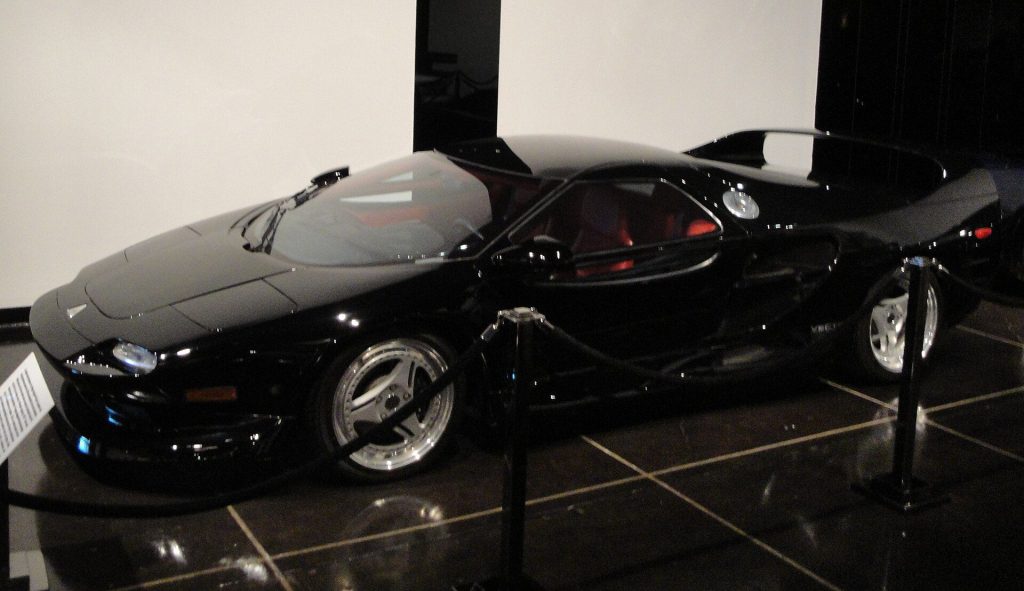
This Lamborghini-powered follow-up proved you can’t polish a fundamentally flawed idea.
Under Indonesian ownership, the M12 adopted a 5.7-liter Lamborghini V12 from the Diablo, producing 492 hp through a 5-speed manual. Despite the exotic powerplant, critics panned its proportions and build quality that made European rivals look Swiss-engineered.
Only 14 units were produced before Vector faded away. Plagued by overheating and electrical gremlins, it was like showing up to a formal event in a stained tuxedo—impressive on paper, disappointing in reality.
17. Bricklin SV-1 (1974-1975)
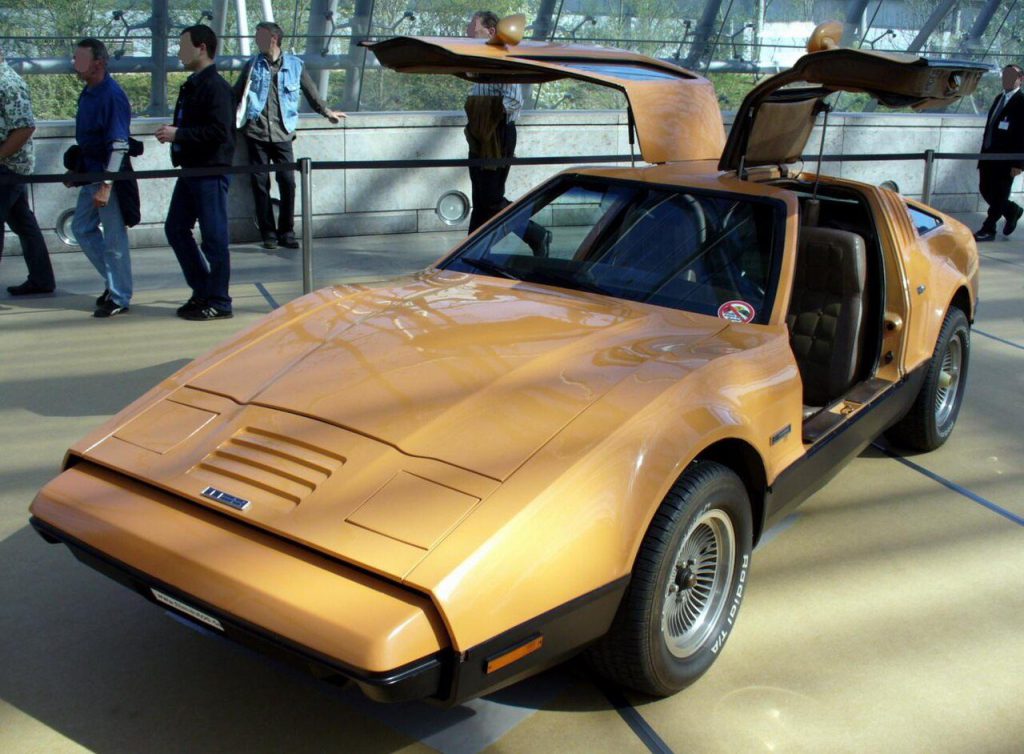
These gull-wing doors were more likely to trap you than impress anyone.
Malcolm Bricklin’s Safety Vehicle One featured acrylic-coated fiberglass body, integrated roll cage, and power-assisted gull-wing doors. Early models used an AMC 360 V8, later switching to Ford’s 351 Windsor.
Despite safety intentions, those hydraulic doors were notoriously unreliable, potentially trapping occupants. Quality issues and cost overruns killed production after approximately 2,854 cars were built. It proved that good intentions need reliable execution to succeed.
16. DeLorean DMC-12 (1981-1983)
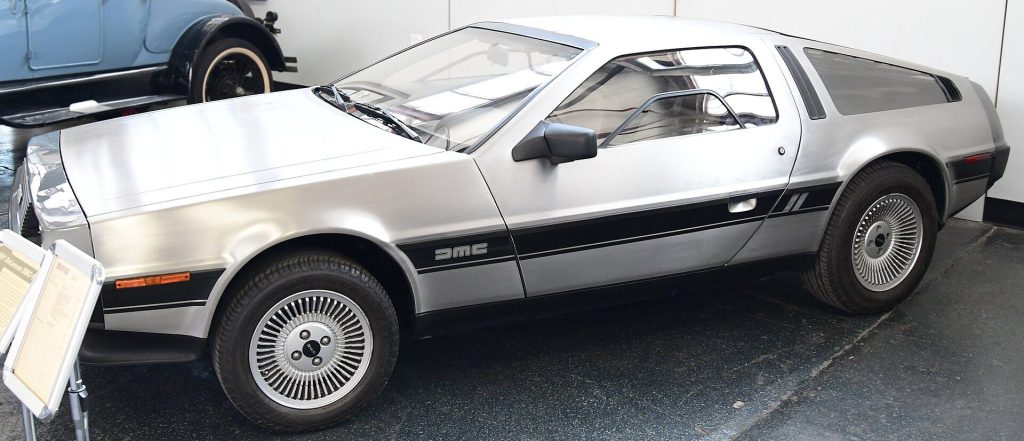
This time machine looked cooler than it performed, with stainless steel that required constant polishing.
Around 9,000 DMC-12s rolled off Northern Ireland assembly lines, each featuring brushed stainless-steel body panels and signature gull-wing doors. The 2.85-liter PRV V6 produced a modest 130 hp, making 0–60 mph sprints take over nine seconds.
While Back to the Future immortalized its cool factor, early build quality was shakier than a dial-up connection. Those stainless panels added unnecessary weight and were nightmarish to maintain, proving style sometimes trumps substance.
15. AMC Pacer (1975-1980)
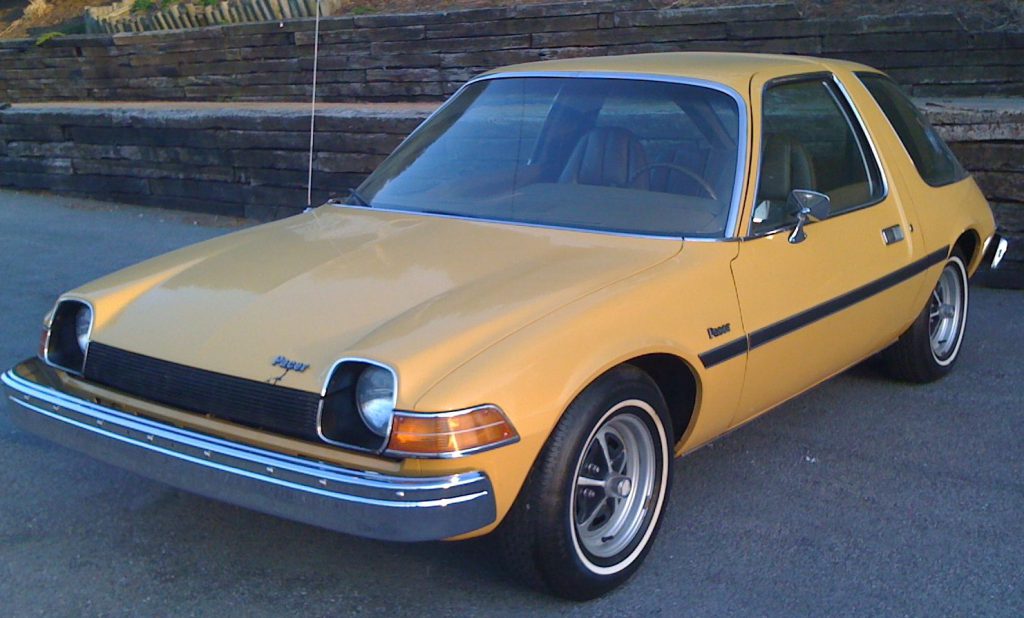
This fishbowl on wheels embraced wide-body philosophy with mixed results.
Marketed as “the first wide small car,” the Pacer featured nearly 37% glass surface area and a rounded body that made occupants feel like goldfish. The passenger door was even 4 inches longer than the driver’s for easier rear access.
Despite spacious interiors and unique styling, considerable weight from all that glass, combined with thirsty engines including an optional 304 V8, made it less economical than promised. It became an unforgettable oddity rather than a practical compact.
14. BMW Isetta (1955-1962)
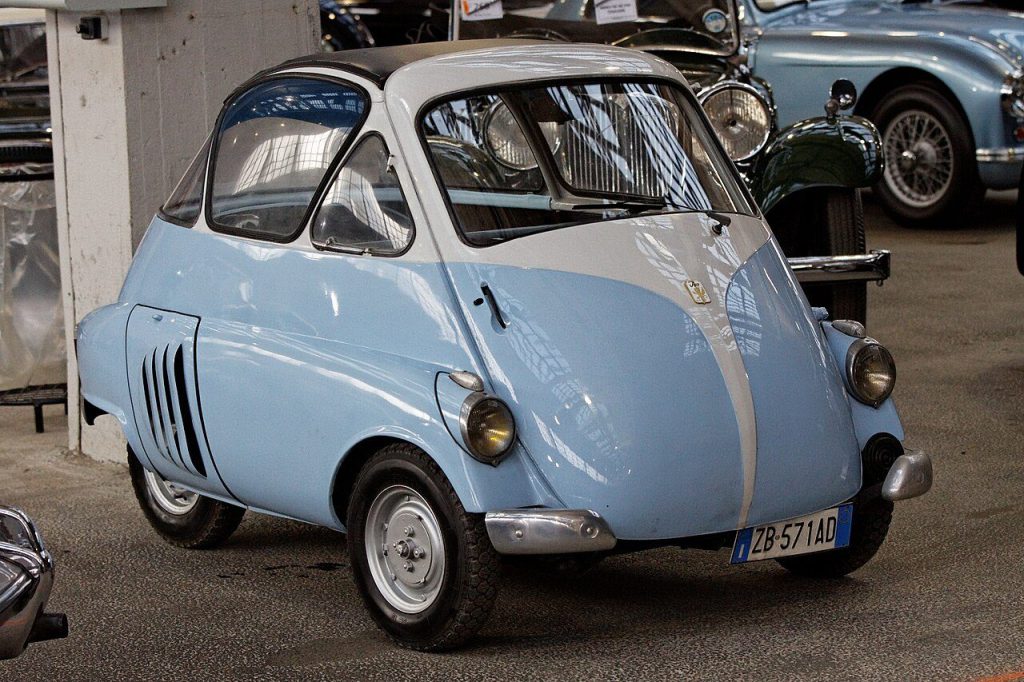
This bubble car’s front-opening door could trap you if parked too close to anything.
BMW’s version of the Italian Iso microcar featured a single front-hinged door that swung open with steering wheel attached. Early 247cc engines were later enlarged to 298cc, producing about 12–13 hp in a car measuring just 7.5 feet long.
Over 160,000 units sold, helping BMW stay financially afloat. The canvas sunroof served as an escape route if the front door became inaccessible—a brilliant, if desperate, solution to a very specific problem.
13. Triumph TR7 (1974-1981)
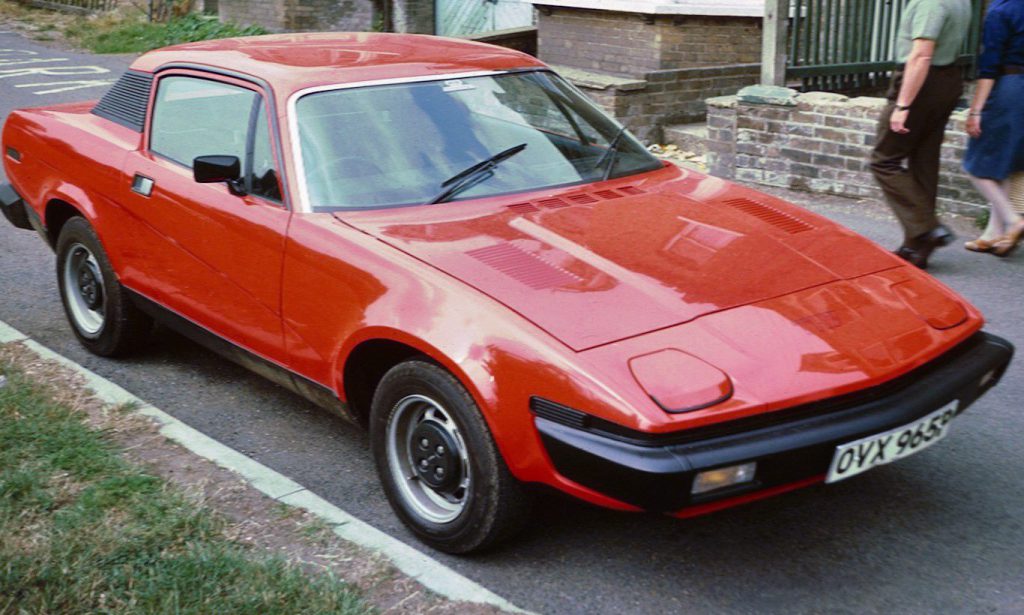
This wedge-shaped sports car proved that future-forward design needs solid engineering underneath.
The TR7 traded traditional roadster looks for divisive wedge styling powered by a 2.0-liter inline-four producing 90–105 hp. Early Speke production suffered serious quality issues, from rust to electrical faults that made ownership feel like a full-time hobby.
Despite over 110,000 units built, persistent reliability complaints severely damaged Triumph’s reputation. It’s a stark reminder that good looks can’t compensate for fundamental engineering flaws.
12. Aston Martin Lagonda (1970s-1980s)
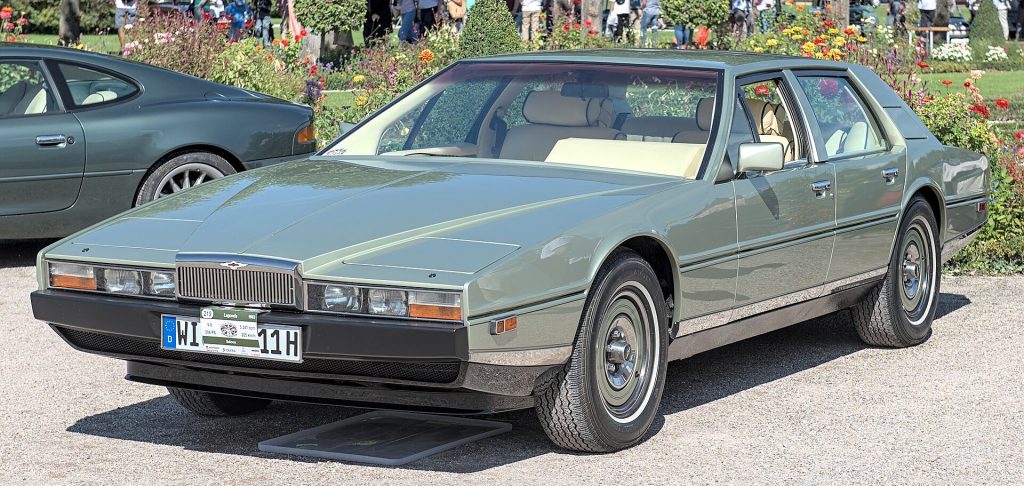
This digital dashboard pioneer was so ahead of its time, it invented its own problems.
The Series 2 Lagonda, introduced in 1976, featured William Towns’ sharp-edged styling and pioneering digital instrumentation with touch-sensitive controls. Powered by a 5.3-liter V8, fewer than 650 were built across all series.
Unfortunately, those cutting-edge electronics proved about as reliable as a screen door on a submarine. Complex systems often refused to cooperate, making repairs astronomically expensive and turning luxury into a very British headache.
11. Ford Pinto (1971-1980)
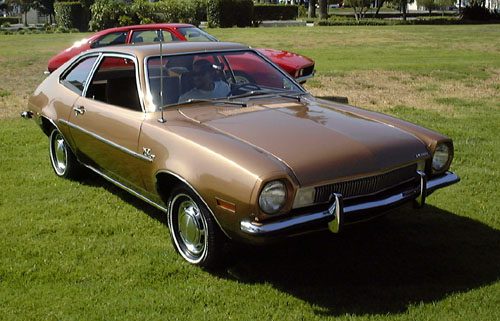
This subcompact’s fuel tank placement turned cost-cutting into a deadly scandal.
Ford’s Pinto became infamous for its rear-mounted fuel tank that created severe fire hazards in rear-end collisions. Internal analyses revealed Ford knew about the defect but chose to settle lawsuits rather than implement an $11 per-car fix.
Over 3 million Pintos sold, but the fuel tank controversy became a landmark case in automotive safety ethics. It’s a stark illustration of how cost-cutting measures can lead to dangerous consequences and massive legal repercussions.
10. GM LaSabre (1951)
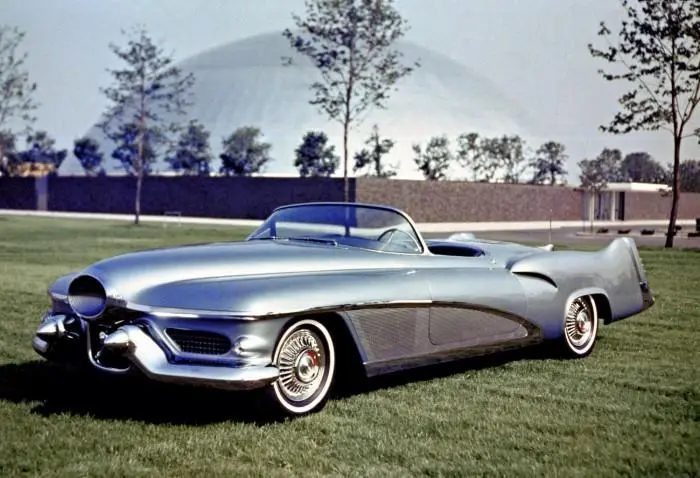
Harley Earl’s jet-age concept featured rain sensors decades before anyone thought to ask for them.
This 1951 concept car was pure jet-age fantasy with wraparound windshields, dramatic tail fins, and a supercharged V8 that could run on gasoline or methanol. The most futuristic feature? A rain sensor that automatically raised the convertible top and closed windows.
Complex electronics of 1951 proved about as reliable as a chocolate teapot, making ambitious features prone to failure. Still, Earl used it as his personal car, proving some concepts are worth the hassle.
9. Marcos Mantis (1970-1971)
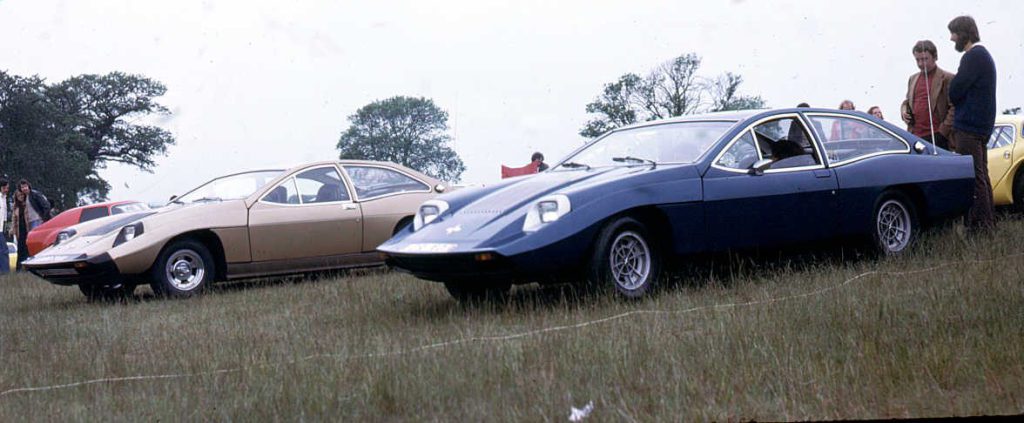
This British GT looked like a mutant fish decided to become a sports car.
The Marcos Mantis M70 featured polarizing aesthetics with a Triumph 2.5-liter inline-six producing 120–150 hp. Its bulbous curves and gravity-defying roofline made it stand out like a peacock at a penguin convention.
Only 30–50 units were produced before financial troubles hit Marcos. Even among the company’s usual quirky lineup, the Mantis achieved new levels of automotive eccentricity that questioned conventional design norms.
7. Ford GT90 (1995)
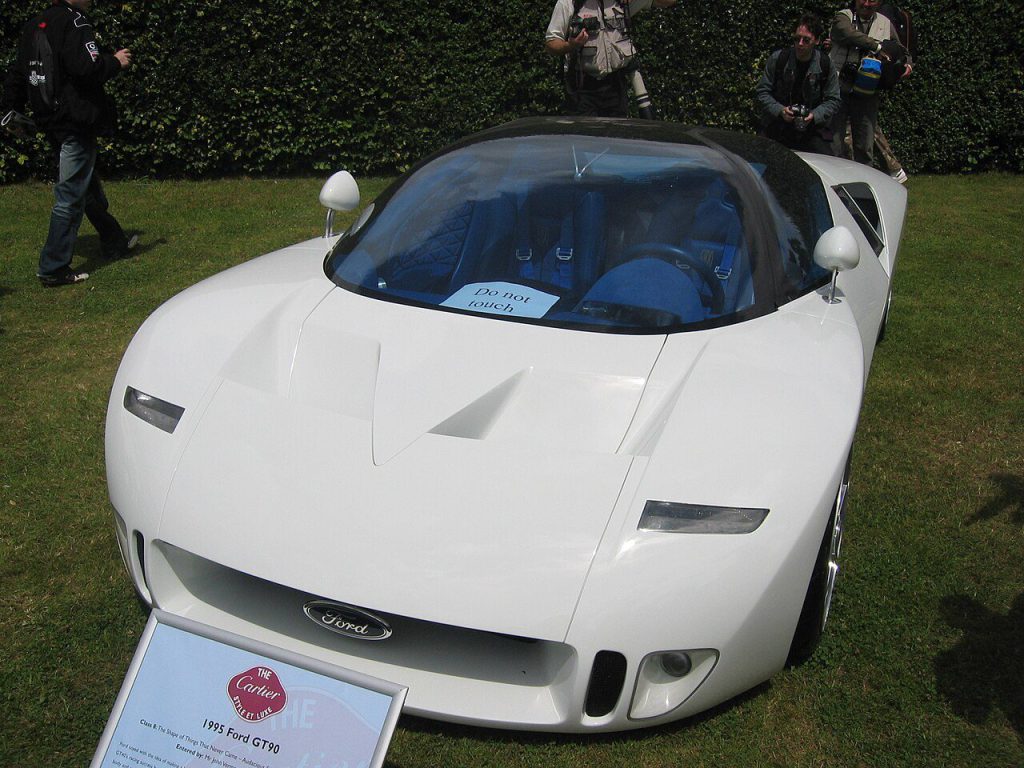
This quad-turbo concept generated so much heat, Ford needed Space Shuttle tiles to protect the bodywork.
The GT90 boasted a theoretical 720-horsepower quad-turbocharged V12 created by joining two Duratec V6 blocks. Its angular “New Edge” styling promised 250 mph top speeds using a Jaguar XJ220 chassis.
Unfortunately, that monster engine generated heat that threatened to melt nearby bodywork, requiring ceramic tiles similar to Space Shuttle heat shielding. It remained one of Ford’s most talked-about halo concepts—proof that sometimes wildest ideas exceed engineering limits.
6. Renault Avantime (2001-2003)
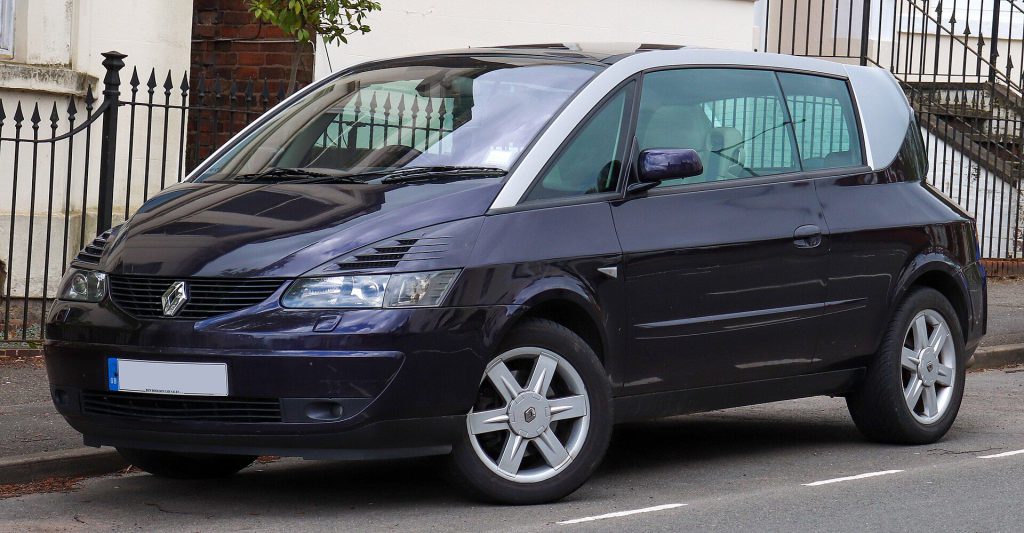
This coupé-space MPV featured doors so heavy, getting in became a full-contact sport.
Renault’s bold attempt at blending minivan space with coupé styling featured two massive 110-pound doors and a fixed glass roof. Engine options included 2.0-liter turbo, 3.0-liter V6, and 2.2-liter diesel powertrains.
Those pillarless doors required yacht-sized parking spaces, making urban life challenging. Limited rear access and a small boot when seats were up prioritized drama over daily utility. Only 8,553 units sold before production ceased.
5. Nash Rambler (1950-1955)
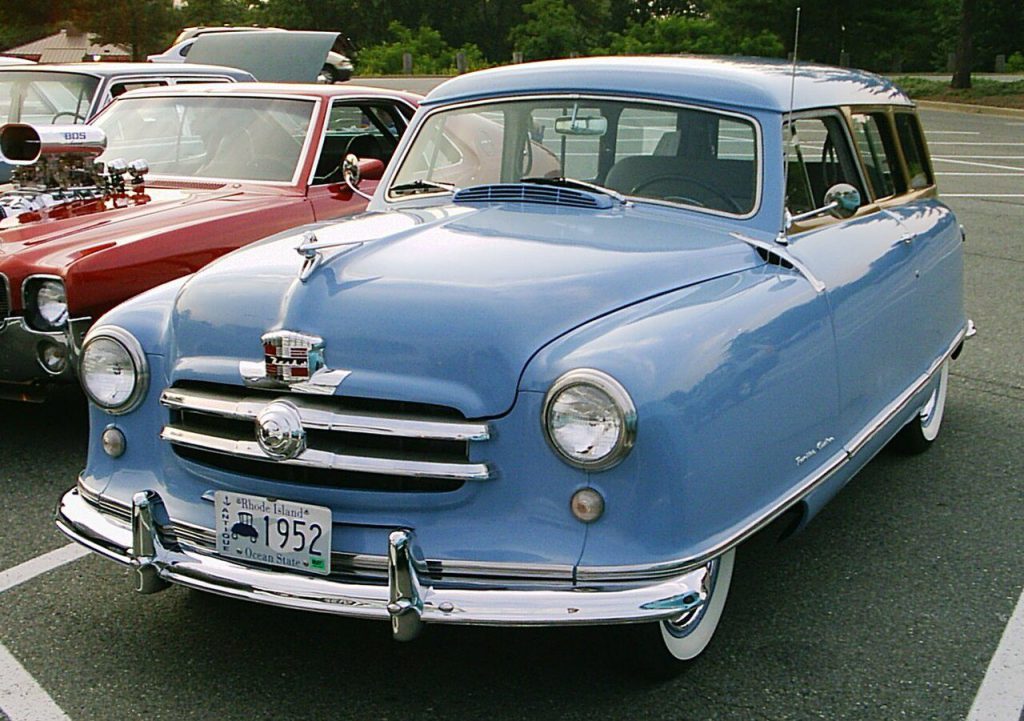
America’s first successful compact car proved smaller could indeed be better.
Launched for 1950, the Rambler featured unitized construction on a 100-inch wheelbase with rounded “bathtub” styling. A 172.6 cubic inch inline-six produced 82 hp, offering manual or optional automatic transmission.
Available as convertible, station wagon, or hardtop, it proved compact cars didn’t need to skimp on comfort or features. This success story helped establish the Rambler brand and positioned Nash as a compact car pioneer.
4. Studebaker Starlight Coupe (1947-1952)
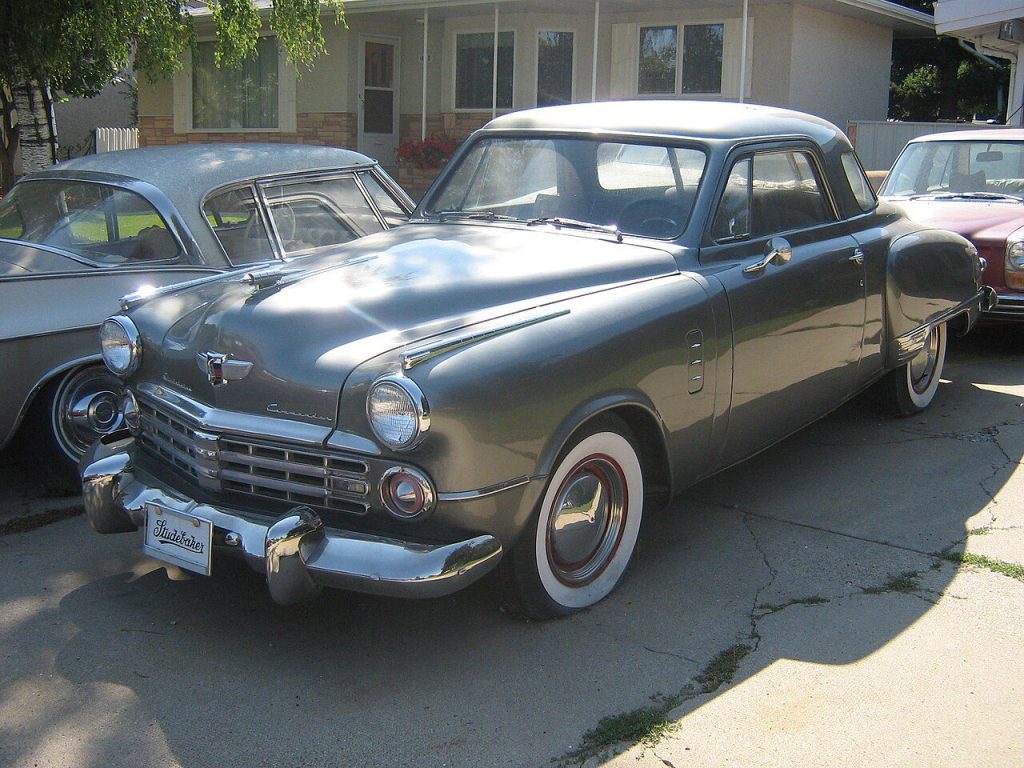
This airplane-inspired design made people wonder which direction it was actually facing.
Introduced for 1947, the Starlight featured a distinctive wraparound rear window composed of four curved glass panels offering nearly 360-degree visibility. Its long trunk and short hood proportions led to “driving backward” jokes.
This bold Raymond Loewy and Virgil Exner design helped Studebaker stand out in the post-war automotive landscape, influencing later hardtop and pillarless designs with its aircraft-inspired aesthetic.
3. Nash-Healey (1951-1954)
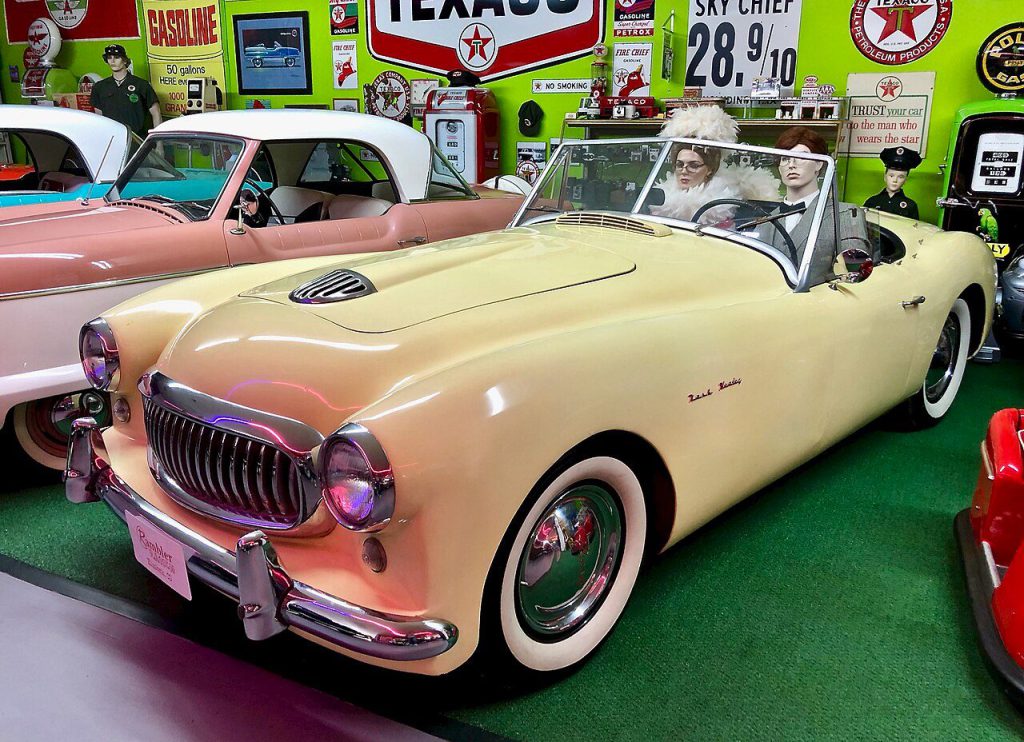
This Anglo-American sports car proved quirky looks didn’t prevent racing success.
This collaboration between Nash-Kelvinator and Donald Healey combined American power with European chassis engineering. The Nash Ambassador inline-six was tuned to 125–140 hp, with 1952 Pininfarina styling giving it distinctive “car-swallowing-another-car” proportions.
Despite peculiar looks, it achieved a class win and 3rd overall at the 1952 24 Hours of Le Mans. With fewer than 520 built, high prices kept production low but racing credibility high.
2. Buick Special (1954)
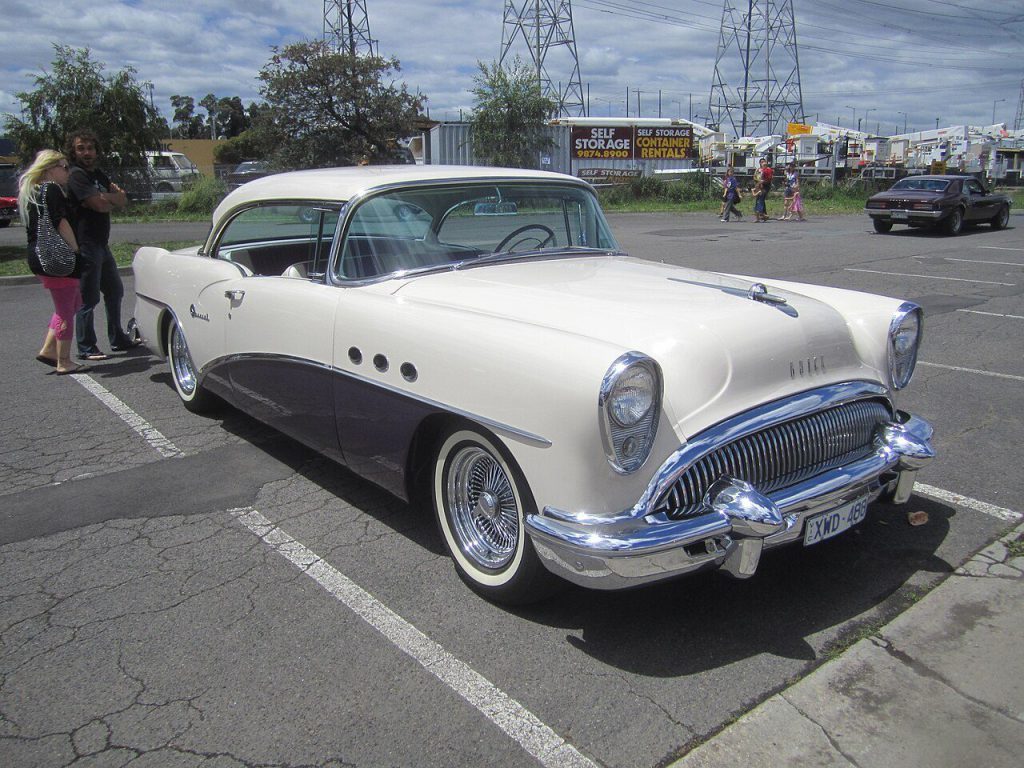
This Fireball V8-powered sedan earned comparisons to a perpetually gloomy android.
The 1954 Special featured Buick’s new 264 cubic inch “Nailhead” V8 producing 143–150 hp. While offering various body styles and Buick’s signature ventiports, the drooping headlight bezels and downturned grille drew unflattering comparisons.
Critics likened its front end to a scowling, depressed character, prompting Buick to significantly revise styling for the more attractive 1955 model. It remains a distinctive piece of mid-50s automotive transition.
1. Edsel (1958-1960)
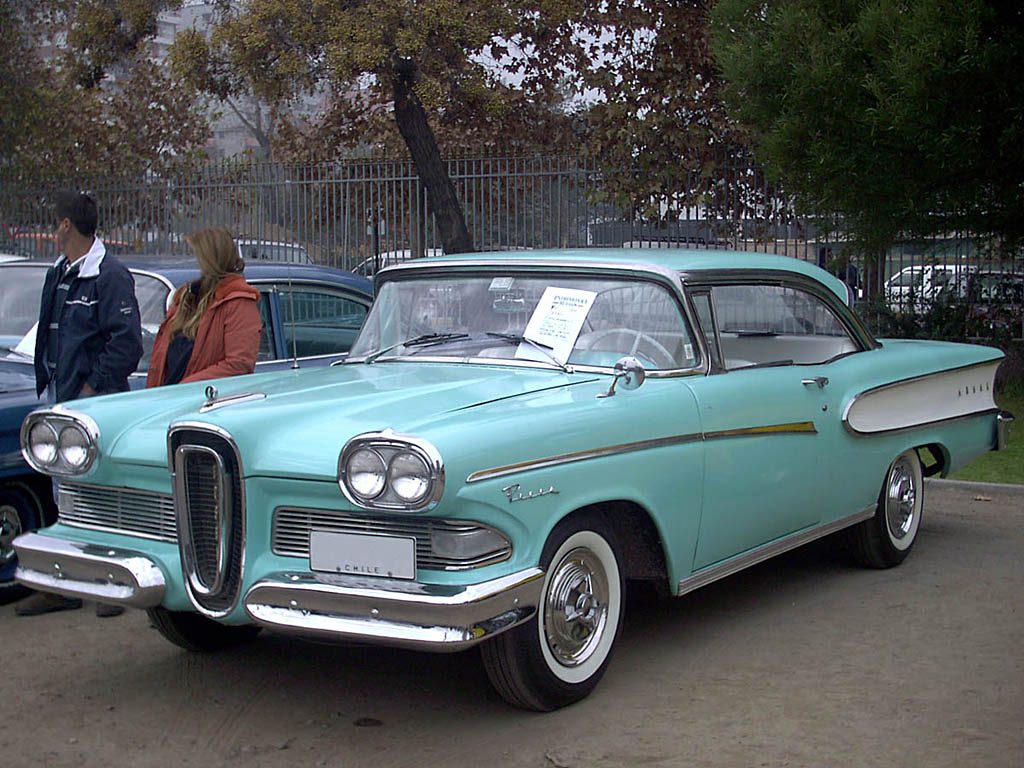
Ford’s “horse-collar” grille became automotive history’s most expensive branding mistake.
Launched in 1958 to bridge Ford and Mercury, the Edsel lineup featured controversial vertical grilles and widely spaced headlights. Models like the Citation and Ranger used Ford platforms with 361 and 410 cubic inch V8 engines.
Poor market timing, overblown hype, and divisive styling led to dismal sales—just 118,000 cars over three years. The Edsel became synonymous with commercial failure, proving that getting product, timing, and consumer appeal simultaneously right is harder than it looks.