While U.S. “kamikaze” drones struck Iranian targets using Starlink connectivity, SpaceX executives decided the Pentagon wasn’t paying enough for the privilege. Within weeks of bombing campaign escalation, they demanded a jump from $5,000 to $25,000 per terminal connection. The Pentagon initially balked, then caved completely—because what choice did they have?
Battlefield Dependency Creates Leverage
LUCAS drones relied on Starlink for Iranian strikes, giving SpaceX unprecedented negotiating power.
The LUCAS “kamikaze” drones weren’t just using Starlink—they were completely dependent on it for guidance to Iranian targets. SpaceX executives argued the military was effectively consuming “aviation-tier” service worth $25,000 monthly while paying land-mobility rates of $5,000. Pentagon officials countered that aviation pricing was meant for piloted aircraft, not drones that briefly tap satellite networks. But as strikes intensified and operational success mounted, SpaceX’s leverage became undeniable.
Monopoly Power in Real Time
Defense analysts warn about dangerous dependency on single commercial provider during active combat.
Clayton Swope of the Center for Strategic and International Studies captured the dynamic perfectly: SpaceX “certainly has the U.S. government over the barrel.” The price hike almost doubled each LUCAS drone’s operational cost, according to Pentagon documents. Yet Musk’s company could afford to play hardball because government contracts represent only one-fifth of SpaceX revenue. This demonstrates what happens when critical military infrastructure depends on a billionaire’s business decisions.
Conflict of Interest Amplifies Concerns
Musk simultaneously leads Pentagon cost-cutting review while extracting higher payments from same department.
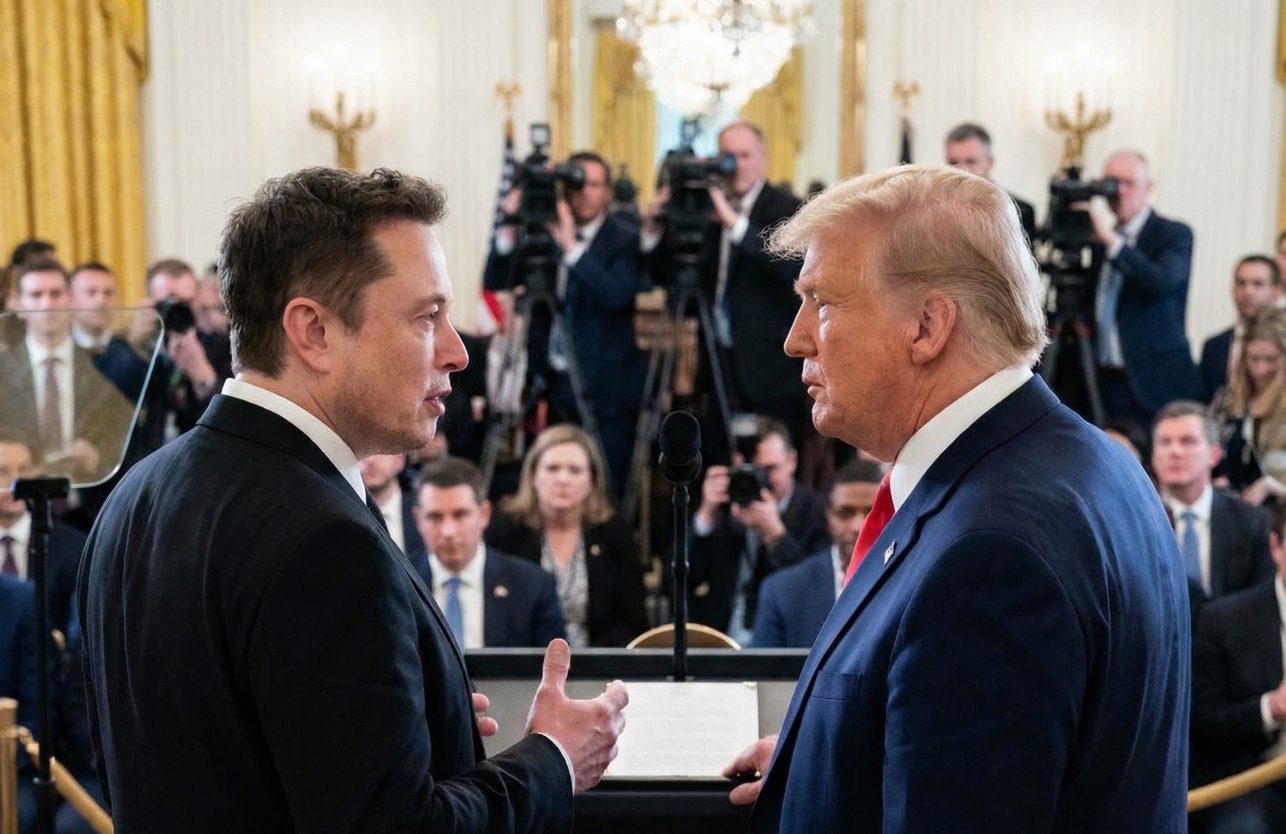
The irony cuts deeper than a malfunctioning Tesla door handle. Trump appointed Musk to lead the “Department of Government Efficiency,” tasked with eliminating Pentagon waste and fraud. Meanwhile, SpaceX has secured roughly $6 billion in Defense Department contracts, with more expected as Trump pursues a trillion-dollar military budget. Musk even joined diplomatic calls with foreign leaders despite holding no formal government position—influence that makes his pricing squeeze look less like business and more like extortion.
This precedent should terrify anyone concerned about democratic oversight of military power. When a single tech mogul controls battlefield-critical infrastructure, “free market pricing” becomes indistinguishable from wartime profiteering.