WIRED obtained over 1,000 pages of unpublished government surveillance documents revealing an emerging surveillance pattern: your criticism of AI could land you in a fusion center report. Federal agencies and local intelligence hubs are now tracking “anti-tech violent extremism” as an emerging domestic threat, sweeping peaceful protesters and data center critics into the same security framework used to monitor genuine terrorists.
The surveillance web extends far beyond actual violence. The NYPD’s Intelligence & Counterterrorism Bureau warns that AI technologies could trigger “large-scale protests that devolve into civil unrest” within five years. Private contractors like SITE Intelligence Group monitor “neo-Luddite” Discord servers for fusion centers, while More Perfect Union—a nonprofit journalism group—now appears in law enforcement intelligence reports simply for covering a Georgia data center’s local impact.
These patterns mirror how Black Lives Matter activists found themselves surveilled under terrorism frameworks for organizing peaceful demonstrations.
Real threats do exist, creating legitimate security concerns. The alleged assassination of UnitedHealth CEO Brian Thompson by Luigi Mangione has heightened fears around tech executives, while fringe groups have plotted actual infrastructure attacks. Yet Spencer Reynolds of the NAACP Legal Defense Fund argues these reports follow “a long tradition of agencies identifying protest or even simply having strong opinions as precursors to violence.”
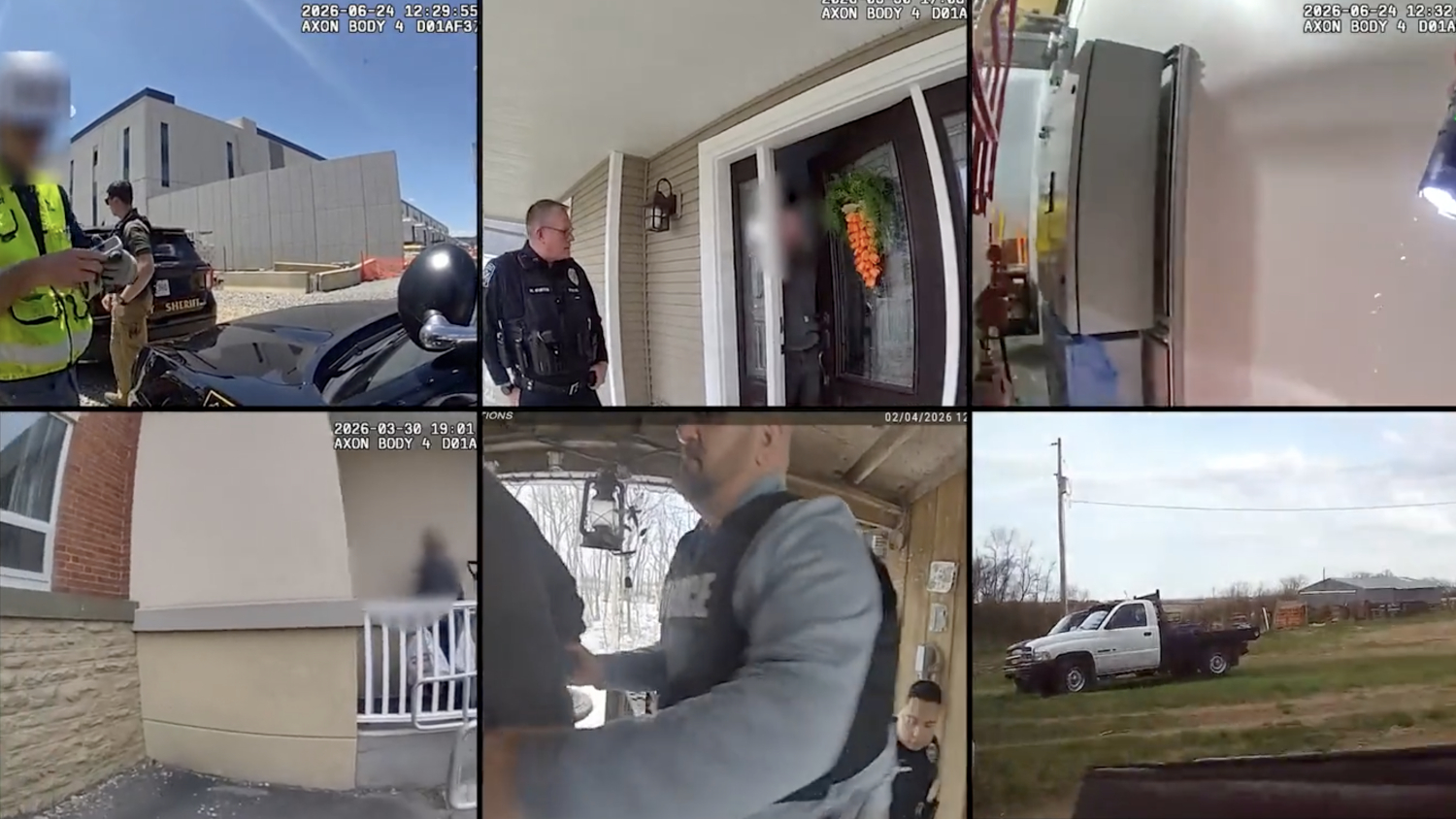
Suspicious Activity Reports remain “incredibly unreliable,” often flagging ordinary conduct like photography or attending public meetings as potential extremist behavior.
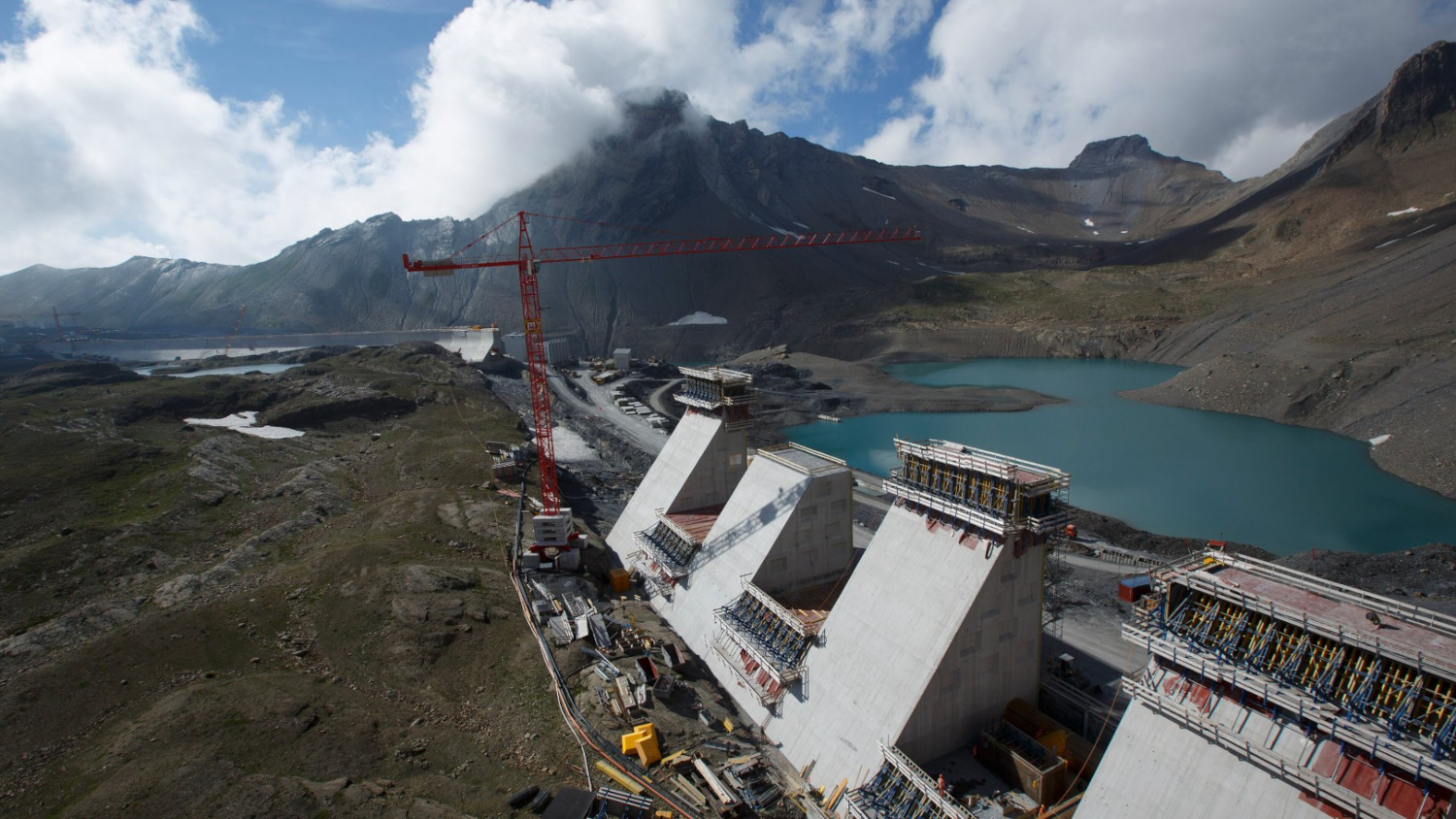
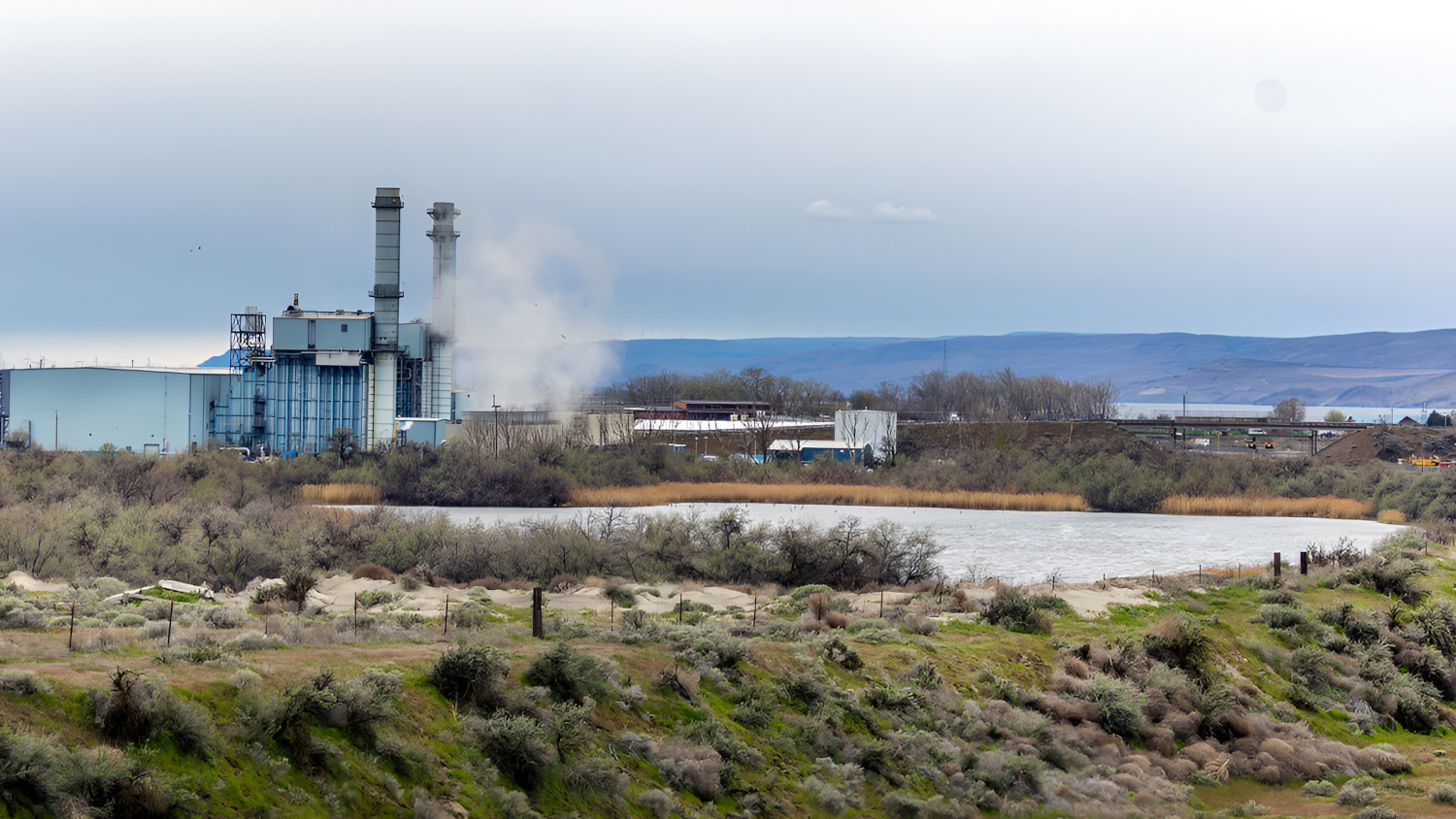
The scope of monitoring reveals troubling overreach. Data Center Watch documents hundreds of grassroots groups across 42 states organizing against data center construction over environmental and quality-of-life concerns—exactly the kind of democratic participation that fusion centers now track. Meanwhile, AI safety researchers and mainstream critics expressing legitimate concerns about job displacement and existential risks risk being swept into intelligence narratives about “paranoid” AI views.
This represents more than mission creep—it’s the securitization of technological criticism itself. When attending town halls about data center noise becomes a potential indicator of extremist activity, we’ve moved beyond preventing violence into policing legitimate democratic debate about AI’s future. The line between constitutionally protected dissent and policeable extremism grows thinner with each fusion center bulletin.