Racing to upgrade your gaming rig before RAM prices climb higher? The AI-driven memory supercycle that’s been punishing PC builders might finally face its first serious challenge. Chinese DRAM and NAND manufacturers are ramping production so aggressively that analysts now warn of potential oversupply—even as the tech industry screams for more memory chips.
The AI Boom Breaks Budgets
DRAM prices have absolutely demolished wallet-friendly builds over the past year. Fixed transaction prices surged 20-50% month-on-month from April 2025, according to industry tracking, while NAND flash climbed 4-11% in the same period. Your 32GB DDR5 kit that cost $200 two years ago? Good luck finding anything decent under $350 today.
The culprit isn’t mysterious: AI infrastructure is devouring high-bandwidth memory faster than Samsung, SK Hynix, and Micron can produce it. When data centers prioritize premium HBM chips for AI accelerators, mainstream DRAM and SSD components get squeezed out—creating the shortage that’s making your next PC build cost more than your car payment.
China’s Memory Giants Scale Fast
While Korean chipmakers chase AI gold, Chinese manufacturers are quietly flooding commodity segments. Yangtze Memory Technologies now consumes roughly 500,000 domestically-produced wafers monthly for 3D NAND production—a staggering volume that signals serious capacity.
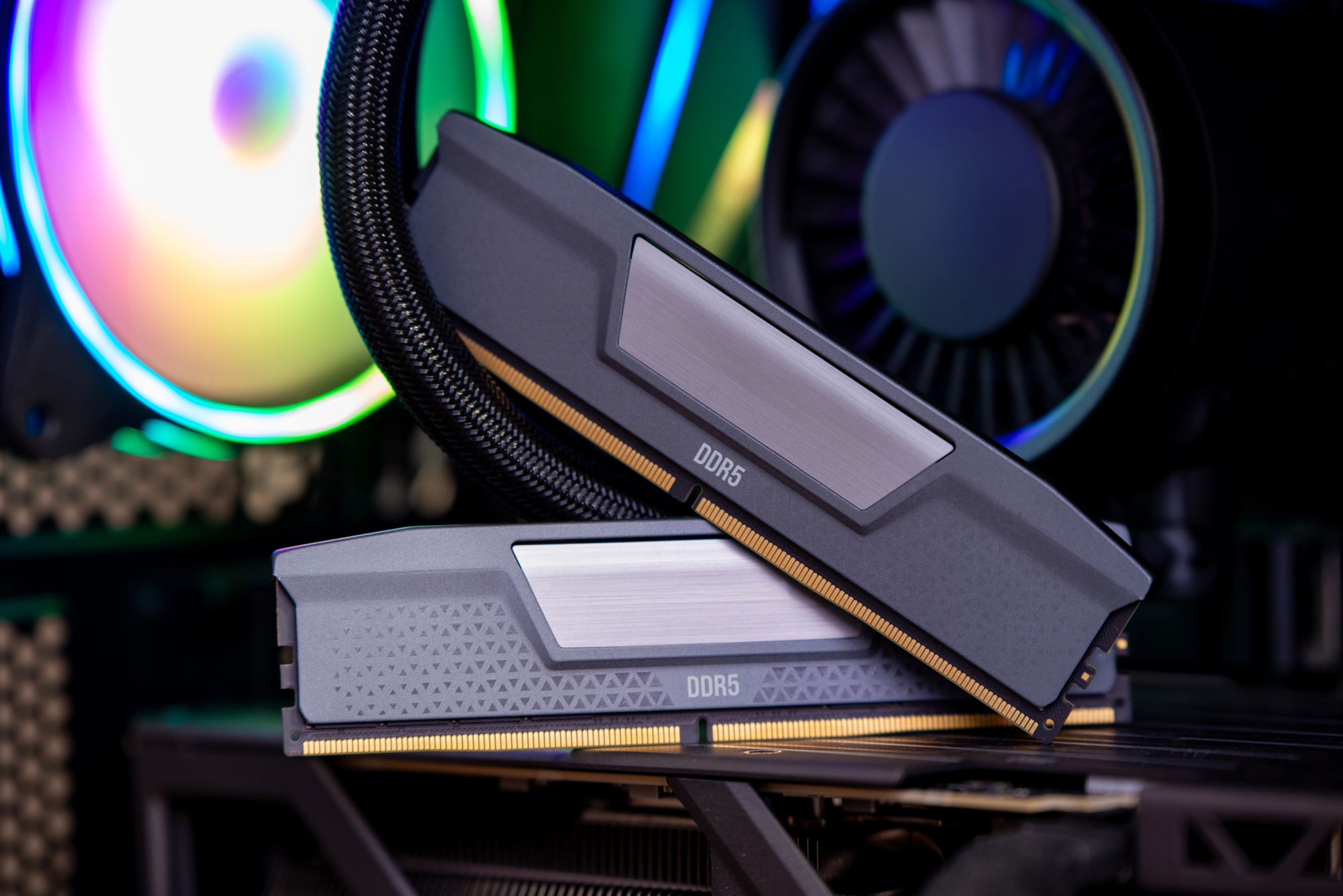
More telling: leaked module readouts suggest Corsair is using ChangXin Memory Technologies DRAM chips in Vengeance DDR5-6000 kits, marking Chinese dies’ entry into mainstream enthusiast products. Major Chinese tech companies like Alibaba, Tencent, and ByteDance have already shifted toward domestic memory suppliers as Korean chips became “so scarce you can’t even buy them,” according to industry reports.
This isn’t just patriotic purchasing—it’s a practical necessity driving real volume through Chinese fabs.
Export Controls Create Opening
US restrictions on semiconductor equipment exports have constrained exactly the capacity needed for affordable consumer memory. Samsung and SK Hynix can no longer expand their Chinese fabs with American tooling, which limits older-node production that feeds the mainstream DRAM and SSD markets.
Chinese manufacturers, using domestic wafer production, face no such limitations. This creates a bifurcated market: persistently tight AI-focused memory versus increasingly competitive consumer segments.
If Chinese suppliers can deliver reliable DDR5 and SSDs at lower prices, the current supercycle could fracture along product lines rather than ending uniformly.
You’re facing a classic semiconductor timing dilemma. Analysts expect structural undersupply through 2026, but Chinese capacity could ease commodity pricing before then. The smart play? Wait, if you can live with current performance, but don’t bet against another supply shock extending the pain.