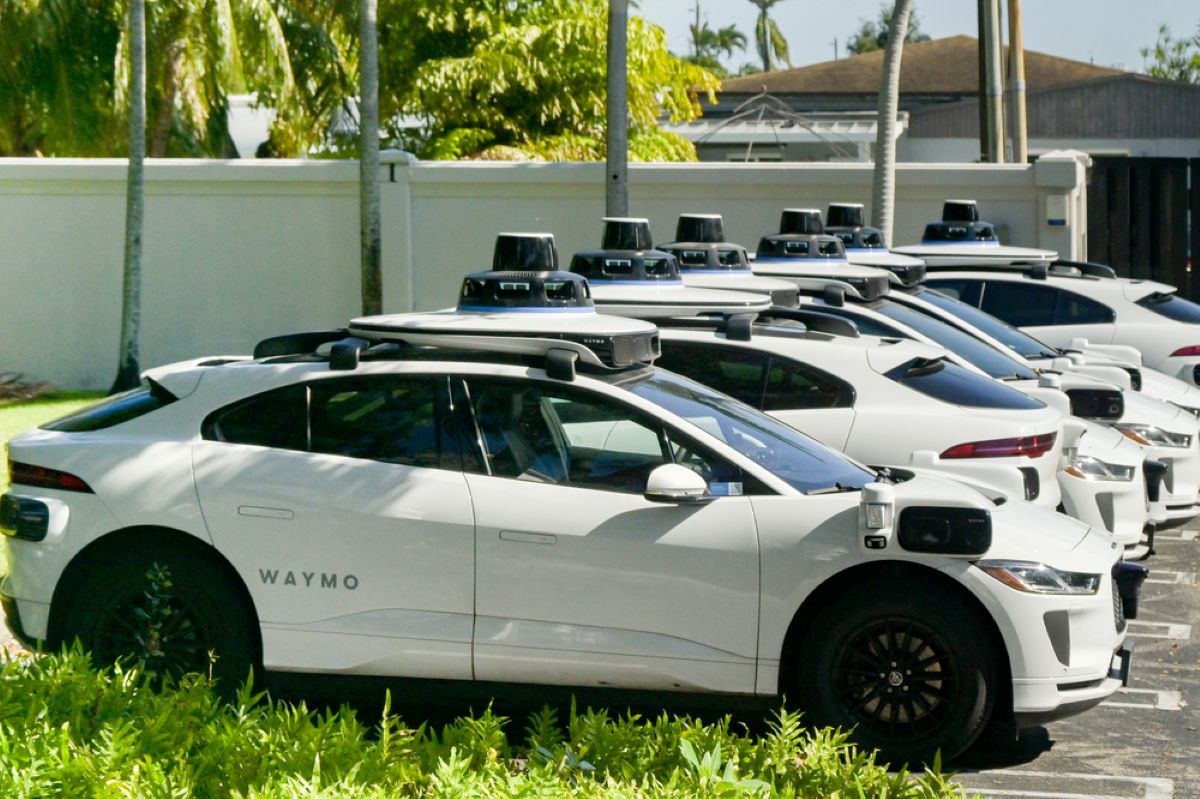
You’re stuck in Atlanta traffic during a downpour when something catches your eye: a driverless Waymo robotaxi sitting motionless in floodwater for what feels like forever. That scene played out recently, forcing the company to pause service while scrambling for solutions they openly admit don’t exist yet.
Same Problem, Different City
Waymo’s flood incidents span multiple markets despite previous software fixes.
The Atlanta incident isn’t some isolated glitch. The company recalled thousands of vehicles after a similar San Antonio episode where a robotaxi drove straight into standing water. Their solution? A software update that restricts operations during elevated flood risk—essentially teaching their cars to avoid the problem rather than handle it. That’s like your streaming service pausing every time the internet hiccups instead of properly buffering.
The Weather Warning Gap
Autonomous vehicles struggle when conditions change faster than alert systems.
Here’s where things get particularly troublesome. The Atlanta flooding happened before the National Weather Service issued any warnings, according to the company. Waymo relies on those alerts as part of their weather preparation system, but Mother Nature doesn’t follow bureaucratic timelines. When your robotaxi can’t distinguish between a puddle and a flood zone until it’s already stuck, you’re essentially admitting the technology isn’t ready for everyday use.
Broader Safety Questions Mount
Weather incidents add to ongoing regulatory scrutiny over Waymo operations.
This flood fiasco joins a growing list of Waymo safety concerns under federal investigation. NHTSA and the NTSB are probing reports of robotaxis illegally passing stopped school buses—behavior that got “fixed” but continues happening. Add the January Santa Monica incident where a Waymo vehicle struck a child at low speed, and you see the pattern: autonomous systems struggle with unpredictable scenarios that human drivers navigate instinctively.
The uncomfortable reality? After years of promises about safer-than-human driving, we’re watching robotaxis get stumped by weather patterns and basic traffic laws. Waymo’s current approach—pause service when conditions get complicated—feels less like revolutionary transportation and more like an expensive science experiment conducted on public roads. Your regular rideshare driver might grumble about the rain, but they don’t shut down entirely when storm clouds gather.