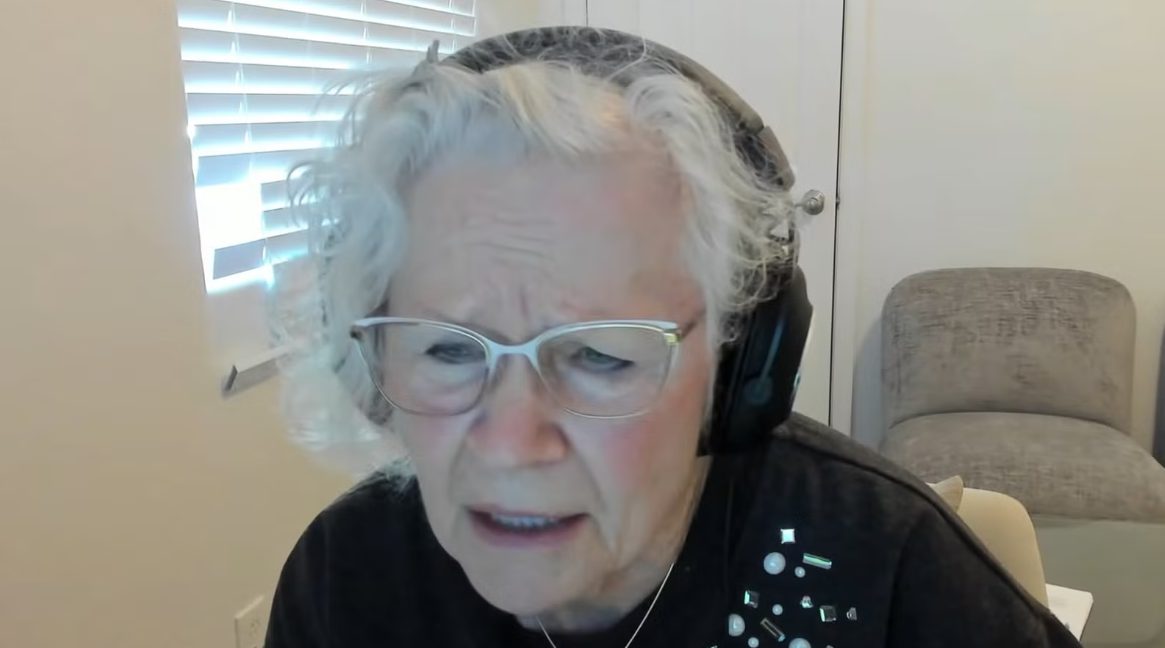
While most 81-year-olds might struggle with a smartphone, Sue “GrammaCrackers” Jacquot was deep into a 24-hour Minecraft marathon when armed police stormed her home. The wholesome twist? Every dollar from her gaming streams goes toward her grandson Jack’s cancer treatment through “The Grandma Fund.” Someone’s idea of entertainment was calling in a fake emergency that sent 20 police cars, five SWAT vehicles, and surveillance drones to her address on May 18. She slept through most of it.
“Kind of Fun” Response to Serious Crime
Sue’s response defied every expectation about how swatting victims react. “It was kind of fun,” she told her 600,000+ YouTube subscribers afterward, describing officers walking her outside in bare feet while she wondered why it didn’t hurt. When the chaos ended, she took an ibuprofen and went back to bed. Her parting words to police, according to her grandson’s account, became internet legend: “If you all got what you need I’m tired, I am exploring the nether in the morning.”
The Deadly Reality Behind the “Prank”
Don’t let Sue’s good humor fool you. Swatting involves false emergency calls designed to trigger armed police responses, and it’s prosecuted as a federal felony. Tyler Barriss received 20 years in prison after his 2017 swatting call led police to kill an innocent Kansas man. High-profile streamers like xQc and Adin Ross face repeated swattings, but targeting an elderly woman raising cancer funds represents a new low. Sue called the responding officers “wonderful,” yet any sudden movement during that armed entry could have turned tragic.
Viral Fame Meets Medical Bills
The 40-second livestream clip of officers entering her room spread across Reddit and Twitter faster than her Minecraft tutorials ever did. Sue started streaming after Jack’s cancer diagnosis, dedicating all revenue to his care—a depressingly common story in American healthcare.
Her subscriber count exploded following the incident, though she’d probably prefer the attention came from her gameplay skills rather than becoming a harassment target. The perpetrator remains unidentified, leaving questions about platform safety for vulnerable creators who just want to help their families.