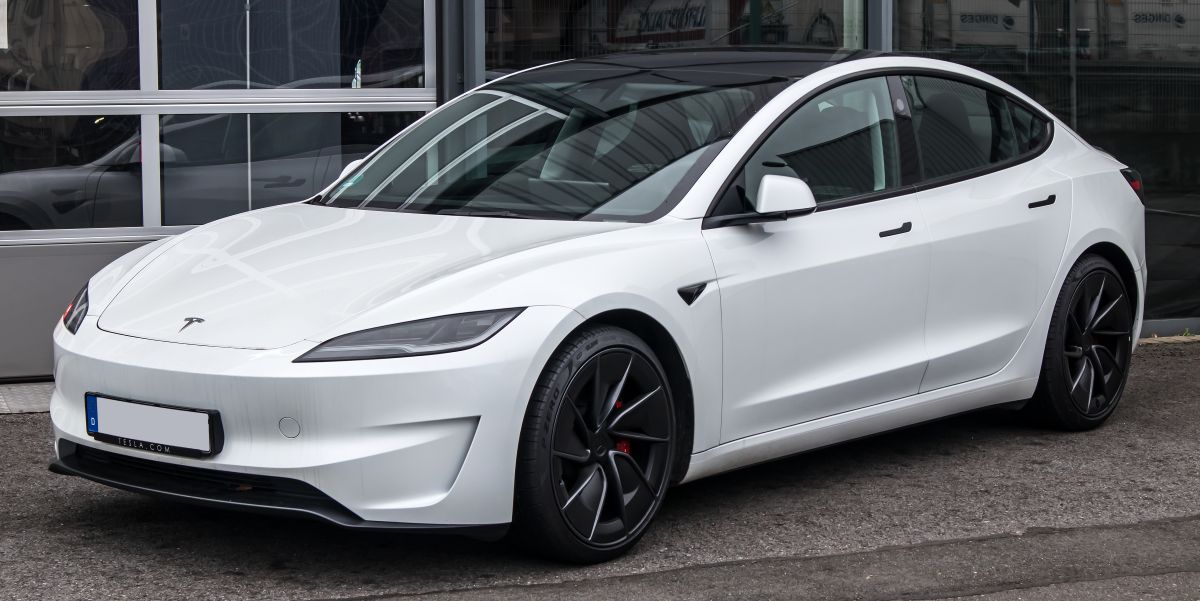
China’s EV battleground just delivered a reality check that would make Netflix’s subscriber wars look quaint. Tesla crashed out of China’s top 10 EV rankings in April, managing just 25,956 retail sales—a brutal 53.74% plunge from March and 9.66% drop year-over-year. The company’s China market share shrank to 3.06%, its lowest level since November 2025, according to China Passenger Car Association data.
The Numbers Tell a Stark Story
Tesla’s Model Y remained the domestic workhorse with 22,990 sales, accounting for nearly 89% of the company’s China retail volume. But the Model 3 told a different story entirely—just 2,966 units sold, down 66% year-over-year and 81.78% from March. That’s a product losing relevance fast.
Chinese Brands Own the Podium
BYD dominated with 182,025 passenger electric sales and 21.4% market share—nearly seven times Tesla’s volume. Geely grabbed second place with 95,585 sales, followed by Changan’s 64,471. The real surprise? Xiaomi EV and Leapmotor both outpaced Tesla for top-five spots. Even Nio’s tenth-place finish with 29,312 sales was enough to bump Tesla from the rankings entirely.
Export Strategy Cushions the Blow
Tesla’s domestic stumble didn’t crater total production. The Shanghai Gigafactory exported 53,522 vehicles in April—up 80% year-over-year—revealing a strategic shift toward using China as an export hub rather than conquering the local market. Smart hedging, but it signals retreat from the world’s largest EV battleground.
Competition Drives Innovation Forward
You’re witnessing market maturation in real-time. More competition pressures automakers to innovate faster, cut prices, and deliver genuine value rather than riding brand recognition. Chinese cars now challenge Tesla on home turf while expanding globally, forcing the entire industry to accelerate product cycles and feature development.
The takeaway isn’t Tesla’s decline—the company still ranked fifth in cumulative January-April sales with 138,754 units. Instead, this shows how quickly market dynamics shift when genuine competition emerges. Tesla needs sharper pricing, fresher products, or deeper localization to regain China momentum. The days of coasting on early-mover advantage are officially over.