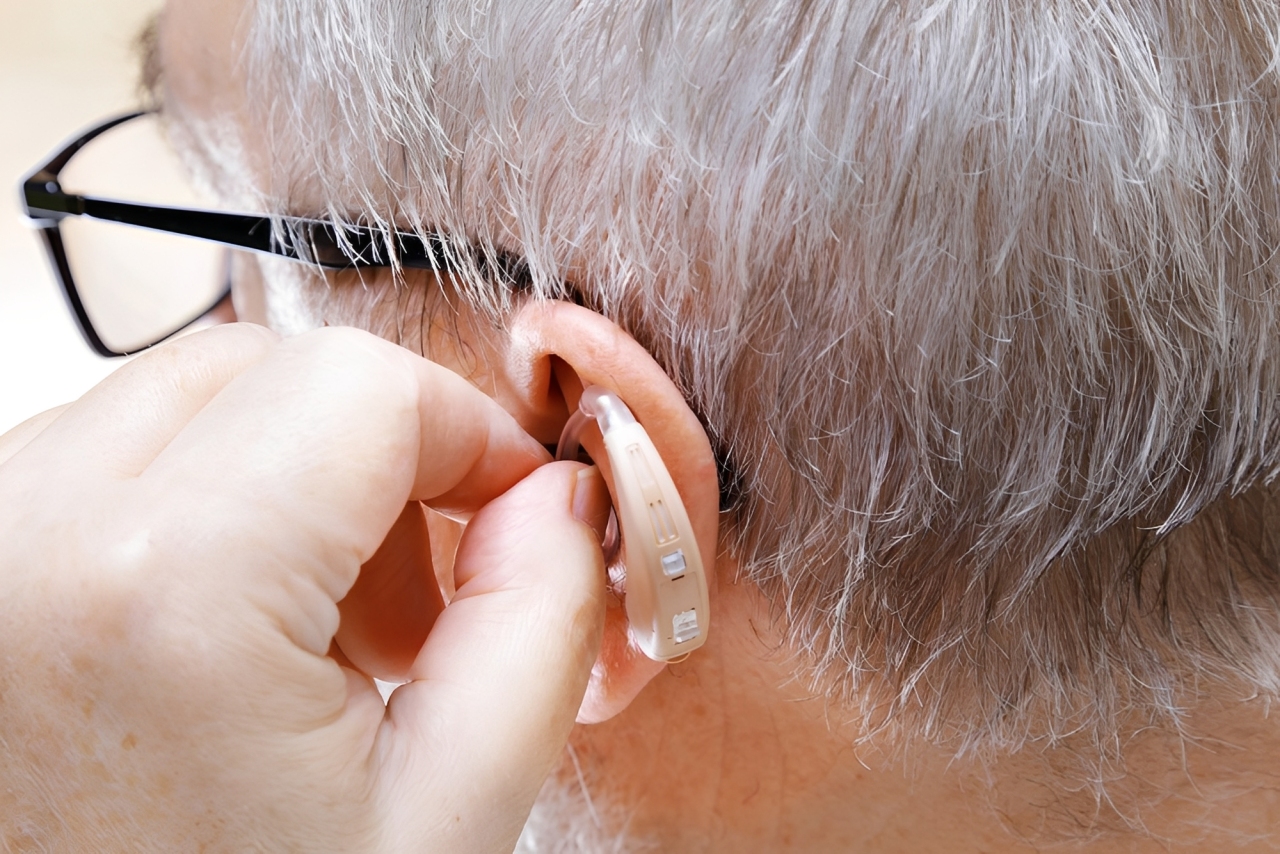
Dead batteries were supposed to be hearing aids’ biggest problem, until apps took over. Your $5,000 medical device now depends on smartphone software for basic functions like volume and sound adjustment. Welcome to the “calibration loop”—where Silicon Valley’s move-fast-and-break-things mentality has infected life-critical technology, turning essential hearing into a tech support nightmare.
The Medical Device That Needs Rebooting
Modern hearing aids require constant app-based adjustments that professional audiologists once handled with precision instruments.
“Calibration” in hearing aid terms means personalized adjustment matching amplification to your specific hearing loss profile. This involves frequency-specific tweaks, environmental testing, and ongoing manual controls as your hearing changes. Professional audiologists use specialized software for initial setup, but you’re stuck relying on consumer apps for daily “calibration”—volume tweaks, program switches, and EQ adjustments that determine whether you can follow conversations or get lost in audio chaos.
When Updates Wipe Your World Silent
App ecosystems enable advanced features but introduce consumer software pitfalls that isolate users from sound.
Those premium features—Bluetooth streaming, AI-driven real-time adaptation, spatial audio—come with a devastating catch. App updates reset your custom settings. Poor UX design uses small fonts and low contrast, which defeats accessibility needs. Sync bugs cut off audio access entirely, leaving you stranded in silence while troubleshooting connectivity issues like you’re fixing a router, not a medical device.
Precision Meets Amateur Hour
Professional calibration uses sound level meters and couplers for accuracy, while consumer apps wing it with smartphone microphones.
The contrast is stark. Test box calibration for professionals relies on precision instruments—sound level meters, couplers, and controlled acoustic environments. Your “calibration” happens through a consumer app vulnerable to software glitches, feedback loops from poor fit, and the smartphone equivalent of crossing your fingers and hoping for the best. Medical-grade precision becomes consumer-grade guesswork.
The Amplification Trap Gets Worse
Hearing aids already struggle with fundamental limitations that apps compound rather than solve.
Here’s what hearing aids can’t fix: they amplify ALL sounds, including noise. Effective speech range stays under 10 feet. Noisy environments remain challenging despite AI promises. These devices don’t restore normal hearing—they require adjustment periods and constant tweaking. Apps should simplify this process. Instead, they add learning curves for complex settings while introducing new failure points that can leave you completely cut off from sound.
Modern hearing aids promise seamless integration but deliver app-dependent isolation. Medical devices deserve medical-grade reliability, not the beta-testing mentality that plagues consumer gadgets. Your hearing shouldn’t depend on whether an app developer pushed a stable update.