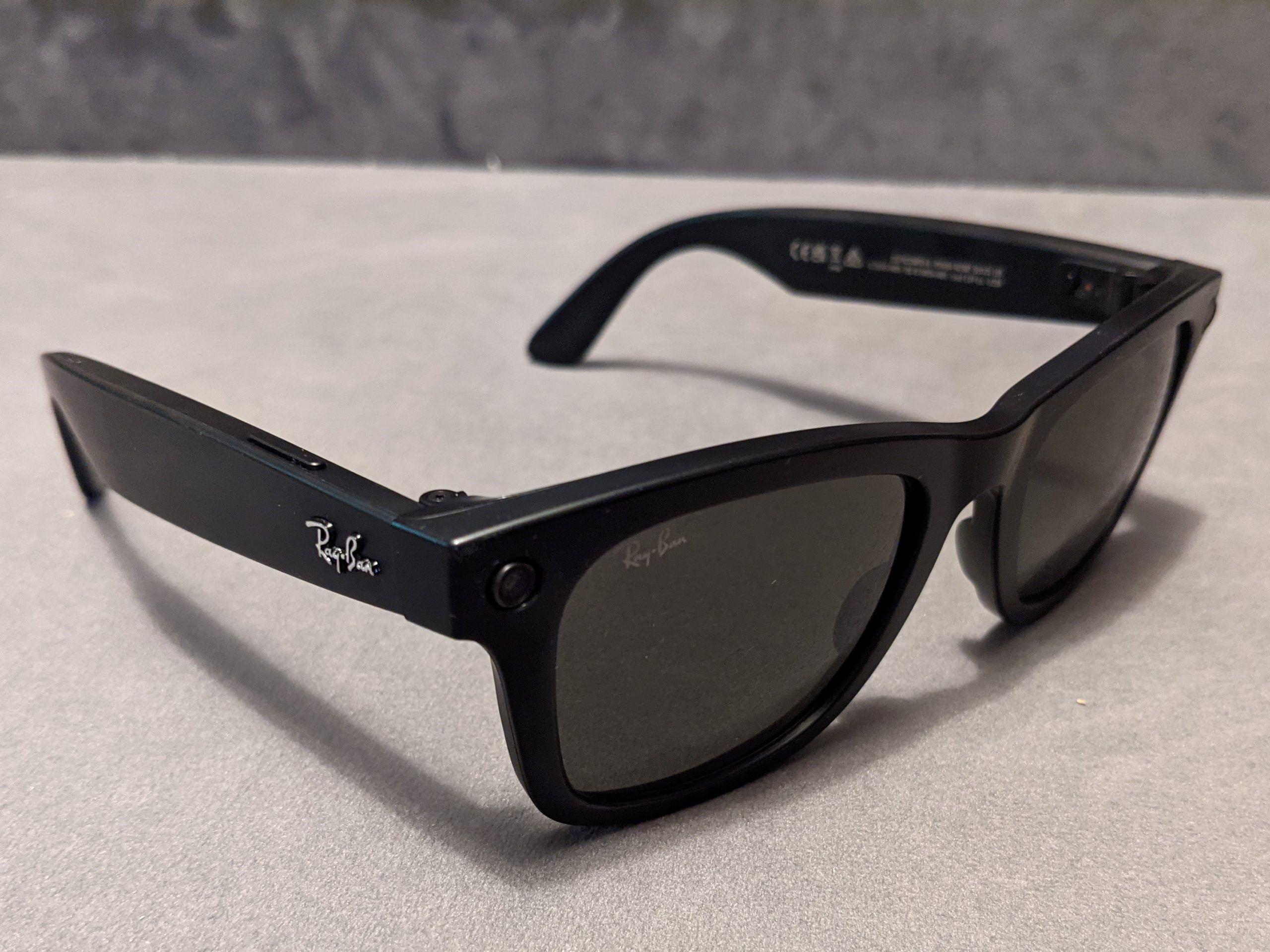
You know that sinking feeling when your hearing aid becomes useless the moment you step into a crowded restaurant. Background chatter drowns out your dinner companion’s voice, leaving you nodding along to conversations you can’t actually follow. Researchers from Heriot-Watt University, Edinburgh Napier University, and the University of Stirling just unveiled experimental AI-powered smart glasses that tackle this exact frustration—and they might finally give hearing aids the upgrade they desperately need.
Cloud-Powered Lip Reading Changes the Game
Swedish servers process visual and audio data to isolate target voices in real time.
These prototype glasses work like having a personal sound engineer in your pocket. The embedded camera captures lip movements while you look at someone speaking, then streams both audio and video to cloud servers in Sweden via 5G. AI algorithms analyze the synchronicity between lip movements and speech patterns, isolating that specific voice from the acoustic chaos around you. The cleaned-up audio streams back to your hearing aids almost instantly, according to the Heriot-Watt University research team.
Visual Focus Beats Traditional Noise Canceling
Multiple-speaker situations expose where current hearing technology falls short.
Unlike Apple’s FDA-approved AirPods Pro 2 or traditional noise-canceling tech, these glasses use your gaze as the selection tool. Look at your server while three other tables are ordering nearby, and the AI prioritizes their voice over the surrounding conversations. This visual targeting addresses the cocktail party problem that has stumped hearing aid manufacturers for decades—something even the most advanced algorithms struggle with when working from audio alone.
Commercial Reality Check Arrives in 2026
University researchers plan partnerships with established hearing aid manufacturers.
The team aims for market launch by 2026, working with existing hearing aid companies rather than going direct-to-consumer. Their goal extends beyond just people with hearing loss—anyone dealing with loud work environments or bustling public spaces could benefit. The researchers also want to make AI-enhanced hearing support more affordable than current prescription hearing aids, potentially democratizing technology that traditionally costs thousands of dollars.
Internet Dependency Creates Practical Hurdles
Always-on connectivity requirements and privacy concerns complicate adoption.
Reality intrudes with some significant caveats. These glasses need constant high-speed internet to function—the AI processing demands are too intense for local hardware. You’re also streaming live audio and video of every conversation to servers in another country, raising obvious privacy questions that the research team hasn’t publicly addressed yet. Plus, pricing remains unknown, leaving questions about insurance coverage and actual accessibility for those who need it most.