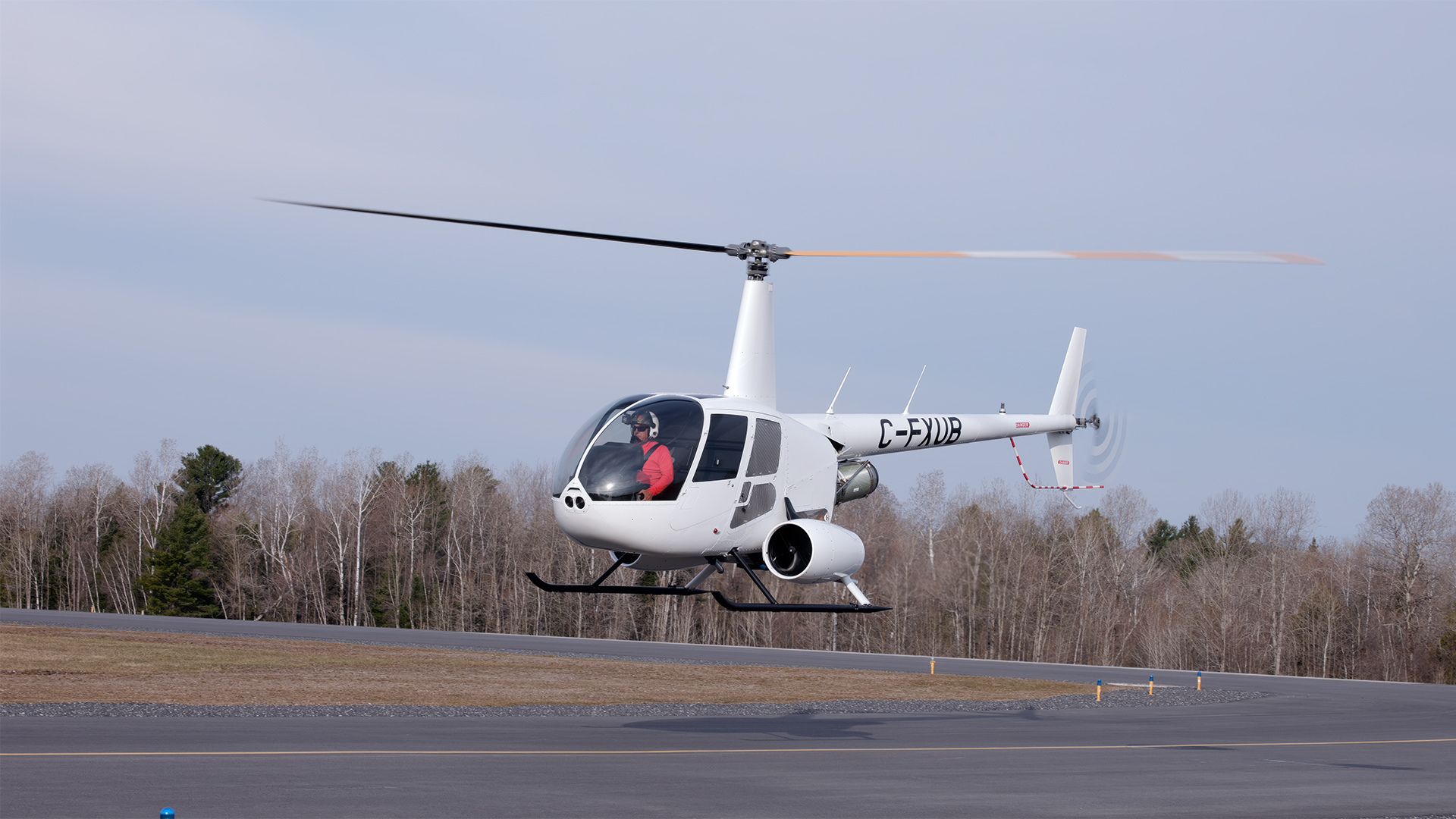
A hydrogen-powered helicopter completed its first full circuit flight last April at Roland-Désourdy Airport in Quebec, marking aviation’s latest “impossible until yesterday” moment. Test pilot Ric Webb executed takeoff, climb, pattern flight, approach, and landing in a modified Robinson R44 Raven II—proving hydrogen-electric propulsion works beyond the theory stage. While electric aircraft have dominated headlines, this milestone targets something more urgent than passenger flights: getting manufactured organs to patients without carbon emissions or traffic delays.
The Tech That Makes It Possible
Proton Exchange Membrane technology delivers 90% of flight power with battery backup.
Twin low-temperature PEM fuel cells provide roughly 90% of the power, paired with a MagniX electric motor and lithium-ion battery for peak demands. Green hydrogen stored in a tail-mounted cylindrical tank replaced the original Lycoming engine entirely—cooling nacelles added to manage the new thermal loads. Your Tesla’s battery tech works great for cars, but hydrogen packs 2.5 times the energy density of kerosene, making it the superior choice for aircraft that need serious range and payload capacity.
From Lab to Life-Saving Missions
United Therapeutics subsidiary targets zero-emission medical logistics across 200-nautical-mile routes.
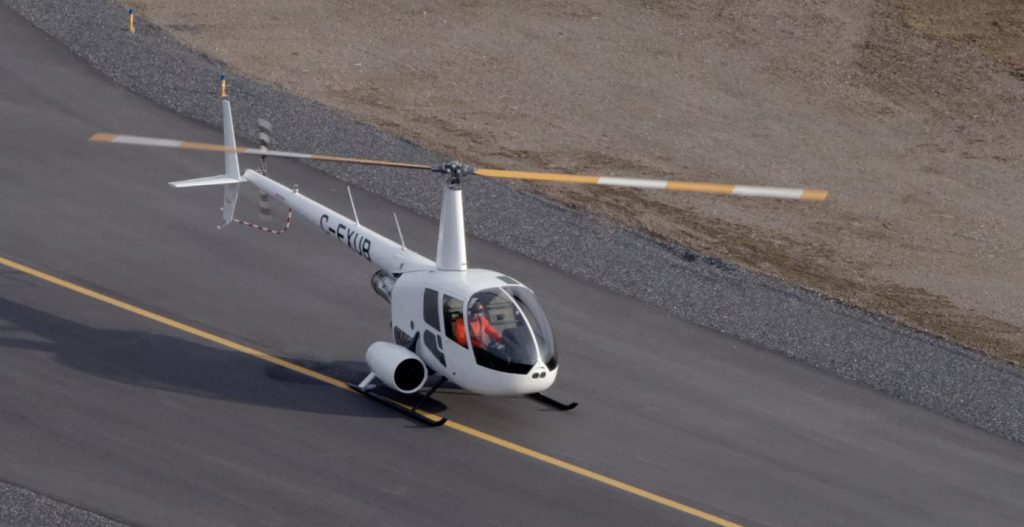
Unither Bioélectronique, owned by United Therapeutics, isn’t building toys for rich pilots. Their goal: zero-emission VTOL networks for manufactured organ delivery, where every minute counts and traffic jams kill patients. Current gaseous hydrogen provides about 30 minutes of flight time, but planned liquid hydrogen upgrades promise 200 nautical miles of range. “Piloted hydrogen-electric vertical flight can move from theory to repeatable, safe, real-world testing,” says UB VP Mikaël Cardinal, emphasizing the shift from proof-of-concept to operational reality.
Certification Path Ahead
Project Proticity partnership with Robinson Helicopter targets supplemental type certification for R44 and R66 platforms.
This flight operated under experimental permits, but UB and Robinson Helicopter’s Project Proticity partnership aims for full certification. JR Hammond from Canadian Advanced Air Mobility puts it bluntly: “Hydrogen flight is flying… built into a pathway for healthcare, emergency response, and regional logistics.” The regulatory ecosystem needs to catch up with the technology—hydrogen infrastructure, safety protocols, and certification standards all require development before your local hospital can deploy these aircraft operationally.
The achievement transforms hydrogen aviation from slideware to flight-tested reality. While eVTOL companies chase urban air taxi dreams, this hydrogen helicopter solves immediate problems in medical logistics and emergency response. Sometimes the most revolutionary technology isn’t the flashiest—it’s the one that quietly saves lives while everyone else argues about flying cars.