South Korea’s military faces a stark reality: troop numbers have plummeted 20% to 450,000 over six years, with projections showing further decline to 350,000 by 2040. The culprit isn’t war casualties—it’s the world’s lowest birth rate. Now the army is exploring partnerships with Hyundai Motor Group to deploy robots on front lines, transforming your everyday mobility tech into military hardware.
From Factory Floors to Battle Lines
Consumer robotics platforms transition into military surveillance and logistics roles.
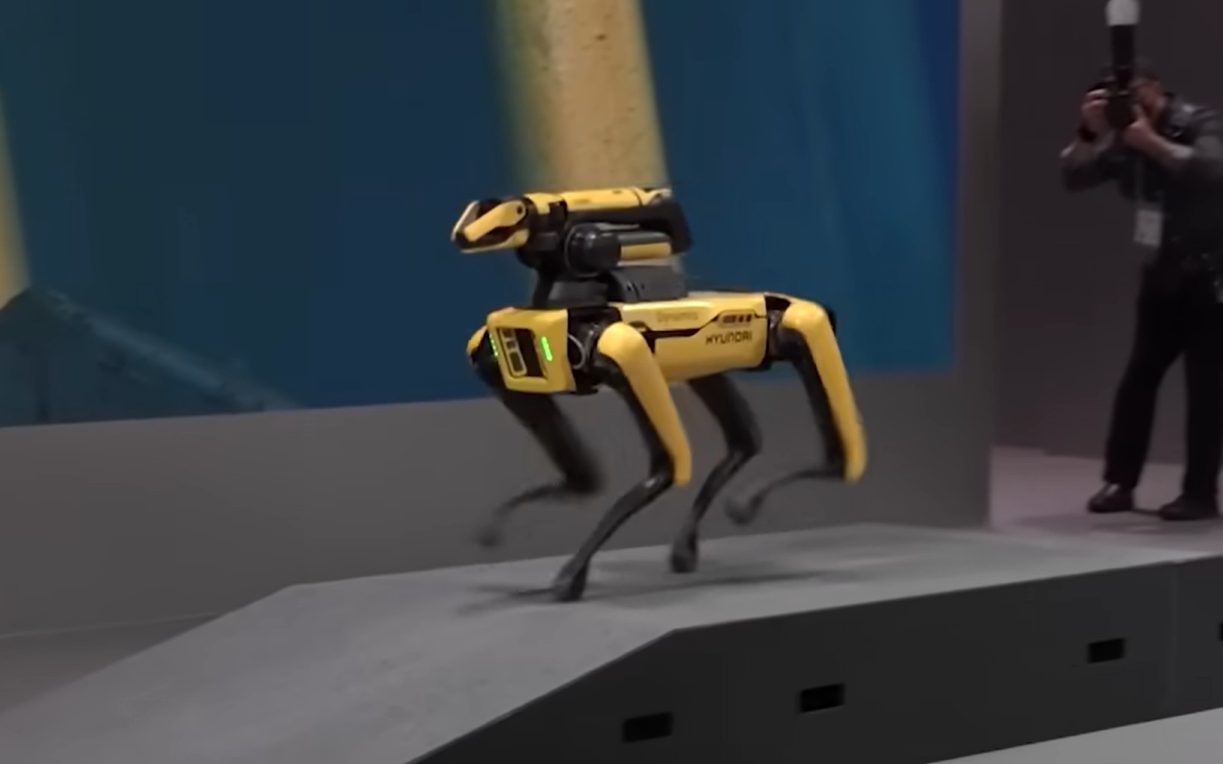
The robots under consideration aren’t science fiction fantasies. Hyundai’s MobED, a four-wheeled mobile platform originally designed for deliveries, could handle surveillance duties. The X-ble Shoulder exoskeleton, built for factory workers, might assist soldiers with heavy equipment. Boston Dynamics’ Spot—the viral dancing robot you’ve seen on social media—would patrol perimeters and conduct reconnaissance.
These machines won’t carry weapons. South Korea’s military emphasizes non-combat roles like logistics and surveillance, avoiding the ethical minefield of lethal autonomous weapons while addressing genuine personnel shortages.
EV Tech Meets Defense Strategy
Automotive industry expertise accelerates military robotics development.
Samsung Securities analyst Esther Yim explains the strategic advantage: “Robotics is a field without legacy constraints. Robots can leverage the electric and electronic technologies established in autonomous vehicles, allowing for very rapid proliferation.”
This isn’t Hyundai’s first deployment beyond automotive. In February 2026, the company donated four HR-Sherpa-based firefighting robots to Korea’s National Fire Agency—machines already deployed in actual operations. Meanwhile, HD Hyundai affiliates are testing AI-powered humanoid robots in shipyards, proving the company’s robotics ambitions extend far beyond cars.
The Defense Tech Gold Rush
Corporate pivots from consumer markets signal broader industry transformation.
While Hyundai declined comment on military discussions, the timing aligns perfectly with their broader robotics push. You’re witnessing the Tesla playbook applied to defense: leverage consumer EV and battery technology for rapid military adaptation. It’s like watching Netflix pivot from DVDs to streaming, except the stakes involve national security.
This partnership signals more than military modernization—it represents Asia’s embrace of robot-assisted warfare. As demographic decline forces innovation, expect other nations facing similar population crunches to follow suit. The question isn’t whether robots will join armies, but how quickly consumer tech giants will pivot their platforms for defense contracts.
For Hyundai, it’s a calculated expansion into lucrative government markets. For robotics enthusiasts, it’s validation that your favorite tech demos are becoming mission-critical tools.