




Imagine having your every move recorded without consent—then paying ransom to stop it. A BBC investigation revealed exactly this scenario when a woman named Alice was covertly filmed by a man wearing smart glasses in a London shopping center. The footage, posted online, garnered over 40,000 views before the perpetrator demanded payment to remove it as a “paid service.”
The Invisible Camera Problem
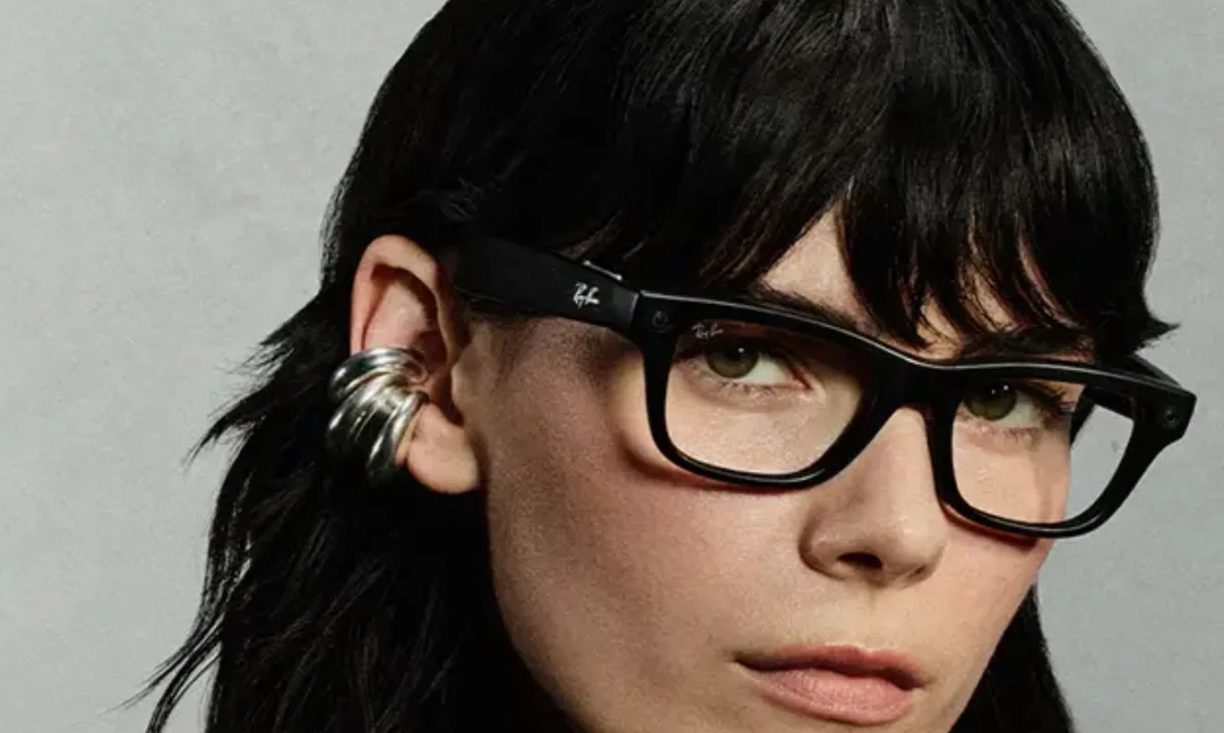
Ray-Ban Meta smart glasses record through built-in cameras with LED indicators so subtle they’re easily obscured or ignored. Unlike obvious phone recording, these devices blend seamlessly into everyday fashion. You could be filmed right now and never know it. The technology transforms anyone wearing them into a potential surveillance operator—no training required, no obvious equipment visible.
Platform Whack-a-Mole
TikTok banned the perpetrator’s account and Meta removed the video, but Alice fears he still possesses the original file. This highlights the enforcement gap: platforms can delete public posts, but they can’t reach into someone’s personal device storage. Your humiliating moment might disappear from social media while living forever on a hard drive, ready for future exploitation whenever the mood strikes.
When Wearables Weaponize
According to Professor Algül, smart glasses “can be misused for covert filming and digital harassment, turning these devices into tools for privacy violation.” The UK government called non-consensual filming “vile” while announcing new strategies against technology-enabled abuse. But the real concern extends beyond basic recording—AI-powered facial recognition and biometric data collection mean your identity, not just your image, becomes harvested data. These aren’t just cameras; they’re intelligence-gathering systems disguised as fashion accessories.
The incident pressures manufacturers toward visible recording indicators and consent mechanisms, while regulators eye potential bans in private spaces. Your next shopping trip might require scanning for tiny LEDs on stylish frames—because privacy violations now come designer-wrapped and socially acceptable. The surveillance state didn’t arrive through government mandate; it walked in wearing Ray-Bans.


























