Your morning coffee shouldn’t come with earthquake-level vibrations, but tell that to South Texas residents living near SpaceX’s Starbase. Eighty homeowners filed a federal lawsuit Thursday against Elon Musk’s space company, claiming 11 Starship rocket tests between April 2023 and October 2025 have systematically damaged their properties. We’re talking cracked walls, broken windows, and roof damage—the kind of structural problems that make you question whether reaching for Mars is worth shaking apart your bedroom.
The Raw Power Behind the Pain
Starship’s 33 engines generate thrust that’s 10 times louder than SpaceX’s workhorse Falcon 9.
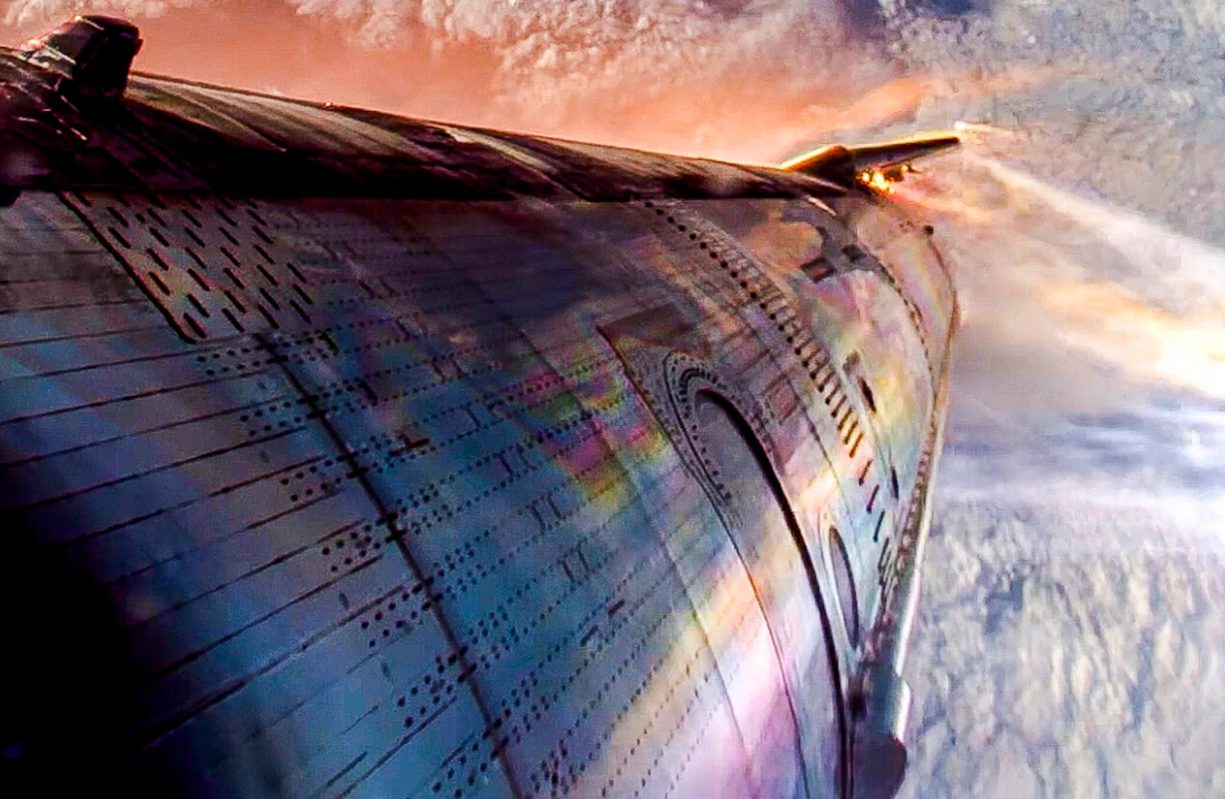
These aren’t gentle neighborhood disturbances. Starship’s 33 Raptor engines produce roughly 16 million pounds of thrust—enough power to launch a 400-foot rocket toward interplanetary destinations. The inaugural April 2023 test literally destroyed the launch pad and scattered debris three-quarters of a mile. According to the lawsuit filed in U.S. Southern District of Texas Court, the acoustic assault is at least ten times more intense than Falcon 9 launches, creating sonic events that crack glass and threaten structural integrity across Laguna Vista, Port Isabel, and South Padre Island.
Scaling Up the Neighborhood Nightmare
FAA approved 25 annual launches in 2025, but SpaceX wants 100 per year at full operation.
The frequency problem compounds the power issue. The FAA authorized up to 25 Starship launches annually in 2025—five times the previous limit—while SpaceX aims for 100 yearly flights once fully operational. Each test closes an adjacent eight-mile beach, essentially turning a public coastline into SpaceX’s private testing ground. The plaintiffs allege the company proceeded with “conscious indifference” to residential impacts, conducting tests without properly assessing flight effects on nearby homes.
What Happens Next Could Change Everything
May 12 test flight proceeds amid lawsuit seeking damages and jury trial.
SpaceX has another Starship test scheduled for May 12, lawsuit or no lawsuit. The 80 plaintiffs seek damages, court costs, and attorney fees—but the real stakes involve precedent. As private space companies transform coastlines into industrial launch sites, this case could determine whether community impact gets factored into rapid iteration development cycles. The space industry’s “move fast and break things” mentality works differently when you’re literally breaking your neighbors’ things.