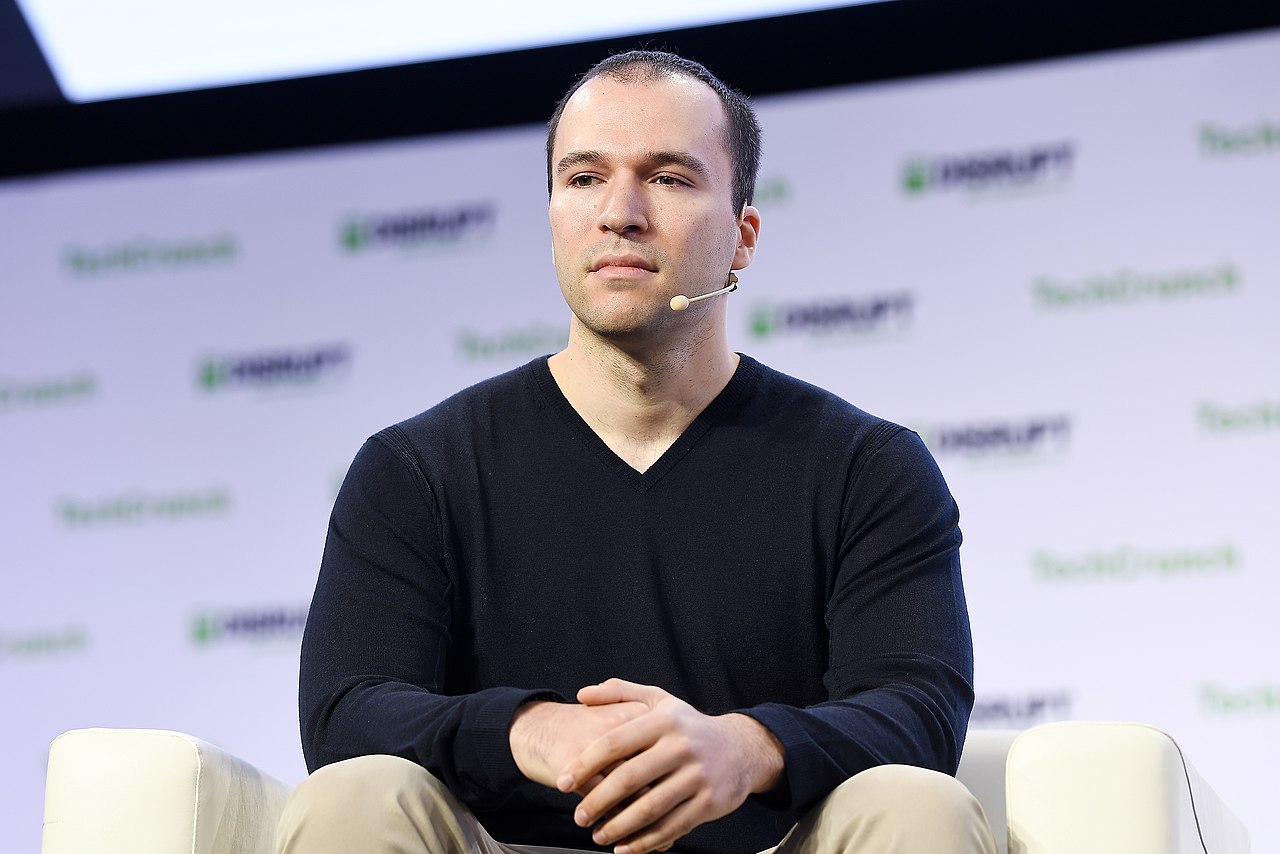
The moment when a $850 billion company’s future hung on one heated confrontation. OpenAI President Greg Brockman delivered explosive testimony Tuesday in the Musk v. Altman trial, claiming Elon Musk “stormed around the table” during a 2017 equity dispute and left him fearing physical attack. “I actually thought he was going to hit me,” Brockman testified in Oakland court, describing the confrontation that preceded Musk’s departure from the AI powerhouse behind ChatGPT.
The Mansion Showdown
The drama unfolded at Musk’s San Francisco property after OpenAI’s first major victory against a top Dota 2 player.
The confrontation occurred at Musk’s San Francisco “haunted mansion” after OpenAI achieved its breakthrough moment—defeating a professional gamer at Dota 2. According to Brockman’s testimony, Musk demanded 51% equity control and the CEO role, exploding when founders including Sam Altman and Ilya Sutskever resisted. The confrontation reveals how personal grudges shaped an industry that affects millions of users daily.
Musk had contributed $38 million to launch the nonprofit, but his vision of control clashed spectacularly with the founders’ collaborative approach. The heated exchange would ultimately drive a wedge between the co-founder and the organization he helped create.
The Numbers Behind the Fury
OpenAI’s transformation from scrappy nonprofit to AI giant becomes stark when examining the astronomical costs involved.
Compute costs—the massive expenses for training AI models—exploded from $30 million in 2017 to $50 billion in 2026. Brockman’s stake now sits at $30 billion, while Musk seeks over $100 billion in damages plus a complete reversion to nonprofit status. Those figures explain why this courtroom battle matters far beyond Silicon Valley egos.
Wolves vs. Sheep
Musk’s departure led to competing visions of AI safety and development that continue today.
After resigning from OpenAI’s board in 2018, Musk reportedly told staff he planned to develop AI at Tesla without safety constraints to “catch up to DeepMind.” His statement: “If the sheep are dictating safety and the wolves are not, there would be no purpose.” Now competing through xAI—reportedly one-tenth OpenAI’s size according to trial testimony—Musk’s pivot from collaborator to rival reshapes how consumers access AI tools and influences which company controls the technology’s direction.
What This Means for AI’s Future
The trial’s outcome could establish crucial precedents for how AI companies transition from research nonprofits to commercial powerhouses.
The outcome affects not just billionaire egos but the competitive landscape that determines which AI products reach your devices and at what cost. With Sam Altman set to testify soon, the stakes keep climbing in a legal battle that’s really about who controls humanity’s AI future.