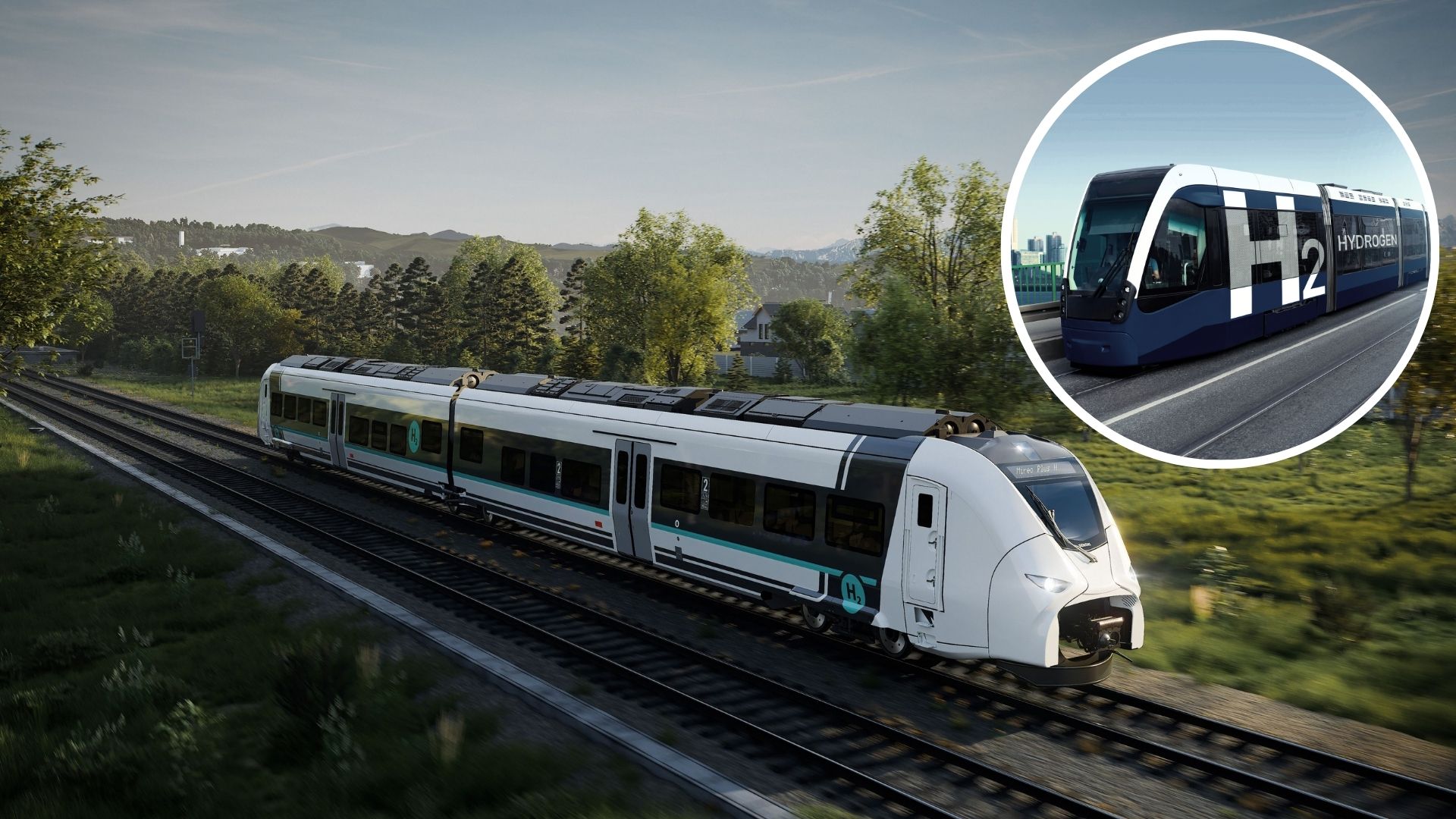
Romania just made hydrogen trains real with a €229.3 million ($267,941,636.00 USD) contract that puts Siemens Mobility’s Mireo Plus H fleet on Eastern European tracks for the first time. The Railway Reform Authority inked the deal for 12 two-car units—each capable of 120 km/h and seating 136 passengers—marking a decisive shift from diesel-dependent regional lines.
This isn’t just another press release promise. EU Transport program funding backs the investment, with first deliveries scheduled within 24 months and full deployment by spring 2029. The contract includes 15 years of maintenance performed locally in Romania, suggesting long-term infrastructure commitment rather than experimental dabbling.
Zero Emissions Meet Real-World Performance
Fuel cells and batteries combine to eliminate diesel dependency entirely.
The Mireo Plus H solves the electrification problem that plagues rural rail networks across Europe. Instead of expensive overhead wires, these trains generate power through onboard hydrogen fuel cells paired with battery storage that charges via regenerative braking. You get zero local emissions without rewiring half the countryside.
Technical specs reveal serious engineering: multi-unit coupling allows longer consists, while ETCS compliance ensures interoperability across European networks. The trains feature modern passenger information systems—a welcome upgrade from Romania’s aging diesel fleet that sounds like a coffee grinder having an existential crisis.
Eastern Europe Embraces the Hydrogen Wave
Romania joins growing movement toward rail decarbonization.
This deployment represents more than Romanian infrastructure upgrades. According to Andre Rodenbeck, CEO of Rolling Stock at Siemens Mobility, “Hydrogen will play a key role in achieving climate-neutral mobility in Europe.” The timing aligns perfectly with EU Fit for 55 targets that demand serious emissions cuts by 2030.
Germany already runs hydrogen trains successfully, but Eastern European adoption signals broader market maturity. Non-electrified routes—which comprise significant portions of regional networks—suddenly have a viable diesel alternative that doesn’t require massive grid investments.
What This Means for European Transport
Success in Romania could accelerate hydrogen adoption across the continent.
Romania’s hydrogen bet could trigger a domino effect across similar networks throughout Eastern Europe. If these trains deliver on performance promises while maintaining reasonable operating costs, expect procurement announcements from neighboring countries facing identical diesel-dependency challenges.
The real test comes in 2029 when passengers experience hydrogen rail firsthand. Success here transforms hydrogen from experimental technology into mainstream European transport infrastructure.