Delivering DoorDash orders shouldn’t land you in handcuffs, but that’s exactly what happened when Kimberlee Williams was arrested at Fort Sill military base in June 2021. The 57-year-old Oklahoma resident spent six months behind bars for bank fraud she didn’t commit—all because facial recognition technology tagged her as a suspect in crimes that happened 1,200 miles away.
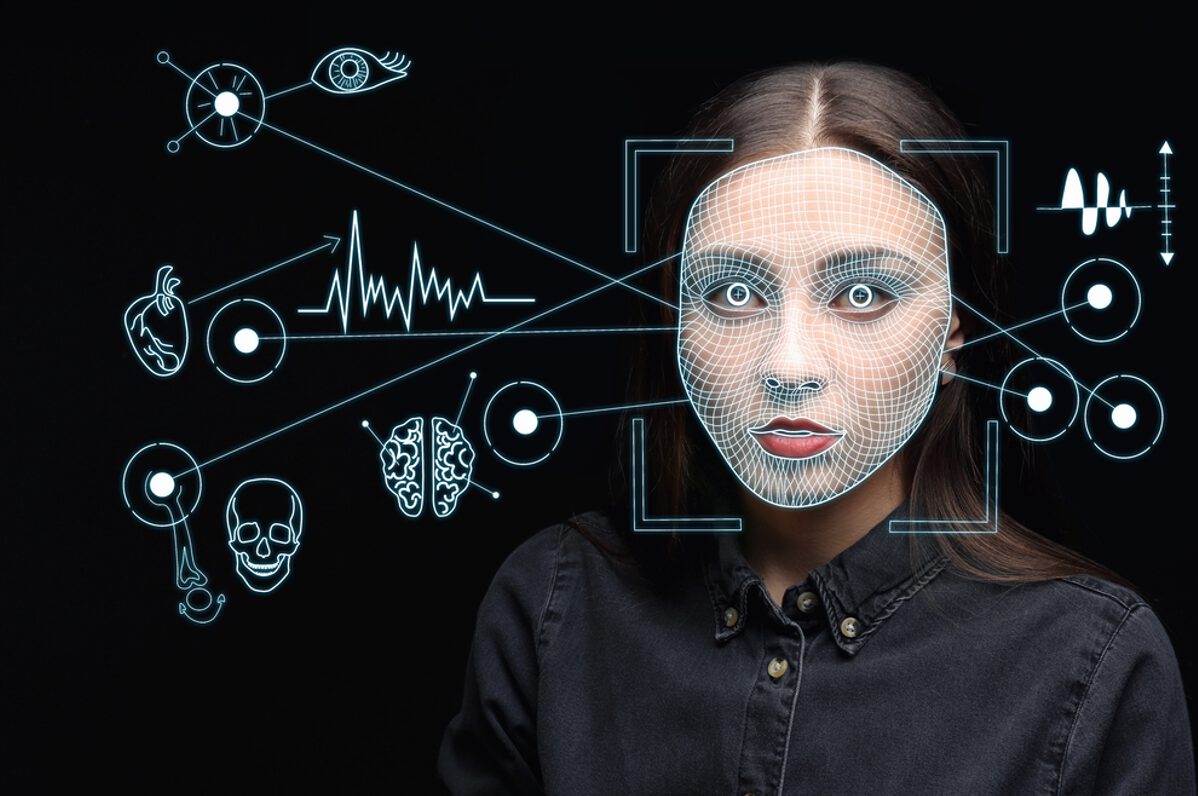
Williams became the 14th known victim of facial recognition’s alarming failure rate. Her nightmare began when someone stole $17,000 using forged checks at a Maryland Truist bank in December 2019. A bank investigator uploaded surveillance photos to CrimeDex, a platform where law enforcement and private investigators share cases. A user suggested Williams based on facial recognition matching her old arrest photo to the grainy bank footage.
The Technology Cover-Up That Destroyed Lives
The investigator contacted Montgomery County police in March 2020 but conveniently omitted mentioning facial recognition technology. Police ran with the tip anyway, despite obvious physical differences between Williams and the actual perpetrator—different nose shapes, eye structures, and missing moles that any human comparison would catch.
Williams faced 16 charges across three Maryland counties based on this hidden AI suggestion and her decade-old check fraud convictions in Oklahoma. Police buried the FRT connection so deep that even arrest warrants made no mention of the technology that sparked the entire investigation.
When Algorithms Fail, Real People Suffer
“Hiding this unreliable step in the investigative process is deeply troubling,” said Mitha Nandagopalan from the Innocence Project. Professor Michael King echoes this concern, urging police to “actively look for evidence that the person is not the right suspect” instead of confirmation bias.
Facial recognition struggles most with women, older adults, and people of color—exactly Williams’ demographic. Yet investigators treated the AI match as gospel truth rather than a starting point requiring verification.
A Pattern Police Can’t Ignore
Williams spent three months in Montgomery County jail and over two months in Prince George’s County before charges finally crumbled in late 2021. Family declarations and geotagged social media posts from Oklahoma provided ironclad alibis that investigators never bothered checking initially.
Her case mirrors Angela Lipps, a Tennessee woman who spent months in North Dakota jail for bank fraud based on similar facial recognition errors. The ACLU now demands Maryland police apologize and implement reforms preventing arrests based solely on undisclosed facial recognition matches.
Maryland passed restrictions in 2024 limiting facial recognition as arrest justification, but Williams’ case proves the damage was already done.