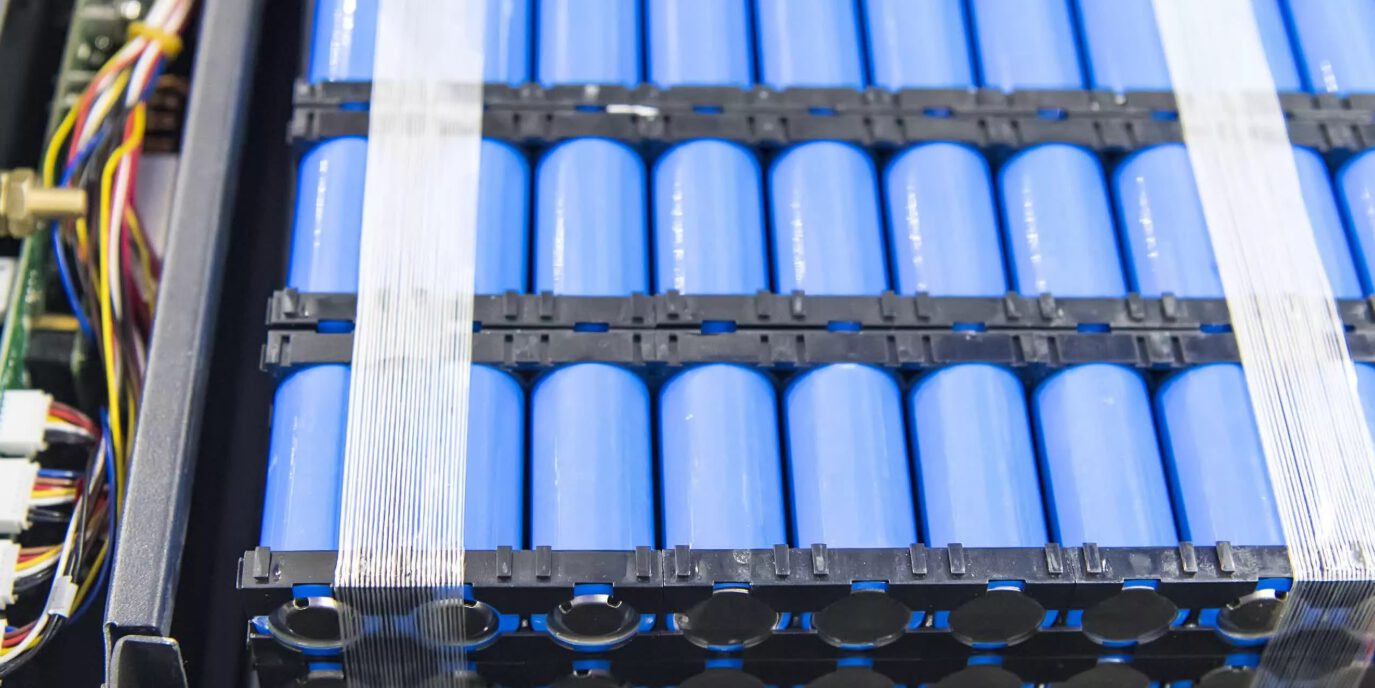
Japan just solved a puzzle that’s been haunting the EV industry for years. A recycling facility in Tsuruga has achieved 90% lithium recovery from used batteries—nearly double the industry’s previous sub-50% standard. This isn’t just another incremental improvement; it’s Japan’s strategic play for resource independence in an increasingly volatile supply chain world.
The Chemistry Behind the Breakthrough
The secret sauce lies in a surprisingly elegant swap. Instead of using sodium hydroxide for pH adjustment during the recycling process, JX Metals Circular Solutions substitutes recovered lithium hydroxide. This seemingly minor change transforms thermal-treated “black mass”—the metal-rich powder from incinerated batteries—into high-purity white lithium powder ready for new battery production. The process delivers a 40% carbon footprint reduction compared to conventional methods, proving efficiency and environmental benefits can actually align.
Beyond Lab Results Into Real Production
“We boosted lithium recovery from under 50% to 90% by changing chemicals and processes,” explains Tadashi Nakagawa, the facility’s vice president. “It would really benefit Japan as a whole.” While Redwood Materials reportedly claims 95% recovery rates, Japan’s approach focuses on scalable, carbon-efficient processes ready for mass production validation by April 2027. The achievement already surpasses Japan’s regulatory mandate requiring 70% lithium recovery by 2030—hitting government targets three years early matters more than lab percentages.
The Collection Problem Nobody Talks About
The reality is stark: only approximately 14% of Japan’s end-of-life lithium-ion batteries currently enter official collection channels. Many retired EVs get exported, taking their valuable materials with them. Japan’s recycling breakthrough resembles having a Ferrari engine in a car with square wheels—impressive technology constrained by infrastructure gaps. Mass production begins in 2027, but collection networks need parallel investment to make the economics work.
What This Means for Your Next EV
Japan’s recycling success addresses a fundamental vulnerability: the country imports virtually all battery minerals, with significant processing routed through China. Domestic lithium recovery at scale could reduce EV production costs while insulating manufacturers from geopolitical supply disruptions. By 2035, Japan aims to extract 30,000 tons of critical materials annually through recycling. Your future EV might cost less and arrive on schedule because someone figured out how to turn battery waste into strategic advantage.