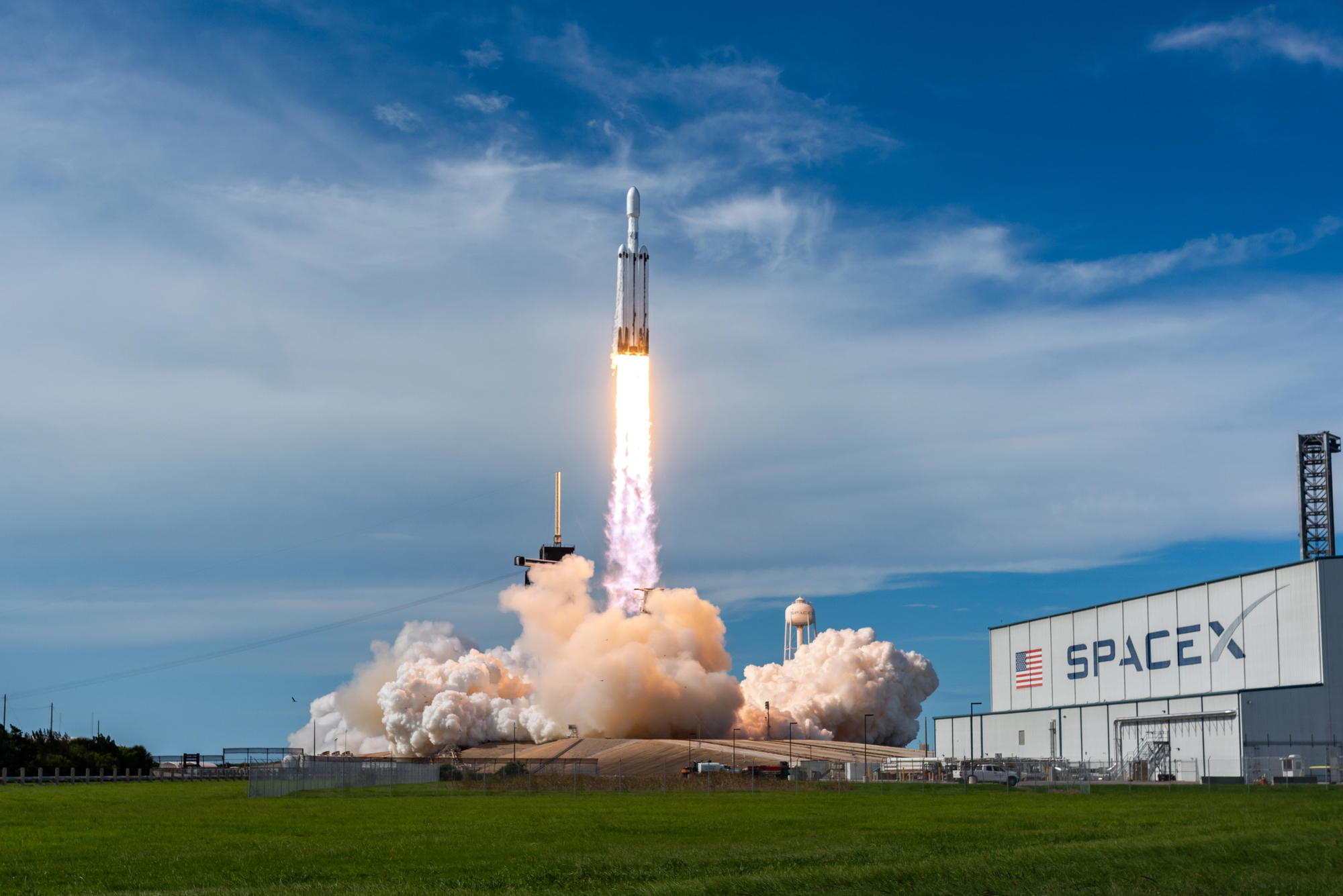
Earth’s data centers are melting under AI’s power demands, but Elon Musk thinks lunar manufacturing holds the answer. His February announcement pivoting SpaceX and xAI toward a “self-growing city” abandons the Mars-first obsession for something more immediately profitable: a lunar outpost churning out AI satellites. The timeline? Under ten years, because apparently even Musk’s patience has limits when there’s money involved.
The Lunar Assembly Line Takes Shape
The plan centers on electromagnetic catapults launching AI satellites from lunar soil, leveraging the Moon’s 10-day launch windows versus Mars’s brutal 26-month cycles. Vacuum cooling and unlimited solar power would scale orbital data centers dramatically—enough compute to make your ChatGPT lag look quaint.
SpaceX’s Starship becomes the supply truck while xAI handles the brain work, turning science fiction into a subscription service. Lunar ice provides oxygen and fuel, making this self-sustaining in ways Mars never could.
From Red Planet Dreams to Lunar Pragmatism
Remember when Musk dismissed lunar missions as distractions from Mars colonization? That was before AI became the hottest investment category and xAI needed massive computing power. “Elon’s timelines are always super ambitious, but that’s how he gets great things done,” space analyst Autry notes diplomatically.
Of course, these grand pronouncements come via X posts and internal memos—no official press releases cluttering up the narrative.
Reading the Real Business Model
Executive departures at xAI, whispers of a combined SpaceX-xAI IPO, and competition with China’s 2030 lunar goals reveal the actual strategy. This isn’t exploration—it’s infrastructure development with a 240,000-mile moat.
While NASA fumbles Artemis timelines, Musk positions lunar industry as the solution to AI’s earthbound energy crisis, turning Moon rocks into silicon gold.
The Galactic Civilization Sales Pitch
Musk frames this as stepping toward “galactic civilization scale” computing—the kind of rhetoric that gets investors excited and engineers working weekends. Mars remains on the timeline (5-7 years, naturally), but the Moon offers faster iteration cycles and quicker returns.
Whether humanity’s cosmic destiny begins with lunar data farms or ends with another ambitious pivot remains the trillion-dollar question.