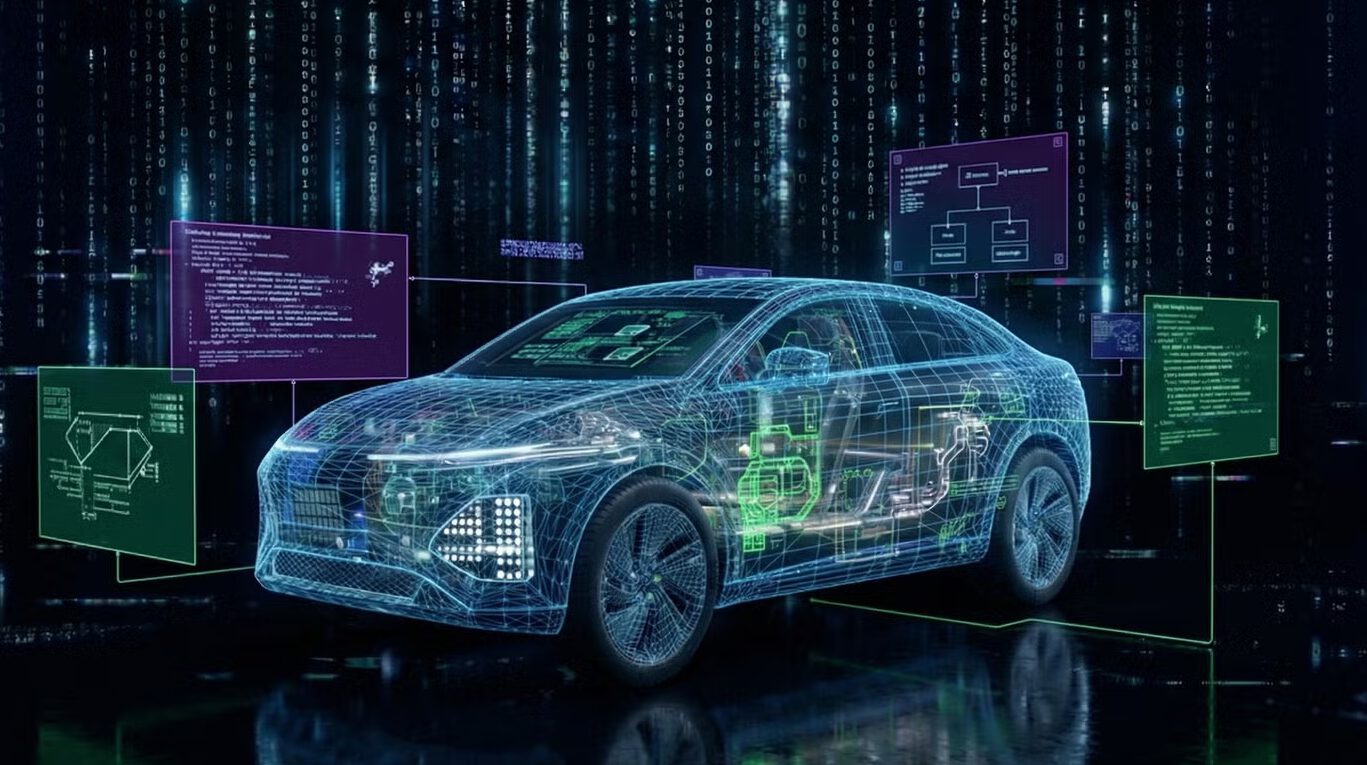
Buying a car means choosing between a dozen different infotainment systems that work like flip phones from 2005. Google just declared war on this chaos with Android Automotive OS for Software-Defined Vehicles (AAOS SDV), announced March 24, 2026. This isn’t another phone-mirroring trick—it’s a complete takeover of your car’s non-safety systems, transforming vehicles into smartphones on wheels.
Think beyond touchscreen maps and Spotify playlists. AAOS SDV controls:
- Seat adjustments
- Climate zones
- Exterior lighting
- Backup cameras
- Mirrors
- Instrument clusters
“AAOS SDV’s core is a lightweight Android-based operating system incorporating low-level automotive specific frameworks,” explains Eser Erdem, Senior Engineering Manager at Android Automotive. Your dashboard becomes as responsive as your phone, minus the safety-critical steering and braking functions that remain untouched.
The real victory here is over-the-air updates that actually matter. Current car software updates feel like downloading dial-up patches for Windows 95—slow, painful, and barely noticeable. Google’s system promises granular OTA updates across 90% of vehicle functions, meaning your three-year-old car could wake up with new features instead of becoming obsolete. No more dealership visits to fix buggy climate controls or update navigation maps that still think Blockbuster exists.
Renault leads the charge with their Trafic E-Tech electric van hitting production in late 2026, while Qualcomm provides cloud-based testing through Snapdragon processors. Current Android Automotive already powers Volvo EX90, Polestar models, and select Porsche, Hyundai, and Honda vehicles—proving this isn’t vaporware. Google plans to release AAOS SDV through the Android Open Source Project later this year, giving every automaker access to the same standardized foundation.
This shift makes car shopping more like choosing between iPhone and Android than comparing engine specs. While Tesla owners might scoff at standardization, most drivers just want their car’s software to work as reliably as their phone. Google’s betting you’d rather have seamless updates than another proprietary nightmare that crashes every winter.