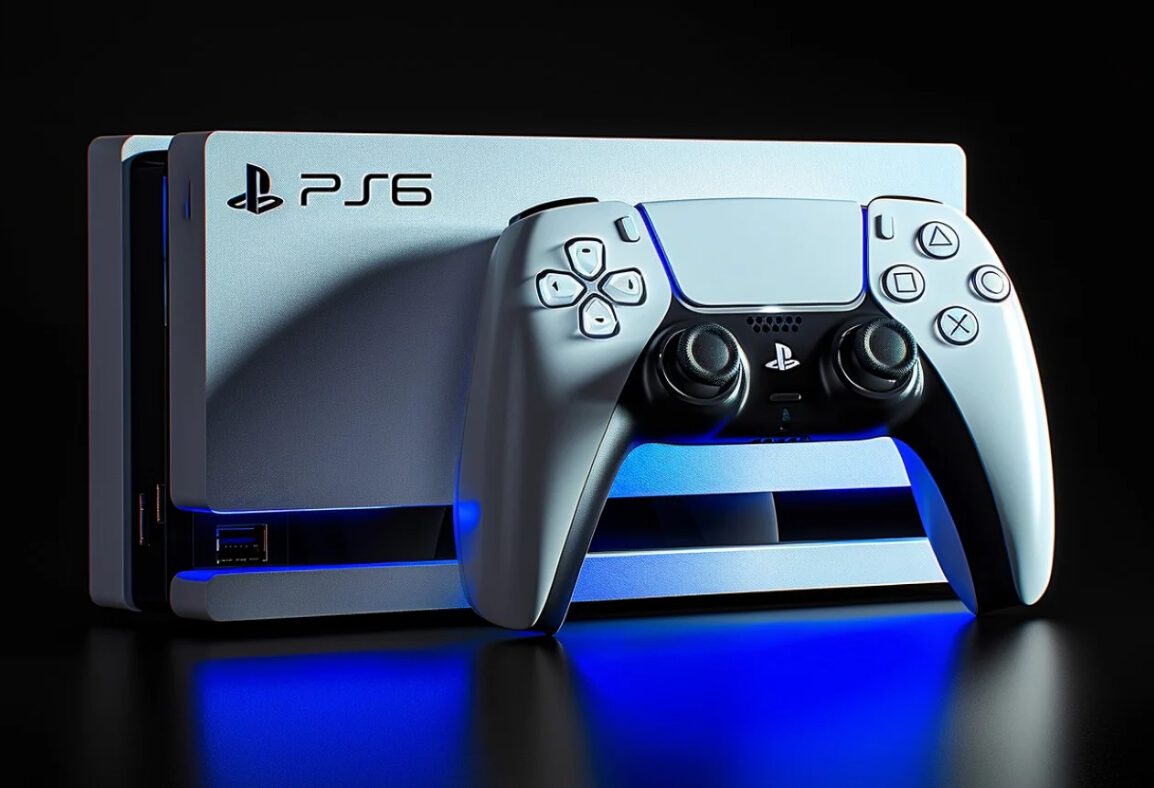
Sony’s reportedly planning surgical cost reduction for the PlayStation 6: strip out the disc drive, slash the bill of materials to $760, and hit a $699 retail price instead of the feared $1000. According to leaker Kepler_L2, who’s built credibility on hardware predictions, this digital-only base model mirrors the PS5 Pro’s approach but makes it the default strategy rather than a premium option.
The move represents Sony’s response to ballooning console costs that threatened to price out mainstream gamers. Instead of absorbing manufacturing increases or passing them directly to consumers, Sony’s betting on modular design and digital sales revenue to maintain profitability while keeping the base console accessible.
Modular Gaming, Hidden Costs
External disc drives become optional accessories, potentially creating launch day shortages.
The PS6 will supposedly ship as an all-digital console with an optional external disc drive sold separately. This modular approach lets Sony reduce shipping costs and manufacturing complexity while pushing digital sales—where they keep a larger cut of revenue. The setup uses a 1TB PCIe Gen5 SSD, faster than current PS5 storage but matching the same capacity that already feels cramped with 150GB+ game installs.
Yet this strategy raises practical concerns about external drive availability at launch. If demand exceeds Sony’s accessory production, physical media fans could face the same shortages that plagued PS5 launch accessories.
AI Compression Promises, Storage Reality
Neural texture compression might shrink games, but developer adoption remains uncertain.
Sony’s betting on neural texture compression technology to solve the storage crunch. This AI-driven system supposedly reduces game sizes by up to 7x through intelligent texture reconstruction, potentially turning that 1TB into something more usable. The tech could also reduce VRAM requirements for ray tracing and advanced graphics.
But here’s the catch: developers actually need to implement NTC for it to work, and adoption of new compression standards historically moves slower than Sony’s marketing suggests. Without widespread developer support, that 1TB limitation becomes a real constraint for your gaming library.
Physical Media’s Last Stand
Former PlayStation executives warn against abandoning disc drive inclusion entirely.
The disc-less approach risks alienating PlayStation’s physical media fanbase—collectors who value game ownership, resale rights, and offline access. Former PlayStation executives have voiced concerns about internet reliability and backward compatibility, particularly for PS4 disc owners who’d lose access to their existing libraries without purchasing the external drive.
Unlike the PS5’s dual launch options, forcing physical media fans into an accessory purchase feels like Sony prioritizing profit margins over player choice. Your existing PS4 disc collection becomes useless without that additional hardware purchase.
Sony’s 2027 timeline for the PS6 signals a console industry fully embracing the subscription economy model. Your decision comes down to this: accept digital-only gaming for a lower upfront cost, or pay extra for physical media flexibility that might become increasingly irrelevant anyway.